THE ADVENTURE COLLECTIVE® · Independent discovery and booking for outdoor travel

Spend a day volunteering with pandas at the Dujiangyan research base, then hike the shaded trails and Taoist shrines of Mount Qingcheng. This self-guided tour from Chengdu blends hands-on conservation work with history-rich mountain walking.
Spend a day volunteering with pandas at the Dujiangyan research base, then hike the shaded trails and Taoist shrines of Mount Qingcheng. This self-guided tour from Chengdu blends hands-on conservation work with history-rich mountain walking.
You step into Sichuan light before dawn: the city skyline slips away and the road threads through rice paddies as your driver steers toward Dujiangyan. By mid-morning the air takes on green notes — bamboo and damp earth — and the research center’s enclosures come into view, where keepers brief you and hand over simple tools.
Verified experiences and guided adventures in the surrounding area.
Operated by happychinatours · Dujiangyan, Sichuan
You step into Sichuan light before dawn: the city skyline slips away and the road threads through rice paddies as your driver steers toward Dujiangyan. By mid-morning the air takes on green notes — bamboo and damp earth — and the research center’s enclosures come into view, where keepers brief you and hand over simple tools.
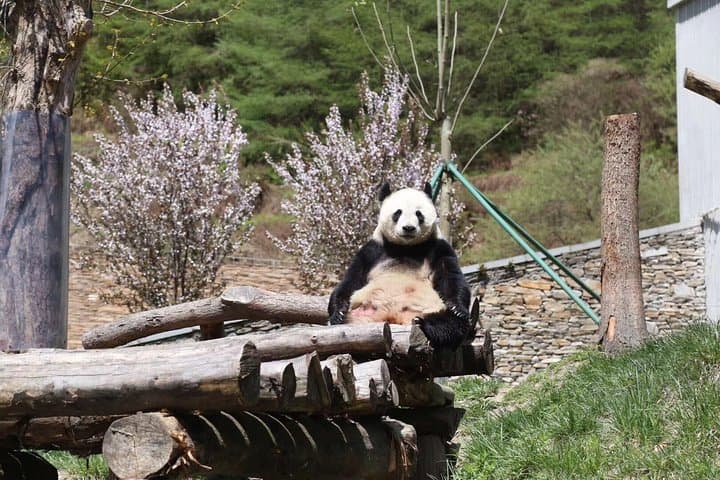
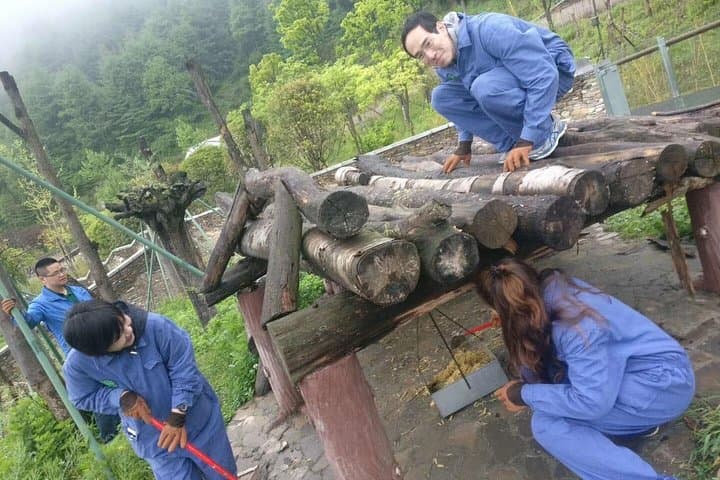
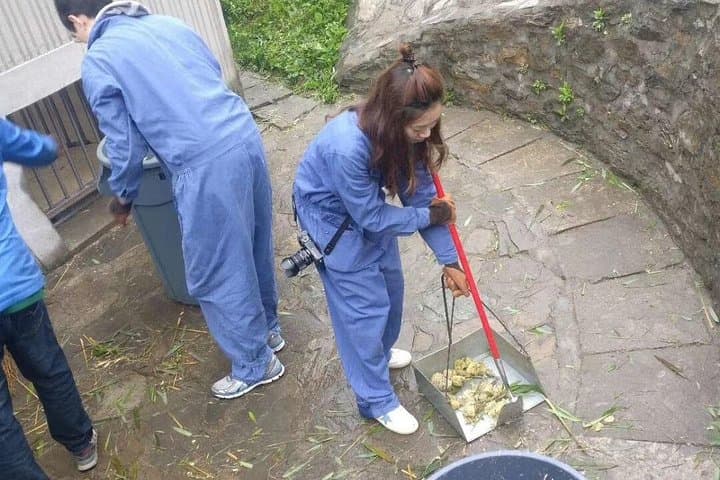
The volunteer portion is hands-on and educational: preparing bamboo and enrichment, cleaning compounds, and observing panda behavior under staff supervision. It’s not glamorous work, but it’s intimate; pandas move with surprising deliberation and keepers talk science and welfare, often through a translator.
After lunch the route climbs toward Mount Qingcheng, a Taoist mountain with shaded trails, stone stairways and small temples tucked into mossy rock. Geology here is older sedimentary foothills carved by ancient rivers and the engineering legacy of the Dujiangyan irrigation system lies downstream — a 2,000-plus-year-old feat that still shapes local agriculture.
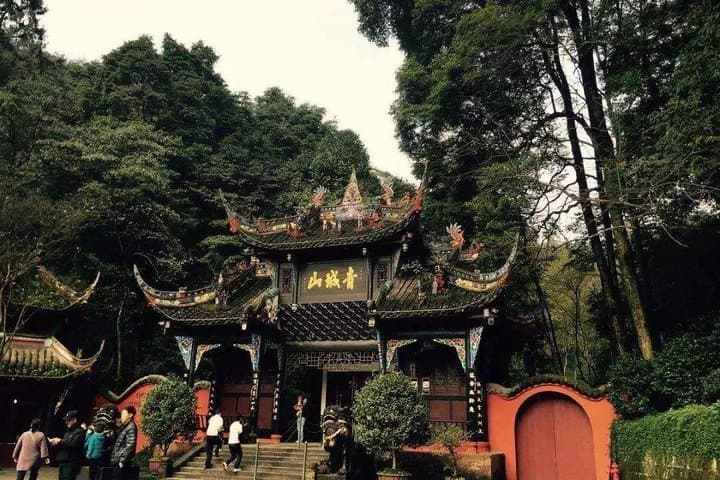
Expect cool microclimates on the mountain, a steady mix of paved steps and dirt trails, and cultural sites such as Shangqing Palace and Tianshi Cave. The day is self-guided: the driver handles logistics while you set the pace.
Practical: plan for an 8‑hour day, bring sturdy shoes, water and a lightweight rain layer. Respect staff directions at the panda facility, avoid flash photography when requested, and carry cash or Alipay for small purchases. The trip combines close-up conservation work with contemplative mountain walking — a compact, tangible slice of Sichuan’s natural and cultural landscape.
moderate.
8 hours.
Moderate fitness—comfortable walking, stair climbing and standing for volunteer tasks; able to handle an 8‑hour day.
Interaction is supervised and limited—tasks focus on husbandry and observations; direct contact is controlled by staff for safety and welfare.
This is self-guided: a private driver handles transport but there’s no dedicated guide; Dujiangyan Panda Base provides English-speaking staff during the volunteer session.
Admission to the research base and Mount Qingcheng is typically separate—confirm with the operator; the tour includes the private car and driver only.
Panda Base staff can speak English; drivers may not, but they use translation apps and the operator provides English support post-booking.
Dujiangyan city sits beside an ancient irrigation system built in 256 BCE that transformed Sichuan’s plains; Mount Qingcheng is a seminal site in Taoist history with temples dating back centuries.
The volunteer program supports on-site husbandry and behavioral research—follow staff guidance, avoid disturbing animals, and minimize single-use plastics to reduce your footprint.
happychinatours operates guided outdoor trips and adventures with an emphasis on safety, stewardship, and memorable experiences.
You step into Sichuan light before dawn: the city skyline slips away and the road threads through rice paddies as your driver steers toward Dujiangyan. By mid-morning the air takes on green notes — bamboo and damp earth — and the research center’s enclosures come into view, where keepers brief you and hand over simple tools.
You step into Sichuan light before dawn: the city skyline slips away and the road threads through rice paddies as your driver steers toward Dujiangyan. By mid-morning the air takes on green notes — bamboo and damp earth — and the research center’s enclosures come into view, where keepers brief you and hand over simple tools.
The volunteer portion is hands-on and educational: preparing bamboo and enrichment, cleaning compounds, and observing panda behavior under staff supervision. It’s not glamorous work, but it’s intimate; pandas move with surprising deliberation and keepers talk science and welfare, often through a translator.
After lunch the route climbs toward Mount Qingcheng, a Taoist mountain with shaded trails, stone stairways and small temples tucked into mossy rock. Geology here is older sedimentary foothills carved by ancient rivers and the engineering legacy of the Dujiangyan irrigation system lies downstream — a 2,000-plus-year-old feat that still shapes local agriculture.
Expect cool microclimates on the mountain, a steady mix of paved steps and dirt trails, and cultural sites such as Shangqing Palace and Tianshi Cave. The day is self-guided: the driver handles logistics while you set the pace.
Practical: plan for an 8‑hour day, bring sturdy shoes, water and a lightweight rain layer. Respect staff directions at the panda facility, avoid flash photography when requested, and carry cash or Alipay for small purchases. The trip combines close-up conservation work with contemplative mountain walking — a compact, tangible slice of Sichuan’s natural and cultural landscape.