THE ADVENTURE COLLECTIVE® · Independent discovery and booking for outdoor travel

Spend two concentrated hours in Panda Valley outside Dujiangyan, where small crowds, semi-wild training enclosures, and approachable red pandas create an intimate wildlife encounter. This short, managed visit is ideal for travelers seeking close observation without a full-day commitment.
Spend two concentrated hours in Panda Valley outside Dujiangyan, where small crowds, semi-wild training enclosures, and approachable red pandas create an intimate wildlife encounter. This short, managed visit is ideal for travelers seeking close observation without a full-day commitment.
Morning light filters through bamboo and chestnut trees as visitors step into Panda Valley, a compact conservation site on the lower slopes outside Dujiangyan. The air smells faintly of wet earth; the path is soft underfoot and the animals move with deliberate curiosity — red pandas often meander close to the viewing trail while giant pandas rest or amble in semi-wild enclosures.
Verified experiences and guided adventures in the surrounding area.
Operated by tripApanda · Dujiangyan, Sichuan
Morning light filters through bamboo and chestnut trees as visitors step into Panda Valley, a compact conservation site on the lower slopes outside Dujiangyan. The air smells faintly of wet earth; the path is soft underfoot and the animals move with deliberate curiosity — red pandas often meander close to the viewing trail while giant pandas rest or amble in semi-wild enclosures.
The base sits in the foothills of the Qionglai range, within the Sichuan bioregion that has harbored wild pandas for millennia. Dujiangyan itself is best known for its ancient irrigation system, a reminder that people here have long shaped water and land for farming and wildlife coexistence. The panda program at Panda Valley focuses on semi-wild training and minimal-tourism encounters — roughly ten giant pandas live in the valley, supplemented by facilities designed to reduce stress and encourage natural behaviors.
Expect a short, managed visit: about two hours total with roughly an hour inside the valley. Terrain is easy walking on compact paths; the experience emphasizes observation over interaction — keep to marked routes and follow staff instructions. Photography is allowed but avoid flash and loud noises; red pandas may cross the path and offer close-up views if you move slowly.
Practical tips: go early for cooler light and higher activity, bring a waterproof layer in summer, and allow 60–90 minutes travel from central Chengdu depending on traffic. The visit supports captive-breeding and rewilding work — respect the animals and leave no trace.
easy.
2 hours.
Suitable for all fitness levels — primarily short, gentle walking on maintained paths
The tour runs about two hours total, with roughly 60–80 minutes inside Panda Valley for observation.
No — interaction is limited to protect animal health; follow staff guidance and don’t feed animals.
Paths are generally stroller-accessible and the site is described as physically easy, but uneven sections may exist; check with the operator for specific accommodations.
Travel time from central Chengdu is typically 60–90 minutes by car depending on traffic; the experience usually includes comfortable van transport options.
The area sits within the cultural landscape shaped by the Dujiangyan Irrigation System and the Qionglai foothills, a long-standing panda habitat and agricultural zone.
The base focuses on semi-wild training and breeding programs aimed at reintroduction and public education; visitors are asked to minimize disturbance and follow site rules to support conservation.
tripApanda operates guided outdoor trips and adventures with an emphasis on safety, stewardship, and memorable experiences.
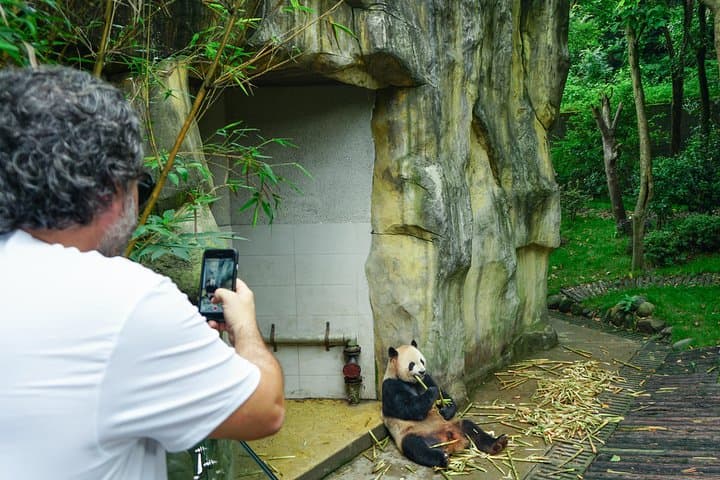
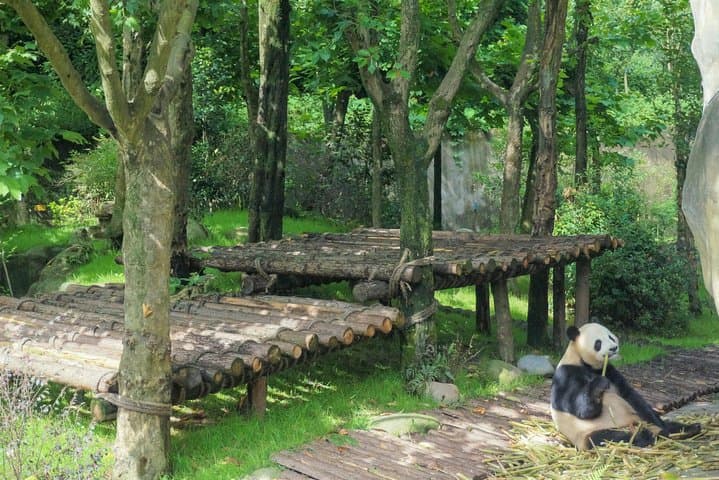
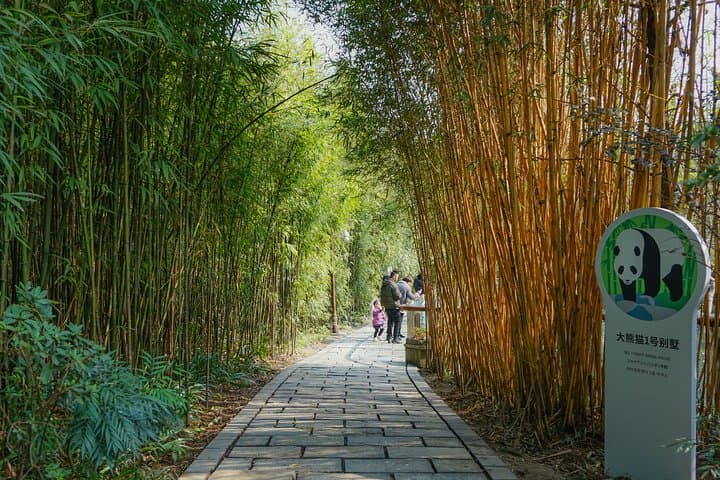
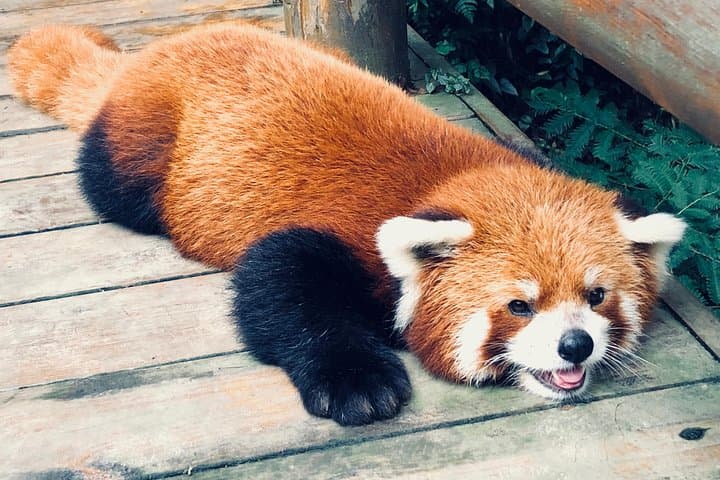
Morning light filters through bamboo and chestnut trees as visitors step into Panda Valley, a compact conservation site on the lower slopes outside Dujiangyan. The air smells faintly of wet earth; the path is soft underfoot and the animals move with deliberate curiosity — red pandas often meander close to the viewing trail while giant pandas rest or amble in semi-wild enclosures.
Morning light filters through bamboo and chestnut trees as visitors step into Panda Valley, a compact conservation site on the lower slopes outside Dujiangyan. The air smells faintly of wet earth; the path is soft underfoot and the animals move with deliberate curiosity — red pandas often meander close to the viewing trail while giant pandas rest or amble in semi-wild enclosures.
The base sits in the foothills of the Qionglai range, within the Sichuan bioregion that has harbored wild pandas for millennia. Dujiangyan itself is best known for its ancient irrigation system, a reminder that people here have long shaped water and land for farming and wildlife coexistence. The panda program at Panda Valley focuses on semi-wild training and minimal-tourism encounters — roughly ten giant pandas live in the valley, supplemented by facilities designed to reduce stress and encourage natural behaviors.
Expect a short, managed visit: about two hours total with roughly an hour inside the valley. Terrain is easy walking on compact paths; the experience emphasizes observation over interaction — keep to marked routes and follow staff instructions. Photography is allowed but avoid flash and loud noises; red pandas may cross the path and offer close-up views if you move slowly.
Practical tips: go early for cooler light and higher activity, bring a waterproof layer in summer, and allow 60–90 minutes travel from central Chengdu depending on traffic. The visit supports captive-breeding and rewilding work — respect the animals and leave no trace.