THE ADVENTURE COLLECTIVE® · Independent discovery and booking for outdoor travel

Spend a tranquil day outside Chengdu observing giant pandas at Dujiangyan Panda Park, then step into a supervised red panda habitat for hand-feeding and photos. This private, six-hour tour combines close wildlife encounters with insights into regional conservation and history.
Spend a tranquil day outside Chengdu observing giant pandas at Dujiangyan Panda Park, then step into a supervised red panda habitat for hand-feeding and photos. This private, six-hour tour combines close wildlife encounters with insights into regional conservation and history.
A pre-dawn car eases out of Chengdu and the road slips past rice paddies toward the foothills; by 7:30 a.m. your private driver-guide is already steering you into the cool, bamboo-fringed lanes of Dujiangyan Panda Park. Morning light favors panda activity—you’ll watch giants chew bamboo, shoulder through leafy stems and climb low trunks in a setting quieter than the main Chengdu base.
Verified experiences and guided adventures in the surrounding area.
Operated by Real North Adventure · Dujiangyan, Sichuan
A pre-dawn car eases out of Chengdu and the road slips past rice paddies toward the foothills; by 7:30 a.m. your private driver-guide is already steering you into the cool, bamboo-fringed lanes of Dujiangyan Panda Park. Morning light favors panda activity—you’ll watch giants chew bamboo, shoulder through leafy stems and climb low trunks in a setting quieter than the main Chengdu base.
The park sits in a landscape shaped by the Min River and the ancient Dujiangyan irrigation system, an engineering feat from the 3rd century BCE that tamed seasonal floods and helped the region become Sichuan’s agricultural heartland. Pandas here are part of modern conservation efforts that pair captive breeding with habitat research; red pandas, smaller and arboreal, showcase a different branch of the area’s biodiversity.
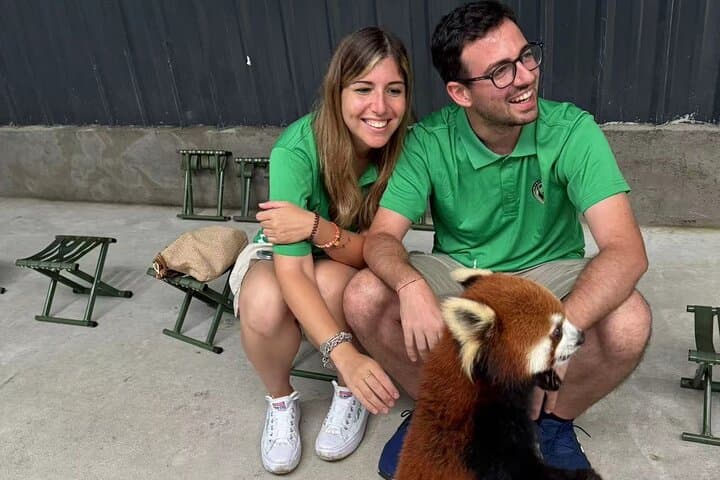
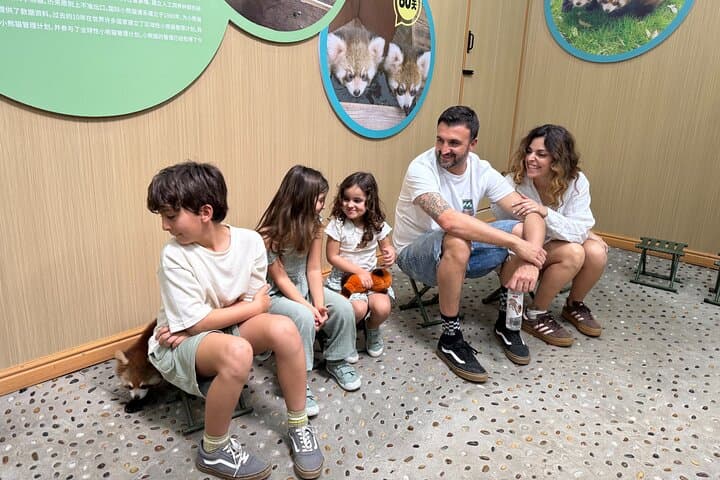
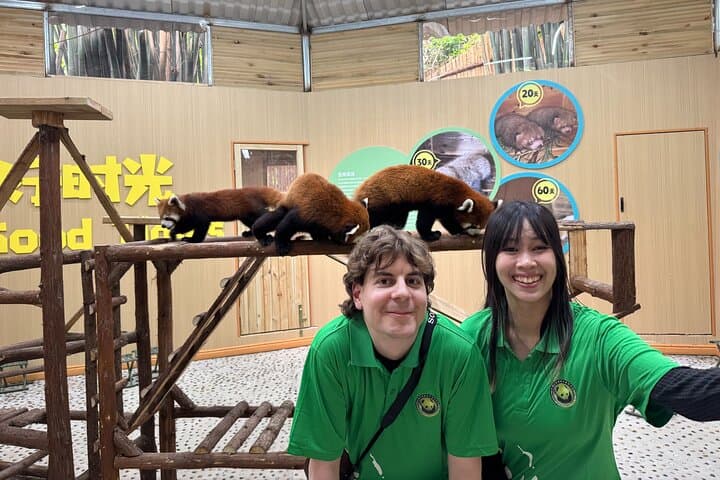
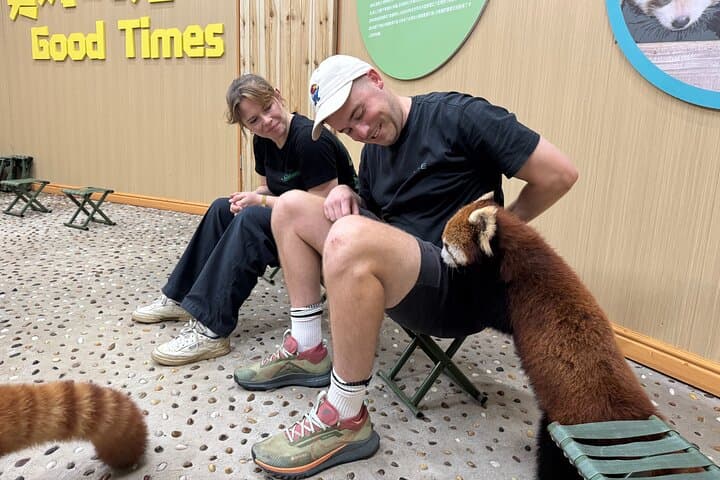
After a three-hour morning session with the giants, enjoy a local lunch before stepping into the red panda habitat. In a supervised setting you can hand-feed apple sticks, photograph their curious faces and watch them balance along branches—close encounters designed to teach visitors about diet, behavior and ongoing protection measures.
Practical side: expect gentle walking on packed paths and short stair sections; bring a compact rain jacket, non-slip shoes, water and a camera with a quiet shutter. Respect handlers’ directions—no sudden movements, no flash photography—and follow hygiene protocols to protect the animals. The day’s rhythm is deliberate: early start, focused observation, and a late-afternoon return to Chengdu, leaving you with both memories and a clearer sense of local conservation work.
easy.
6 hours.
Light fitness: standing and short walks on mostly flat paths; suitable for most travelers
The tour runs about six hours: a morning three-hour session with giant pandas, a local lunch, then a two-hour red panda encounter in the afternoon, with pickup around 7:30 a.m.
Feeding is allowed only for red pandas with approved apple sticks under supervision; giant panda feeding by visitors is not permitted to protect their diet and health.
Yes—activity is low-impact, though guests with spinal, cardiovascular concerns or pregnancy should avoid close-animal interactions per provider guidance.
Yes—guides and handlers explain diet, behavior and local conservation programs during both the giant and red panda visits.
The Dujiangyan irrigation system, constructed in the 3rd century BCE, transformed the Min River basin and enabled the agricultural surplus that shaped Sichuan culture; modern conservation sites here continue that legacy by protecting native species.
The park balances captive care with research and education; visitors help by following hygiene rules, not feeding unapproved foods and supporting designated donation or education programs.
Real North Adventure operates guided outdoor trips and adventures with an emphasis on safety, stewardship, and memorable experiences.
A pre-dawn car eases out of Chengdu and the road slips past rice paddies toward the foothills; by 7:30 a.m. your private driver-guide is already steering you into the cool, bamboo-fringed lanes of Dujiangyan Panda Park. Morning light favors panda activity—you’ll watch giants chew bamboo, shoulder through leafy stems and climb low trunks in a setting quieter than the main Chengdu base.
A pre-dawn car eases out of Chengdu and the road slips past rice paddies toward the foothills; by 7:30 a.m. your private driver-guide is already steering you into the cool, bamboo-fringed lanes of Dujiangyan Panda Park. Morning light favors panda activity—you’ll watch giants chew bamboo, shoulder through leafy stems and climb low trunks in a setting quieter than the main Chengdu base.
The park sits in a landscape shaped by the Min River and the ancient Dujiangyan irrigation system, an engineering feat from the 3rd century BCE that tamed seasonal floods and helped the region become Sichuan’s agricultural heartland. Pandas here are part of modern conservation efforts that pair captive breeding with habitat research; red pandas, smaller and arboreal, showcase a different branch of the area’s biodiversity.
After a three-hour morning session with the giants, enjoy a local lunch before stepping into the red panda habitat. In a supervised setting you can hand-feed apple sticks, photograph their curious faces and watch them balance along branches—close encounters designed to teach visitors about diet, behavior and ongoing protection measures.
Practical side: expect gentle walking on packed paths and short stair sections; bring a compact rain jacket, non-slip shoes, water and a camera with a quiet shutter. Respect handlers’ directions—no sudden movements, no flash photography—and follow hygiene protocols to protect the animals. The day’s rhythm is deliberate: early start, focused observation, and a late-afternoon return to Chengdu, leaving you with both memories and a clearer sense of local conservation work.