THE ADVENTURE COLLECTIVE® · Independent discovery and booking for outdoor travel

Combine panda encounters with one of China’s oldest hydraulic feats on a full-day trip from Chengdu. This tour pairs wildlife viewing at Dujiangyan Giant Panda Park with a guided walk through the ancient Dujiangyan Irrigation System and cultural stops like Zhongshuge bookstore.
Combine panda encounters with one of China’s oldest hydraulic feats on a full-day trip from Chengdu. This tour pairs wildlife viewing at Dujiangyan Giant Panda Park with a guided walk through the ancient Dujiangyan Irrigation System and cultural stops like Zhongshuge bookstore.
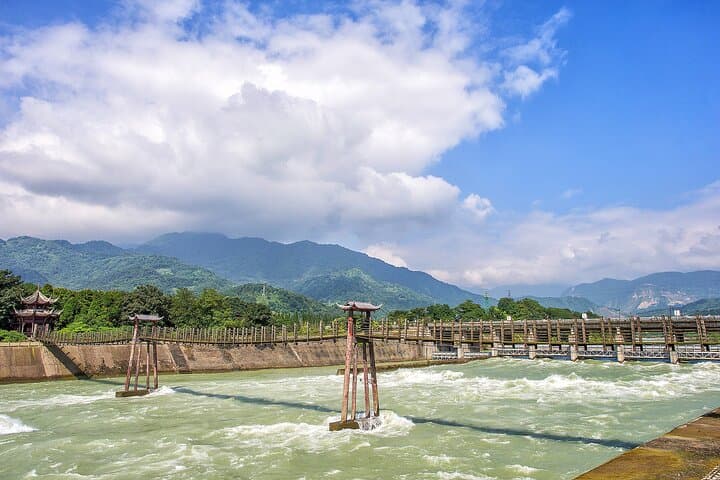
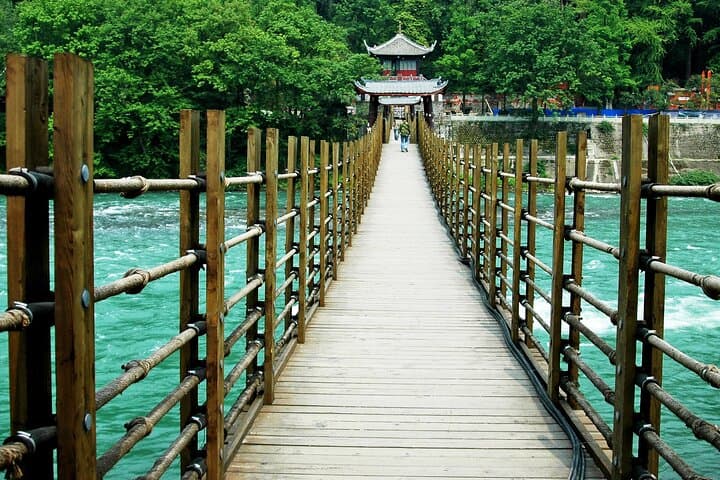
You step off the van beside the Min River and the sound of water takes the lead — a low, constant push that has shaped this valley for two millennia.
Verified experiences and guided adventures in the surrounding area.
Operated by NewPanda Trip · Dujiangyan, Sichuan
You step off the van beside the Min River and the sound of water takes the lead — a low, constant push that has shaped this valley for two millennia.
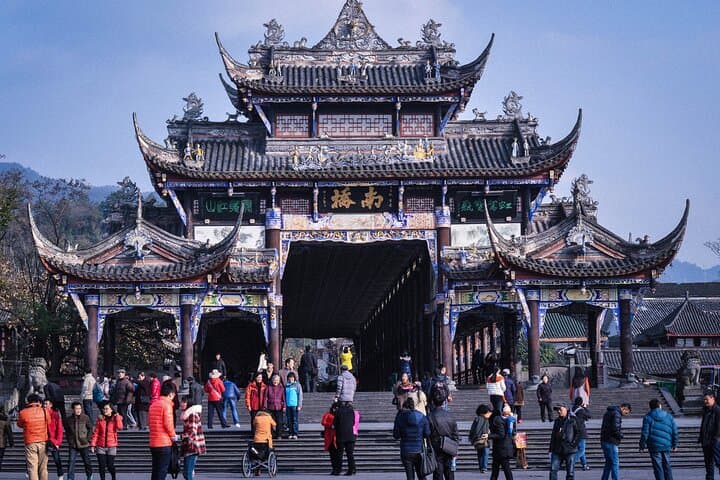
The day moves from the intimate (pandas lazing and crunching bamboo at Dujiangyan Giant Panda Park) to the monumental (the ancient Dujiangyan Irrigation System’s Fish Mouth levee and Baopingkou outlet). Zhongshuge bookstore and Yangtianwo Square add modern cultural notes: mirrored shelves, a bold panda statue and quick photo-ops between sites.
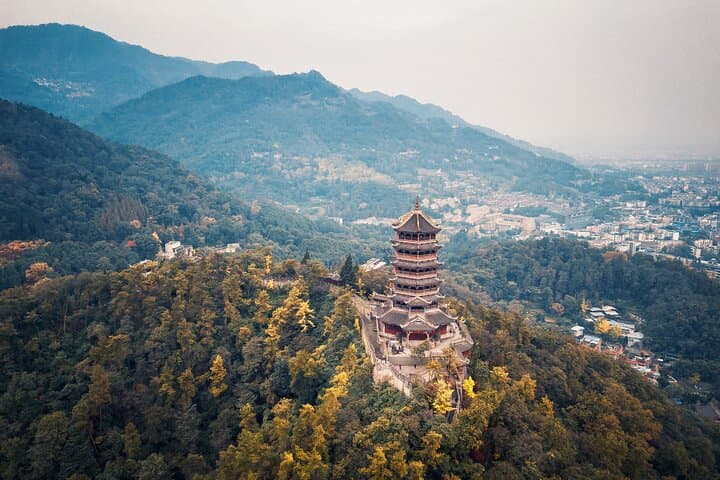
The irrigation system itself is as much geology as engineering. Constructed in 256 BCE, its stone channels and weirs divert the Min River without dams, splitting flows to control flood and irrigation — a living example of early hydrological design. Qingcheng Mountain’s foothills give context: Sichuan’s folded, river-carved terrain that made water control both necessary and ingenious.
Expect paved paths, short stair sections, and periods of standing while guides explain features; the panda park has sheltered viewing areas and shaded paths. The tour’s rhythm is deliberate: animal viewing, a Sichuan lunch near Qingcheng, a cultural stop at Zhongshuge, then archival engineering along the riverside.
Practical notes: arrive with layers for variable river breezes, carry water and small bills for snacks, and bring a camera with a mid-range zoom for panda shots. Morning arrivals at the panda park usually offer the most activity. The itinerary is low-impact physically but rich in sights — ideal for travelers who want nature, culture, and human ingenuity in a single, full day out of Chengdu.
easy.
10 hours.
Suitable for most fitness levels; involves short walks, some stairs, and standing during explanations
Yes — pickup and drop-off in downtown Chengdu are included as part of the private tour service.
Feeding schedules vary; mornings are best for active behavior, but feeding presentations are not guaranteed or controlled by the tour.
Expect several short walks (under 2 km each) with some stairs at viewpoints; the day is classified as easy with regular rest stops.
Yes — the tour includes Sichuan lunch near Qingcheng and admission to Dujiangyan Giant Panda Park and the irrigation scenic area.
Dujiangyan was built in 256 BCE by engineer Li Bing and his son to control flooding and irrigate the Chengdu Plain; it remains an operational water-management system.
The panda base focuses on captive breeding and habitat research while Dujiangyan’s management balances tourism with river ecology protections and erosion control measures.
NewPanda Trip operates guided outdoor trips and adventures with an emphasis on safety, stewardship, and memorable experiences.
You step off the van beside the Min River and the sound of water takes the lead — a low, constant push that has shaped this valley for two millennia.
You step off the van beside the Min River and the sound of water takes the lead — a low, constant push that has shaped this valley for two millennia.
The day moves from the intimate (pandas lazing and crunching bamboo at Dujiangyan Giant Panda Park) to the monumental (the ancient Dujiangyan Irrigation System’s Fish Mouth levee and Baopingkou outlet). Zhongshuge bookstore and Yangtianwo Square add modern cultural notes: mirrored shelves, a bold panda statue and quick photo-ops between sites.
The irrigation system itself is as much geology as engineering. Constructed in 256 BCE, its stone channels and weirs divert the Min River without dams, splitting flows to control flood and irrigation — a living example of early hydrological design. Qingcheng Mountain’s foothills give context: Sichuan’s folded, river-carved terrain that made water control both necessary and ingenious.
Expect paved paths, short stair sections, and periods of standing while guides explain features; the panda park has sheltered viewing areas and shaded paths. The tour’s rhythm is deliberate: animal viewing, a Sichuan lunch near Qingcheng, a cultural stop at Zhongshuge, then archival engineering along the riverside.
Practical notes: arrive with layers for variable river breezes, carry water and small bills for snacks, and bring a camera with a mid-range zoom for panda shots. Morning arrivals at the panda park usually offer the most activity. The itinerary is low-impact physically but rich in sights — ideal for travelers who want nature, culture, and human ingenuity in a single, full day out of Chengdu.