THE ADVENTURE COLLECTIVE® · Independent discovery and booking for outdoor travel

Walk where water was first engineered to feed a plain, then climb into the calm of Qingcheng’s Taoist slopes. This private day tour pairs the Dujiangyan irrigation system’s ancient mechanics with forested hikes and temple culture.
Walk where water was first engineered to feed a plain, then climb into the calm of Qingcheng’s Taoist slopes. This private day tour pairs the Dujiangyan irrigation system’s ancient mechanics with forested hikes and temple culture.
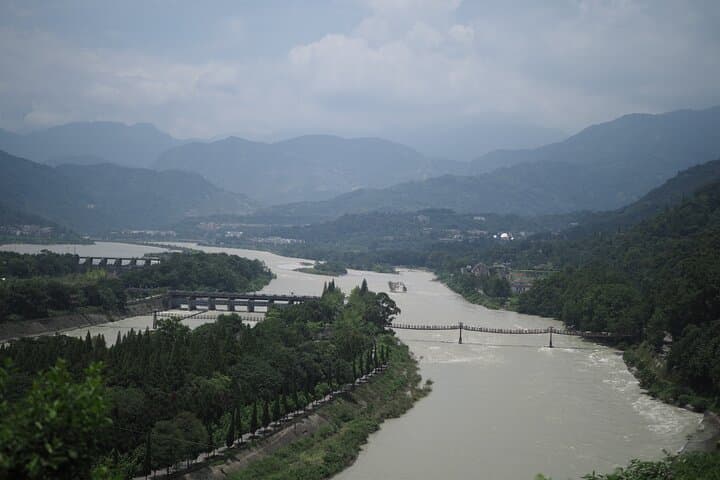
Mist lifts off the Min River and you can almost hear water negotiating the landscape — that’s the first impression at Dujiangyan. This one-day private tour threads two contrasting chapters: the 2,300-year-old irrigation works that still tame the Min, and Mount Qingcheng’s shaded Taoist trails that rise behind it.
Verified experiences and guided adventures in the surrounding area.
Operated by Chengdu kungfu Class · Dujiangyan, Sichuan
Mist lifts off the Min River and you can almost hear water negotiating the landscape — that’s the first impression at Dujiangyan. This one-day private tour threads two contrasting chapters: the 2,300-year-old irrigation works that still tame the Min, and Mount Qingcheng’s shaded Taoist trails that rise behind it.
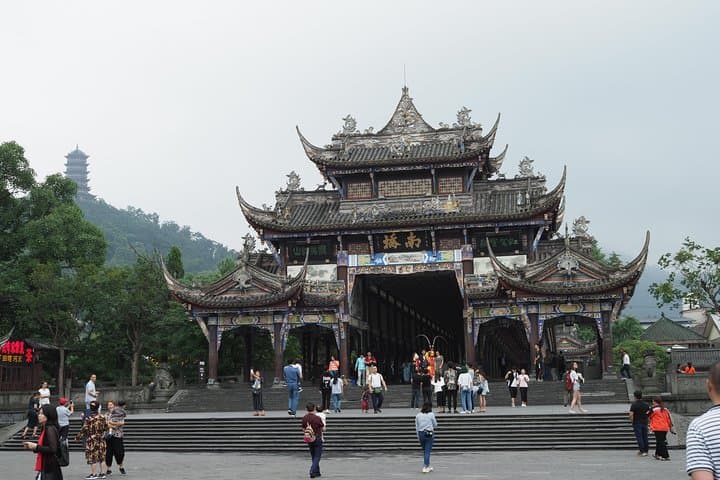
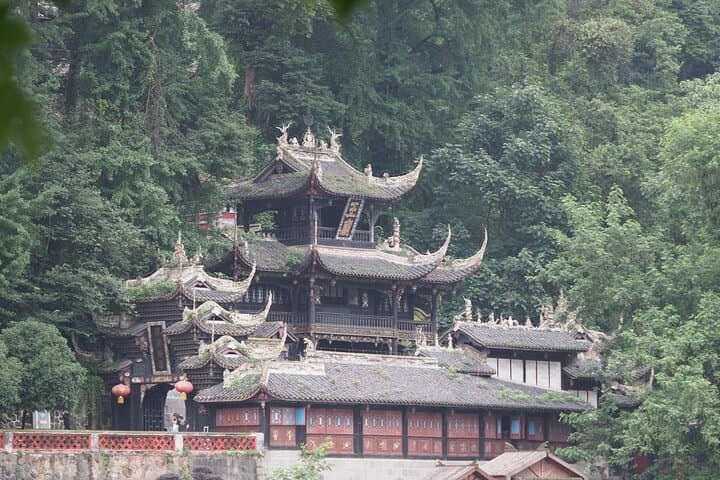
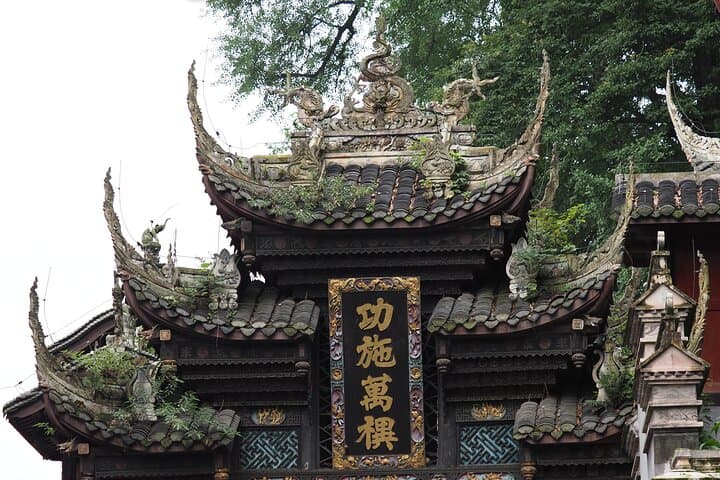
Dujiangyan’s Fish Mouth Dam, Flying Sand Spillway and Bottle-Neck Channel are practical poetry in stone and earth. Built in 256 BC under engineer Li Bing, the system redirected flows without a conventional dam, turning the Chengdu Plain into fertile farmland. A short drive brings you to Qingcheng, a forested peak long associated with early Taoism; its granite slopes and cedar stands harbor ancient temples, mossed stairways and quieter backcountry routes.
Geology here is straightforward: river-carved plains giving way to the low, rounded ridges of the Sichuan Basin’s fringe. Culture is equally tangible — silent courtyards, incense-smoky altars and local tea houses where pilgrims once rested. Expect a mix of paved viewing platforms, stone staircases and easy-to-moderate hiking on dirt or stone steps; the tour typically runs about nine hours with guided stops and a local lunch.
Practical edge: bring sturdy walking shoes, sun protection and layers for sudden shade-to-sun transitions. Midday can be hot and crowds concentrate at Dujiangyan’s main viewpoints, so earlier or later visits feel fresher. Respect temple etiquette and stay on marked trails — the site is UNESCO-protected and erosion-sensitive. This day pairs history, hydrology and a quiet slice of mountain forest in a compact, accessible package.
moderate.
9 hours.
Suitable for people who can handle a few hours of walking on uneven stone steps and trails; basic cardiovascular fitness recommended.
The private tour runs about nine hours and typically includes entrance fees, an air-conditioned vehicle, bottled water and lunch at a local restaurant; confirm specifics with the operator.
Sites are largely accessible for most visitors but Qingcheng has uneven steps—people with limited mobility should consult the operator about route adjustments; Dujiangyan viewing areas have accessible sections.
A guide adds historical, cultural and engineering context that enriches both Dujiangyan and Qingcheng visits; independent exploration is possible but you may miss key interpretations.
Yes—restroom facilities and a staffed lunch at a local restaurant are typically included; carry small change for extra snacks or tea.
Dujiangyan was engineered in 256 BC by Li Bing and his son; Mount Qingcheng is an early center of Taoist practice with temples dating back centuries.
Both sites are UNESCO-listed and managed to reduce erosion and visitor impact—stick to marked paths, avoid littering and support local conservation by using established facilities.
Chengdu kungfu Class operates guided outdoor trips and adventures with an emphasis on safety, stewardship, and memorable experiences.
Mist lifts off the Min River and you can almost hear water negotiating the landscape — that’s the first impression at Dujiangyan. This one-day private tour threads two contrasting chapters: the 2,300-year-old irrigation works that still tame the Min, and Mount Qingcheng’s shaded Taoist trails that rise behind it.
Mist lifts off the Min River and you can almost hear water negotiating the landscape — that’s the first impression at Dujiangyan. This one-day private tour threads two contrasting chapters: the 2,300-year-old irrigation works that still tame the Min, and Mount Qingcheng’s shaded Taoist trails that rise behind it.
Dujiangyan’s Fish Mouth Dam, Flying Sand Spillway and Bottle-Neck Channel are practical poetry in stone and earth. Built in 256 BC under engineer Li Bing, the system redirected flows without a conventional dam, turning the Chengdu Plain into fertile farmland. A short drive brings you to Qingcheng, a forested peak long associated with early Taoism; its granite slopes and cedar stands harbor ancient temples, mossed stairways and quieter backcountry routes.
Geology here is straightforward: river-carved plains giving way to the low, rounded ridges of the Sichuan Basin’s fringe. Culture is equally tangible — silent courtyards, incense-smoky altars and local tea houses where pilgrims once rested. Expect a mix of paved viewing platforms, stone staircases and easy-to-moderate hiking on dirt or stone steps; the tour typically runs about nine hours with guided stops and a local lunch.
Practical edge: bring sturdy walking shoes, sun protection and layers for sudden shade-to-sun transitions. Midday can be hot and crowds concentrate at Dujiangyan’s main viewpoints, so earlier or later visits feel fresher. Respect temple etiquette and stay on marked trails — the site is UNESCO-protected and erosion-sensitive. This day pairs history, hydrology and a quiet slice of mountain forest in a compact, accessible package.