THE ADVENTURE COLLECTIVE® · Independent discovery and booking for outdoor travel

A full-day private tour that pairs the ancient Dujiangyan irrigation marvel with the forested Taoist shrines of Mount Qingcheng. Walk temple paths, ride a cable car to Shangqing Palace, and learn how 3rd-century engineering still shapes the Sichuan plain.
A full-day private tour that pairs the ancient Dujiangyan irrigation marvel with the forested Taoist shrines of Mount Qingcheng. Walk temple paths, ride a cable car to Shangqing Palace, and learn how 3rd-century engineering still shapes the Sichuan plain.
You step off the air-conditioned van into a patchwork of mist and stone: pine-shaded steps climb toward temple roofs, while downstream the Minjiang River hurries through masonry shaped two millennia ago. The day moves between the engineered intelligence of Dujiangyan—its fish-mouth levee and bottle-neck channel still steering floodwaters—and the cool, incense-scented courtyards of Mount Qingcheng, where Taoist halls sit under old gingko and cedar.
Verified experiences and guided adventures in the surrounding area.
Operated by Discovery more · Dujiangyan, Sichuan
You step off the air-conditioned van into a patchwork of mist and stone: pine-shaded steps climb toward temple roofs, while downstream the Minjiang River hurries through masonry shaped two millennia ago. The day moves between the engineered intelligence of Dujiangyan—its fish-mouth levee and bottle-neck channel still steering floodwaters—and the cool, incense-scented courtyards of Mount Qingcheng, where Taoist halls sit under old gingko and cedar.
Dujiangyan dates to the 3rd century BC, a hydraulic project by Li Bing that redirected the Minjiang without a dam and made Sichuan’s basin arable. Qingcheng’s wooded slopes became a center of Taoist practice through the Jin and Tang dynasties; its temples and pavilions reflect centuries of religious architecture and meditation culture. Geologically the area sits on Sichuan’s folded basin edge, where river-cut terraces reveal layers of silt and alluvium that give the valley its fertility.
Expect forest paths, stone stairways, and a short cable-car ride that saves time on the steeper ascent to Shangqing Palace. You’ll pass Anlan Suspension Bridge for classic views of the irrigation works, and may see local practitioners doing Tai Chi beside quiet ponds. Guides often combine history with practical demonstrations—how the fish-mouth weir splits flow, or how Taoist breathing connects to martial forms.
Practical tips: plan a full day (5–8 hours), wear grippy shoes for uneven stone, bring water and a light layer for changing mountain weather, and carry small local currency for cable car or temple donations. Midweek mornings are quieter for photography and quieter temple visits.
moderate.
5–8 hours.
Suitable for travelers in average fitness who can handle stairs and uneven terrain for several hours.
Most organized tours don’t include entrance tickets or optional cable-car fees; confirm with your operator and bring cash or card for on-site purchases.
Expect several kilometers of walking with stair sections and short climbs—overall elevation gain is moderate, though temple complexes can require uphill walks.
Yes, the tour is generally family-friendly; guests with mobility limits should request easier routing or use the cable car/electric carts where available.
Some guides arrange Tai Chi or basic kung fu sessions near temple grounds—ask when booking if you want a hands-on cultural experience.
Dujiangyan’s irrigation system was built in the 3rd century BC by engineer Li Bing and remains a UNESCO World Heritage Site; Mount Qingcheng has been a Taoist center since early imperial China.
Both sites are protected UNESCO properties—stay on paths, avoid feeding wildlife, and carry out trash; water management at Dujiangyan is still studied for sustainable engineering.
Discovery more operates guided outdoor trips and adventures with an emphasis on safety, stewardship, and memorable experiences.
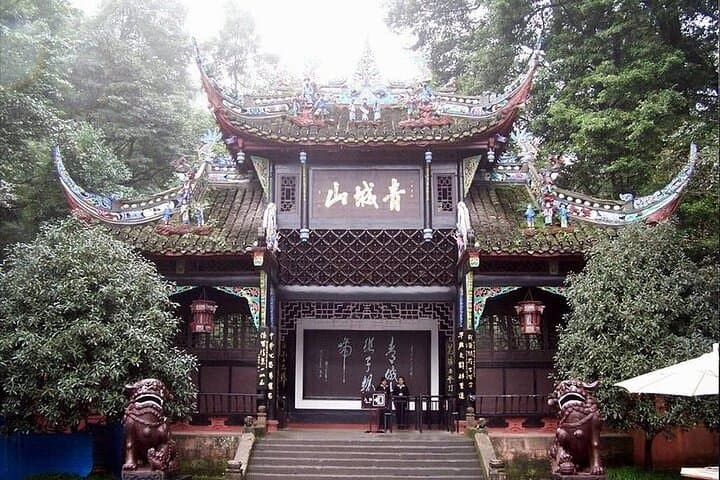
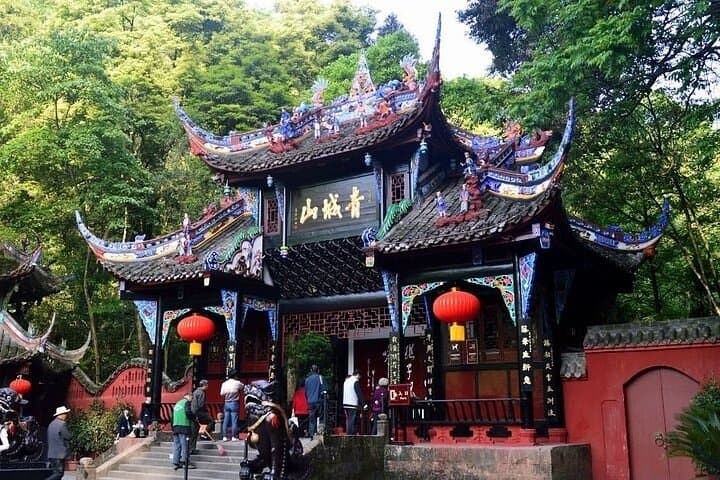
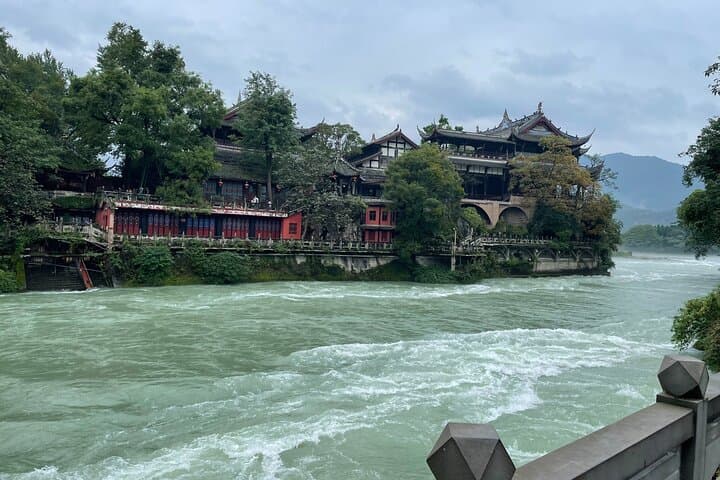
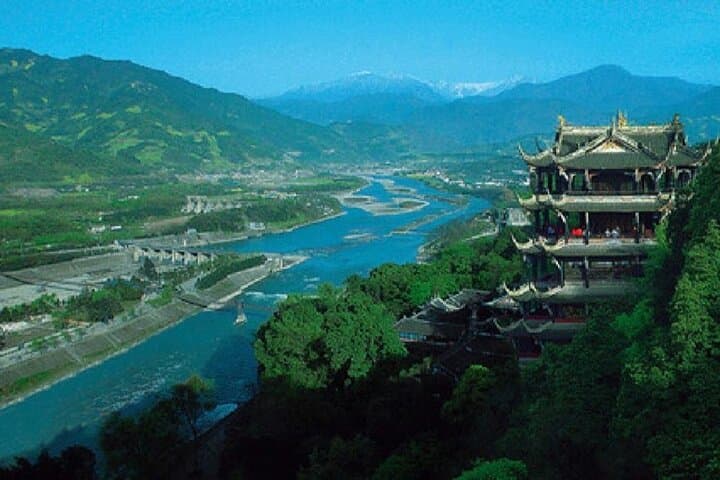
You step off the air-conditioned van into a patchwork of mist and stone: pine-shaded steps climb toward temple roofs, while downstream the Minjiang River hurries through masonry shaped two millennia ago. The day moves between the engineered intelligence of Dujiangyan—its fish-mouth levee and bottle-neck channel still steering floodwaters—and the cool, incense-scented courtyards of Mount Qingcheng, where Taoist halls sit under old gingko and cedar.
You step off the air-conditioned van into a patchwork of mist and stone: pine-shaded steps climb toward temple roofs, while downstream the Minjiang River hurries through masonry shaped two millennia ago. The day moves between the engineered intelligence of Dujiangyan—its fish-mouth levee and bottle-neck channel still steering floodwaters—and the cool, incense-scented courtyards of Mount Qingcheng, where Taoist halls sit under old gingko and cedar.
Dujiangyan dates to the 3rd century BC, a hydraulic project by Li Bing that redirected the Minjiang without a dam and made Sichuan’s basin arable. Qingcheng’s wooded slopes became a center of Taoist practice through the Jin and Tang dynasties; its temples and pavilions reflect centuries of religious architecture and meditation culture. Geologically the area sits on Sichuan’s folded basin edge, where river-cut terraces reveal layers of silt and alluvium that give the valley its fertility.
Expect forest paths, stone stairways, and a short cable-car ride that saves time on the steeper ascent to Shangqing Palace. You’ll pass Anlan Suspension Bridge for classic views of the irrigation works, and may see local practitioners doing Tai Chi beside quiet ponds. Guides often combine history with practical demonstrations—how the fish-mouth weir splits flow, or how Taoist breathing connects to martial forms.
Practical tips: plan a full day (5–8 hours), wear grippy shoes for uneven stone, bring water and a light layer for changing mountain weather, and carry small local currency for cable car or temple donations. Midweek mornings are quieter for photography and quieter temple visits.