THE ADVENTURE COLLECTIVE® · Independent discovery and booking for outdoor travel

In a single day this tour takes you from rattling jeep tracks into Mollem’s forest to the thunder of Dudhsagar Falls and the fragrant calm of a spice plantation lunch. Expect 7–8 hours of dirt roads, viewpoints and culinary tradition—best outside the monsoon months.
In a single day this tour takes you from rattling jeep tracks into Mollem’s forest to the thunder of Dudhsagar Falls and the fragrant calm of a spice plantation lunch. Expect 7–8 hours of dirt roads, viewpoints and culinary tradition—best outside the monsoon months.
Morning arrives sticky and tuned to the whistle of a diesel jeep as the road leaves the coast and climbs into the green throat of Goa’s Western Ghats. You feel the air change—humidity gives way to cooler shade—before the first sound of water reaches you: a distant, relentless rush that grows into a roar.
Verified experiences and guided adventures in the surrounding area.
Operated by Crossmiles Travel Pvt. Ltd. · Mollem, Goa
Morning arrives sticky and tuned to the whistle of a diesel jeep as the road leaves the coast and climbs into the green throat of Goa’s Western Ghats. You feel the air change—humidity gives way to cooler shade—before the first sound of water reaches you: a distant, relentless rush that grows into a roar.
Dudhsagar—literally the “Sea of Milk”—drops in four tiers from roughly 310 metres, a white ribbon carving the Mandovi River through the Bhagwan Mahaveer Sanctuary and Mollem National Park. The fall’s geology is straightforward and dramatic: basalt cliffs sliced by water and time, riverine corridors smoothed by monsoon torrents. On this full-day outing you pair that raw geology with another regional force—the cultivated scent of spices. The tour stitches natural spectacle to human landscape: a jeep safari into the forest, followed by a slower, sensory walk through a working spice plantation where cardamom, black pepper and clove still grow in living rows.
History and culture arrive in small gestures. Mollem’s forests were once the transit route between coastal traders and inland kingdoms; today small plantation families keep traditional growing methods alive, welcoming visitors with aarti and herbal tea, and serving lunch on banana leaves. The ranger-protected sanctuary preserves endemic flora and fauna, and the fall sits on the Goa–Karnataka border, a place where ecosystems—and languages—blur.
Practicalities matter here. Expect a 7–8 hour day with early pickup (typically around 07:00). Travel includes jeep safari, entrance fees, and a buffet lunch at the plantation. The route is rough: unpaved stretches, muddy tracks after rain, and short, sometimes slippery walking near viewpoints. The falls are most powerful in the wet season, but note the operator suspends this tour June–September when monsoon access is restricted.
Prepare: sturdy shoes with grip, a light rain shell outside monsoon months, insect repellent, and a refillable water bottle. Carry photocopies of ID for park entry and expect basic facilities—picnic-style lunch and rustic toilets at plantation stops. If you have back problems or cardiovascular issues, this tour is not recommended; the jeep transfers include uneven terrain and brief hikes.
Timing is everything: aim for early morning light for photos and cooler temperatures, and book transfers through your hotel or port pickup in advance. For anyone who wants a compact introduction to Goa’s wild interior and agrarian traditions, this day tour stitches spectacle and story into a single, manageable adventure.
moderate.
7–8 hours.
Moderate fitness: you’ll manage short hikes, uneven jeep transfers, and walking at viewpoints.
Yes—children can join but infants must sit on an adult’s lap and the jeep ride includes rough terrain; assess tolerance for long days and noise.
Dry-season months (October–May) offer safe access and clear viewpoints; monsoon months close the tour (June–September) due to heavy rains.
By road it’s approximately 60 km from Panaji and about a 2–3 hour drive depending on traffic and road conditions.
Yes—a buffet lunch at the spice plantation is included, typically served on banana leaves with local preparations.
Yes—shore excursions are offered with port pickup on a shared basis (SIC) up to 15 people; confirm pickup details on booking.
Access usually involves short walks and viewpoints rather than technical climbs; near the falls can be slippery and uneven, so good footwear is essential.
Dudhsagar sits on an old transit corridor between coast and interior; nearby plantations reflect centuries of spice commerce that shaped Goa’s agrarian culture.
The falls lie inside Bhagwan Mahaveer Sanctuary and Mollem NP—follow park rules, avoid litter, and respect restricted monsoon closures to protect fragile habitats.
Crossmiles Travel Pvt. Ltd. operates guided outdoor trips and adventures with an emphasis on safety, stewardship, and memorable experiences.

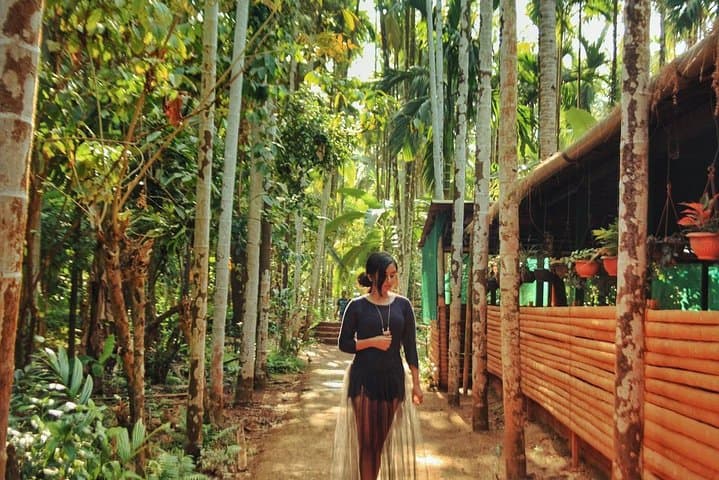

Morning arrives sticky and tuned to the whistle of a diesel jeep as the road leaves the coast and climbs into the green throat of Goa’s Western Ghats. You feel the air change—humidity gives way to cooler shade—before the first sound of water reaches you: a distant, relentless rush that grows into a roar.
Morning arrives sticky and tuned to the whistle of a diesel jeep as the road leaves the coast and climbs into the green throat of Goa’s Western Ghats. You feel the air change—humidity gives way to cooler shade—before the first sound of water reaches you: a distant, relentless rush that grows into a roar.
Dudhsagar—literally the “Sea of Milk”—drops in four tiers from roughly 310 metres, a white ribbon carving the Mandovi River through the Bhagwan Mahaveer Sanctuary and Mollem National Park. The fall’s geology is straightforward and dramatic: basalt cliffs sliced by water and time, riverine corridors smoothed by monsoon torrents. On this full-day outing you pair that raw geology with another regional force—the cultivated scent of spices. The tour stitches natural spectacle to human landscape: a jeep safari into the forest, followed by a slower, sensory walk through a working spice plantation where cardamom, black pepper and clove still grow in living rows.
History and culture arrive in small gestures. Mollem’s forests were once the transit route between coastal traders and inland kingdoms; today small plantation families keep traditional growing methods alive, welcoming visitors with aarti and herbal tea, and serving lunch on banana leaves. The ranger-protected sanctuary preserves endemic flora and fauna, and the fall sits on the Goa–Karnataka border, a place where ecosystems—and languages—blur.
Practicalities matter here. Expect a 7–8 hour day with early pickup (typically around 07:00). Travel includes jeep safari, entrance fees, and a buffet lunch at the plantation. The route is rough: unpaved stretches, muddy tracks after rain, and short, sometimes slippery walking near viewpoints. The falls are most powerful in the wet season, but note the operator suspends this tour June–September when monsoon access is restricted.
Prepare: sturdy shoes with grip, a light rain shell outside monsoon months, insect repellent, and a refillable water bottle. Carry photocopies of ID for park entry and expect basic facilities—picnic-style lunch and rustic toilets at plantation stops. If you have back problems or cardiovascular issues, this tour is not recommended; the jeep transfers include uneven terrain and brief hikes.
Timing is everything: aim for early morning light for photos and cooler temperatures, and book transfers through your hotel or port pickup in advance. For anyone who wants a compact introduction to Goa’s wild interior and agrarian traditions, this day tour stitches spectacle and story into a single, manageable adventure.