THE ADVENTURE COLLECTIVE® · Independent discovery and booking for outdoor travel

A full-day jeep safari from Goa into Mollem National Park to Dudhsagar Falls mixes off-road terrain, a cooling swim beneath a 310m cascade and a hands-on visit to a spice plantation. Expect rugged tracks, a steep viewpoint scramble, and a taste of Goan rural life.
A full-day jeep safari from Goa into Mollem National Park to Dudhsagar Falls mixes off-road terrain, a cooling swim beneath a 310m cascade and a hands-on visit to a spice plantation. Expect rugged tracks, a steep viewpoint scramble, and a taste of Goan rural life.
You rumble out of Goa’s coastal humidity into the shade of the Western Ghats, the jeep climbing a rough track while the forest closes in and the river’s roar grows louder. Dudhsagar—"sea of milk"—drops in a sheer white column from the Ghats’ escarpment, a raw page of water carving through basalt and laterite. The air tastes of wet earth and crushed spice leaves.
Verified experiences and guided adventures in the surrounding area.
Operated by GeTS Holidays · Mollem, Goa
You rumble out of Goa’s coastal humidity into the shade of the Western Ghats, the jeep climbing a rough track while the forest closes in and the river’s roar grows louder. Dudhsagar—"sea of milk"—drops in a sheer white column from the Ghats’ escarpment, a raw page of water carving through basalt and laterite. The air tastes of wet earth and crushed spice leaves.
Geology and history are visible in every layer: the falls sit on the Mandovi River where Ghats rock creates the dramatic drop; the region is part of an ancient volcanic landscape later shaped by monsoon flows. Mollem National Park preserves dense deciduous and evergreen patches frequented by gaurs and langurs, and nearby villages keep a continuing tradition of cashew feni, kokum and spice cultivation.
On this full-day route you’ll combine an off-road jeep approach, a swim or wade at the pool below the falls, and a guided walk through a working spice plantation. Expect bumpy roads, muddy patches after rain, and a steep scramble if you opt for the trail to the top viewpoint—roughly a 2–3 km return with intermittent rock steps and 150–250 m of gain depending on the route.
Timing and packing make the day: arrive early to avoid crowds and midday heat, wear sturdy shoes that can get wet, bring insect repellent and a quick-dry towel, and respect park rules—no littering, no unauthorized train-track walks. The spice farm segment offers a cultural counterpoint: learn about biogas, cashew distillation and local farming practices before you head back to Goa with a clearer sense of the Ghats’ wild edge.
moderate.
6–7 hours.
Suitable for someone comfortable with several hours of walking on uneven terrain and short steep scrambles
Most full-day tours run about 6–7 hours round-trip, including drive time, time at the falls, and the spice plantation visit.
Yes—many visitors swim or wade in the pool below the falls when conditions are calm, but always follow your guide and avoid swimming after heavy rainfall due to strong currents.
Yes—the safari includes bumpy, unpaved sections that require a shared jeep; bring motion-sickness precautions if you’re sensitive.
For powerful flow and dramatic views visit during the monsoon (June–September) but expect tougher access; for easier travel and swimming choose the post-monsoon to dry season (October–May).
Dudhsagar sits on the Goa–Karnataka border and formed where rivers cut through the Western Ghats’ volcanic rocks; the surrounding area has long supported spice cultivation and small-scale cashew distillation.
Mollem is part of a biodiversity-rich landscape; visitors should stick to trails, avoid single-use plastic and support local guides who follow sustainable practices.
GeTS Holidays operates guided outdoor trips and adventures with an emphasis on safety, stewardship, and memorable experiences.

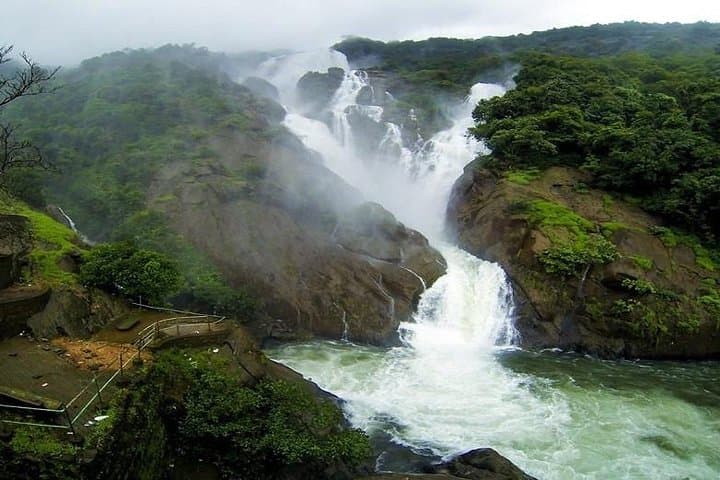


You rumble out of Goa’s coastal humidity into the shade of the Western Ghats, the jeep climbing a rough track while the forest closes in and the river’s roar grows louder. Dudhsagar—"sea of milk"—drops in a sheer white column from the Ghats’ escarpment, a raw page of water carving through basalt and laterite. The air tastes of wet earth and crushed spice leaves.
You rumble out of Goa’s coastal humidity into the shade of the Western Ghats, the jeep climbing a rough track while the forest closes in and the river’s roar grows louder. Dudhsagar—"sea of milk"—drops in a sheer white column from the Ghats’ escarpment, a raw page of water carving through basalt and laterite. The air tastes of wet earth and crushed spice leaves.
Geology and history are visible in every layer: the falls sit on the Mandovi River where Ghats rock creates the dramatic drop; the region is part of an ancient volcanic landscape later shaped by monsoon flows. Mollem National Park preserves dense deciduous and evergreen patches frequented by gaurs and langurs, and nearby villages keep a continuing tradition of cashew feni, kokum and spice cultivation.
On this full-day route you’ll combine an off-road jeep approach, a swim or wade at the pool below the falls, and a guided walk through a working spice plantation. Expect bumpy roads, muddy patches after rain, and a steep scramble if you opt for the trail to the top viewpoint—roughly a 2–3 km return with intermittent rock steps and 150–250 m of gain depending on the route.
Timing and packing make the day: arrive early to avoid crowds and midday heat, wear sturdy shoes that can get wet, bring insect repellent and a quick-dry towel, and respect park rules—no littering, no unauthorized train-track walks. The spice farm segment offers a cultural counterpoint: learn about biogas, cashew distillation and local farming practices before you head back to Goa with a clearer sense of the Ghats’ wild edge.