THE ADVENTURE COLLECTIVE® · Independent discovery and booking for outdoor travel

A private minivan day tour from Dubrovnik to the fortified town of Ston — see one of Europe’s longest defensive walls, sample locally farmed oysters, and travel scenic coastal roads. Ideal for travelers who want history, coastal geology, and a relaxed road-side culinary stop.
A private minivan day tour from Dubrovnik to the fortified town of Ston — see one of Europe’s longest defensive walls, sample locally farmed oysters, and travel scenic coastal roads. Ideal for travelers who want history, coastal geology, and a relaxed road-side culinary stop.
You peel away from Dubrovnik's stone ramparts and the Adriatic opens, the road following the coast as cypresses and olive terraces pass like chapters. The van hums; salt air creeps in when windows lower. Within an hour you arrive at Ston — a compact village guarded by an unbroken ribbon of defensive wall that climbs the ridge and points the way to its famous oyster beds.
Verified experiences and guided adventures in the surrounding area.
Operated by Split-Transfers · Dubrovnik, Dubrovnik-Neretva
You peel away from Dubrovnik's stone ramparts and the Adriatic opens, the road following the coast as cypresses and olive terraces pass like chapters. The van hums; salt air creeps in when windows lower. Within an hour you arrive at Ston — a compact village guarded by an unbroken ribbon of defensive wall that climbs the ridge and points the way to its famous oyster beds.
Ston’s walls date to the medieval Republic of Ragusa and were built to protect valuable salt pans and the trading gateway to Pelješac. Geologically the area is karst: limestone ridges, narrow coves and shallow lagoons where oysters and mussels thrive in sheltered, mineral-rich water. Local culture still pivots on salt and shellfish — small family-run restaurants serve briny oysters, and simple stone houses hold centuries of coastal life.
Practical guidance: this private minivan tour runs roughly five hours total, with about a one-hour stop in Ston. Road time from Dubrovnik to Ston is approximately 50–75 km depending on route — plan for coastal traffic in high season. Wear comfortable walking shoes for uneven wall steps and bring sun protection; there’s limited shade on the ramparts. If you plan to sample oysters, declare allergies ahead of time and have cash or card for small purchases.
Expect easy-paced exploration rather than a strenuous hike: short climbs, cobbled streets, and expansive sea views. Listen for gulls and the muffled creak of fishing boats, and leave space in your day to savor a plate of oysters where they were grown.
easy.
5 hours.
Minimal fitness required — able to board a minivan and manage short walks with some stairs.
The itinerary includes approximately a one-hour stop in Ston for walking the walls, quick sightseeing, and sampling local cuisine.
Vehicles typically allow one large suitcase and one carry-on per passenger; request larger-capacity vehicles in advance for extra luggage and inform the operator if traveling with a pet in a travel box.
Admission and tastings are not included — restaurants in Ston offer oysters and seafood à la carte; you can pay by cash or card depending on the vendor.
Yes — child seats and boosters are available free of charge if requested during booking, making the trip family-friendly.
Ston’s walls and salt pans were fortified by the medieval Republic of Ragusa to protect a strategic salt trade that enriched the city-state.
Oyster beds and salt pans are sensitive coastal ecosystems; choose licensed restaurants and avoid disturbing beds — sustainable harvesting supports local communities and water quality.
Split-Transfers operates guided outdoor trips and adventures with an emphasis on safety, stewardship, and memorable experiences.
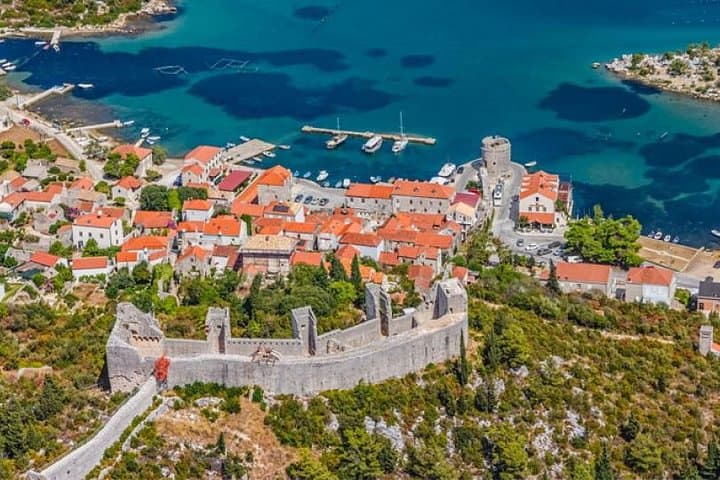

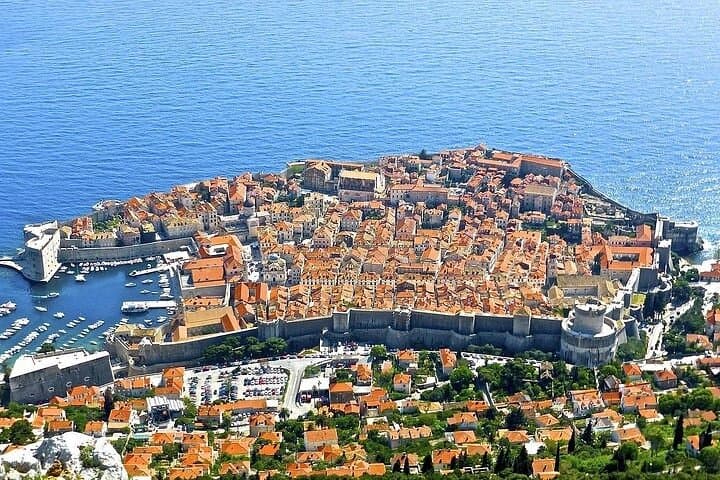
You peel away from Dubrovnik's stone ramparts and the Adriatic opens, the road following the coast as cypresses and olive terraces pass like chapters. The van hums; salt air creeps in when windows lower. Within an hour you arrive at Ston — a compact village guarded by an unbroken ribbon of defensive wall that climbs the ridge and points the way to its famous oyster beds.
You peel away from Dubrovnik's stone ramparts and the Adriatic opens, the road following the coast as cypresses and olive terraces pass like chapters. The van hums; salt air creeps in when windows lower. Within an hour you arrive at Ston — a compact village guarded by an unbroken ribbon of defensive wall that climbs the ridge and points the way to its famous oyster beds.
Ston’s walls date to the medieval Republic of Ragusa and were built to protect valuable salt pans and the trading gateway to Pelješac. Geologically the area is karst: limestone ridges, narrow coves and shallow lagoons where oysters and mussels thrive in sheltered, mineral-rich water. Local culture still pivots on salt and shellfish — small family-run restaurants serve briny oysters, and simple stone houses hold centuries of coastal life.
Practical guidance: this private minivan tour runs roughly five hours total, with about a one-hour stop in Ston. Road time from Dubrovnik to Ston is approximately 50–75 km depending on route — plan for coastal traffic in high season. Wear comfortable walking shoes for uneven wall steps and bring sun protection; there’s limited shade on the ramparts. If you plan to sample oysters, declare allergies ahead of time and have cash or card for small purchases.
Expect easy-paced exploration rather than a strenuous hike: short climbs, cobbled streets, and expansive sea views. Listen for gulls and the muffled creak of fishing boats, and leave space in your day to savor a plate of oysters where they were grown.