THE ADVENTURE COLLECTIVE® · Independent discovery and booking for outdoor travel

A luxury private transfer from Dubrovnik to Split that pairs a scenic Pelješac drive with Ston’s medieval walls and a 5-course sea-to-table lunch in a century-old olive grove. Expect oyster tastings, wine pairing and short guided stops on a 4–5 hour coast-hugging route.
A luxury private transfer from Dubrovnik to Split that pairs a scenic Pelješac drive with Ston’s medieval walls and a 5-course sea-to-table lunch in a century-old olive grove. Expect oyster tastings, wine pairing and short guided stops on a 4–5 hour coast-hugging route.
The Mercedes eases out of Dubrovnik as the Adriatic opens up: a low, wind-shaped horizon, pines clinging to limestone cliffs, and the road curving toward the Pelješac peninsula. In four to five hours you trade the walled city for salt-smoothed battlements at Ston, a century-old olive grove lunch and a coastal drive that keeps the sea in sight.
Verified experiences and guided adventures in the surrounding area.
Operated by Atlas Adriatic · Dubrovnik, Dubrovnik-Neretva County
The Mercedes eases out of Dubrovnik as the Adriatic opens up: a low, wind-shaped horizon, pines clinging to limestone cliffs, and the road curving toward the Pelješac peninsula. In four to five hours you trade the walled city for salt-smoothed battlements at Ston, a century-old olive grove lunch and a coastal drive that keeps the sea in sight.
Ston’s ramparts were built to guard the salt pans that once fed the Dubrovnik Republic’s economy; the town still smells faintly of brine and smoke. The peninsula’s geology is classic Dinaric karst—white limestone cliffs, thin soils that force vines and olives into stubbornly beautiful forms. Culture here is coastal and pragmatic: oyster farms, family-run vineyards, fishermen who still mend nets by hand.
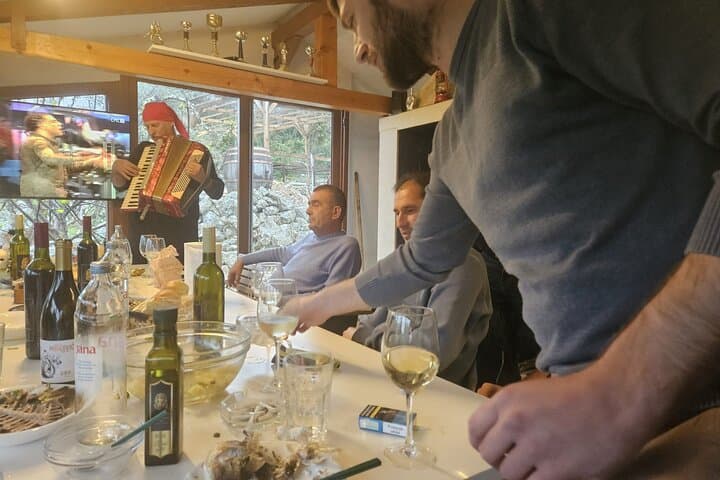
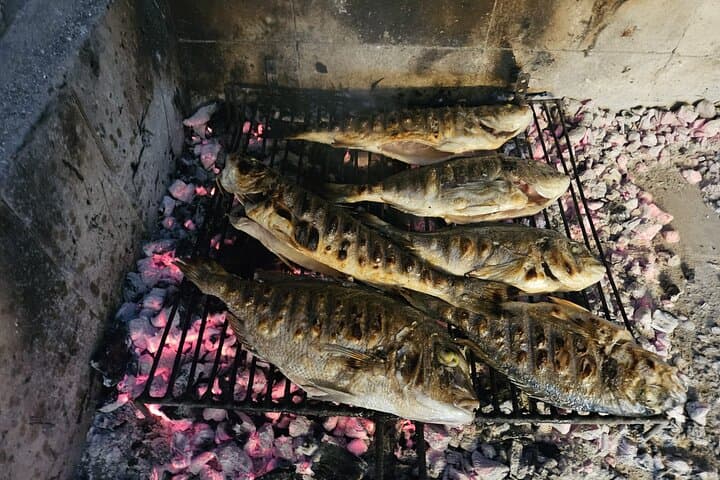
The experience is part transfer, part tasting tour: short guided stop in Ston to walk a section of its walls, a visit to oyster beds and then a private five-course “sea to table” lunch in an olive grove with a sommelier pairing local Plavac Mali or Pošip. The drive is panoramic but involves paved coastal roads and brief, uneven stone surfaces at viewpoints.
Practical guidance: bring your passport for the private pickup, wear comfortable shoes for short cobbled walks, and carry sun protection—coastal glare is strong. Motion-sickness medication helps if you’re sensitive to snaking coastal roads. Expect easy walking, generous food portions, and plenty of opportunities for photos of vineyards descending to the sea.
easy.
4–5 hours.
Suitable for most fitness levels—requires short on-foot sections on uneven stone and low-impact walking.
Pickups are available anywhere in Dubrovnik and Cavtat; drop-offs can be arranged in Split, Trogir or nearby locations.
Yes—the five-course lunch and a bottle of select top-quality regional wine are included; ask about specific wine choices when booking.
Yes—there are planned short stops at Ston and at the lunch location with restroom facilities; some viewpoints are basic.
Yes—guests are offered the opportunity to see or assist with fish preparation as part of the sea-to-table experience; notify the provider if you want a hands-on role.
Ston’s medieval walls were built by the Dubrovnik Republic to protect lucrative salt pans and the narrow gateway to the peninsula; the area’s salt and shellfish economy shaped its defenses and settlements.
Local producers emphasize sustainable oyster farming and small-batch wines; visitors are encouraged to respect protected marine areas and avoid single-use plastics.
Atlas Adriatic operates guided outdoor trips and adventures with an emphasis on safety, stewardship, and memorable experiences.


The Mercedes eases out of Dubrovnik as the Adriatic opens up: a low, wind-shaped horizon, pines clinging to limestone cliffs, and the road curving toward the Pelješac peninsula. In four to five hours you trade the walled city for salt-smoothed battlements at Ston, a century-old olive grove lunch and a coastal drive that keeps the sea in sight.
The Mercedes eases out of Dubrovnik as the Adriatic opens up: a low, wind-shaped horizon, pines clinging to limestone cliffs, and the road curving toward the Pelješac peninsula. In four to five hours you trade the walled city for salt-smoothed battlements at Ston, a century-old olive grove lunch and a coastal drive that keeps the sea in sight.
Ston’s ramparts were built to guard the salt pans that once fed the Dubrovnik Republic’s economy; the town still smells faintly of brine and smoke. The peninsula’s geology is classic Dinaric karst—white limestone cliffs, thin soils that force vines and olives into stubbornly beautiful forms. Culture here is coastal and pragmatic: oyster farms, family-run vineyards, fishermen who still mend nets by hand.
The experience is part transfer, part tasting tour: short guided stop in Ston to walk a section of its walls, a visit to oyster beds and then a private five-course “sea to table” lunch in an olive grove with a sommelier pairing local Plavac Mali or Pošip. The drive is panoramic but involves paved coastal roads and brief, uneven stone surfaces at viewpoints.
Practical guidance: bring your passport for the private pickup, wear comfortable shoes for short cobbled walks, and carry sun protection—coastal glare is strong. Motion-sickness medication helps if you’re sensitive to snaking coastal roads. Expect easy walking, generous food portions, and plenty of opportunities for photos of vineyards descending to the sea.