THE ADVENTURE COLLECTIVE® · Independent discovery and booking for outdoor travel

Cross the border from Dubrovnik into Montenegro for a full-day exploration of Biogradska Gora’s ancient forest and Kolasin’s ski slopes. This long drive combines short hikes, cultural stops, and mountain scenery—ideal for travelers wanting high-country Montenegro in a day.
Cross the border from Dubrovnik into Montenegro for a full-day exploration of Biogradska Gora’s ancient forest and Kolasin’s ski slopes. This long drive combines short hikes, cultural stops, and mountain scenery—ideal for travelers wanting high-country Montenegro in a day.
A low-angled winter sun slices across the Adriatic as the minivan glides out of Dubrovnik and into a shifting landscape of karst ridges and river valleys. Conversation softens; windows frame terraced hills, then the greener, forested shoulders of Montenegro. By mid-day the road climbs toward Bjelasica and the dark, primeval stands of Biogradska Gora—an old-growth forest that dares you to slow down and listen.
Verified experiences and guided adventures in the surrounding area.
Operated by Alfa Turist · Kolašin, Montenegro
A low-angled winter sun slices across the Adriatic as the minivan glides out of Dubrovnik and into a shifting landscape of karst ridges and river valleys. Conversation softens; windows frame terraced hills, then the greener, forested shoulders of Montenegro. By mid-day the road climbs toward Bjelasica and the dark, primeval stands of Biogradska Gora—an old-growth forest that dares you to slow down and listen.
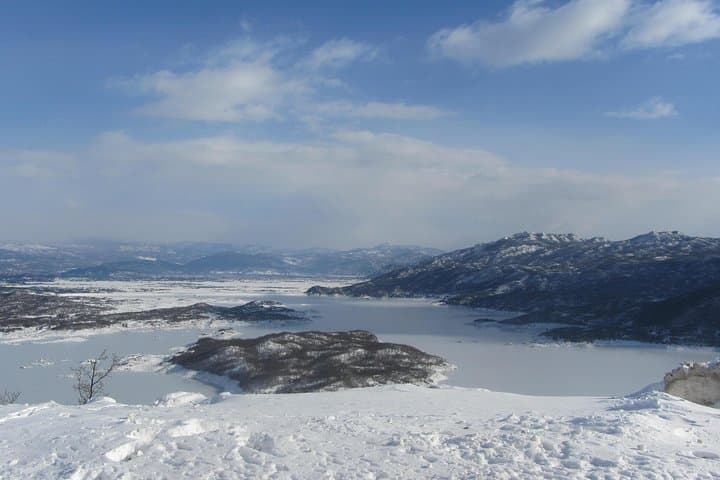
Biogradska Gora is one of Europe’s remaining virgin woodlands, shaped by glacial sculpting and centuries of relative isolation. The geology changes rapidly: limestone karst gives way to glacially-polished basins and alpine lakes. Culturally the corridor from Dubrovnik to Kolašin threads Ottoman, Venetian and Yugoslav legacies—small restaurants serve slow-cooked lamb and hearty stews that reflect inland tastes rather than coastal seafood.
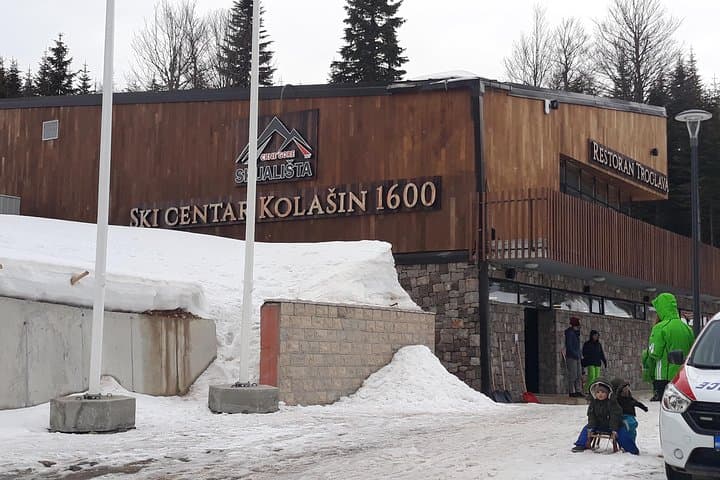
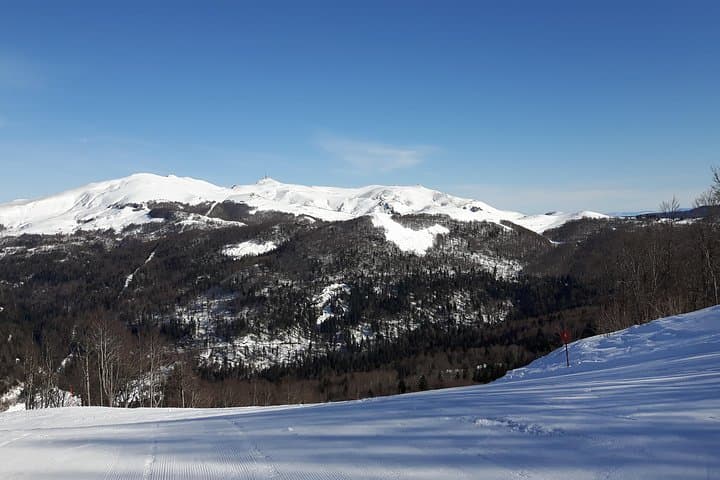
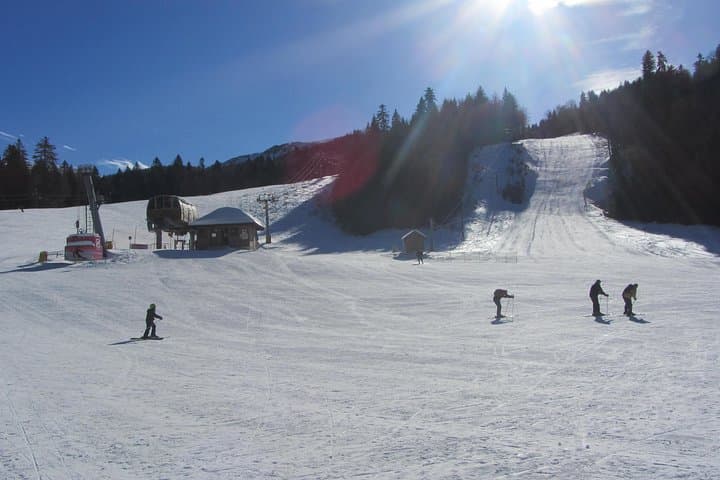
Practically, this is a long, full-day border-crossing drive (expect 8–12 hours depending on stops and traffic). Passports are required; carry printed or mobile tickets, and set aside time for customs. Stops typically include short walks at viewpoints, an optional lunch in a traditional mountain kafana, and a chance to stretch near Biogradsko Lake. In winter the route brings skiers to Kolasin’s lifts on Bjelasica; in summer it’s popular with hikers and anglers.
Plan for variable weather: layered clothing, sturdy shoes for short forest paths, and hydration for long stretches between services. If you want to ski, confirm lift schedules and rental availability in advance. The trip delivers a compact cross-border snapshot of Montenegro’s high-country—rugged, accessible, and quietly memorable.
easy.
8–12 hours.
Suitable for travelers in average fitness; expect periods of sitting with short easy walks and occasional stairs.
Yes — you will cross from Croatia into Bosnia and Herzegovina (depending on route) and Montenegro; original passports are required, and any necessary visas should be arranged in advance.
Expect about 8–12 hours round trip including stops; the exact time depends on border queues, traffic, and how long you spend at viewpoints or in the park.
Lunch is typically not included but can be arranged at a traditional mountain restaurant en route—confirm with the operator when booking.
Yes in winter—Kolasin has lifts on Bjelasica; check current lift operations and rental availability before booking, especially outside peak season.
The route traces historical trade and migration paths linking the Adriatic coast to Montenegro’s highlands, reflecting Venetian and Ottoman influences in local cuisine and architecture.
Biogradska Gora is a protected national park; stick to marked trails, pack out waste, and avoid disturbing old-growth stands and fragile alpine vegetation.
Alfa Turist operates guided outdoor trips and adventures with an emphasis on safety, stewardship, and memorable experiences.
A low-angled winter sun slices across the Adriatic as the minivan glides out of Dubrovnik and into a shifting landscape of karst ridges and river valleys. Conversation softens; windows frame terraced hills, then the greener, forested shoulders of Montenegro. By mid-day the road climbs toward Bjelasica and the dark, primeval stands of Biogradska Gora—an old-growth forest that dares you to slow down and listen.
A low-angled winter sun slices across the Adriatic as the minivan glides out of Dubrovnik and into a shifting landscape of karst ridges and river valleys. Conversation softens; windows frame terraced hills, then the greener, forested shoulders of Montenegro. By mid-day the road climbs toward Bjelasica and the dark, primeval stands of Biogradska Gora—an old-growth forest that dares you to slow down and listen.
Biogradska Gora is one of Europe’s remaining virgin woodlands, shaped by glacial sculpting and centuries of relative isolation. The geology changes rapidly: limestone karst gives way to glacially-polished basins and alpine lakes. Culturally the corridor from Dubrovnik to Kolašin threads Ottoman, Venetian and Yugoslav legacies—small restaurants serve slow-cooked lamb and hearty stews that reflect inland tastes rather than coastal seafood.
Practically, this is a long, full-day border-crossing drive (expect 8–12 hours depending on stops and traffic). Passports are required; carry printed or mobile tickets, and set aside time for customs. Stops typically include short walks at viewpoints, an optional lunch in a traditional mountain kafana, and a chance to stretch near Biogradsko Lake. In winter the route brings skiers to Kolasin’s lifts on Bjelasica; in summer it’s popular with hikers and anglers.
Plan for variable weather: layered clothing, sturdy shoes for short forest paths, and hydration for long stretches between services. If you want to ski, confirm lift schedules and rental availability in advance. The trip delivers a compact cross-border snapshot of Montenegro’s high-country—rugged, accessible, and quietly memorable.