THE ADVENTURE COLLECTIVE® · Independent discovery and booking for outdoor travel

Climb from Gruž to Mount Srđ with a small group and watch Dubrovnik’s rooftops glow at sunset. This guided 3–4 hour hike combines panoramic Adriatic views with local history at a Napoleonic fort.
Climb from Gruž to Mount Srđ with a small group and watch Dubrovnik’s rooftops glow at sunset. This guided 3–4 hour hike combines panoramic Adriatic views with local history at a Napoleonic fort.
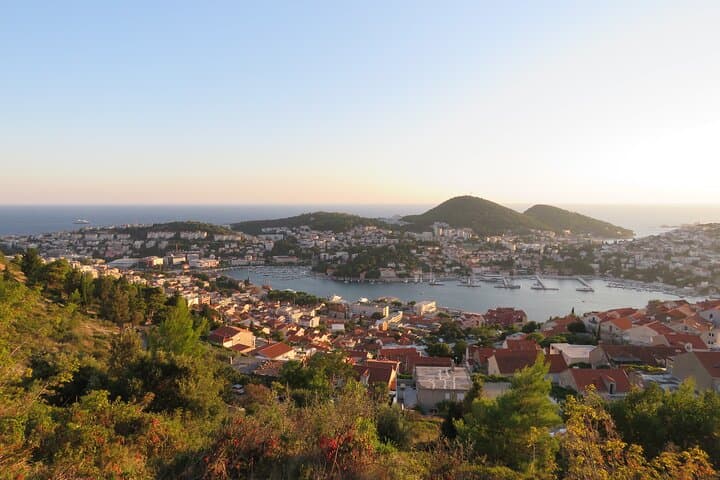
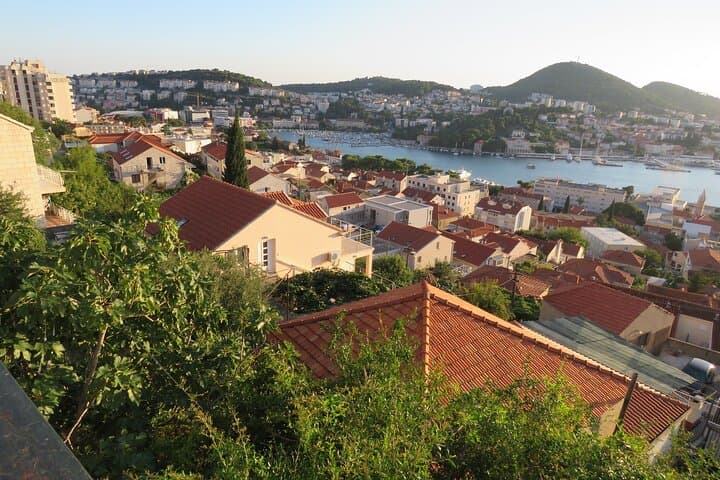
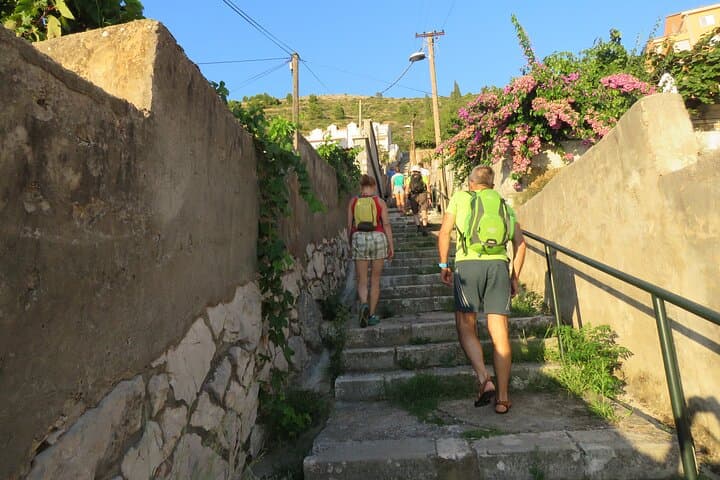
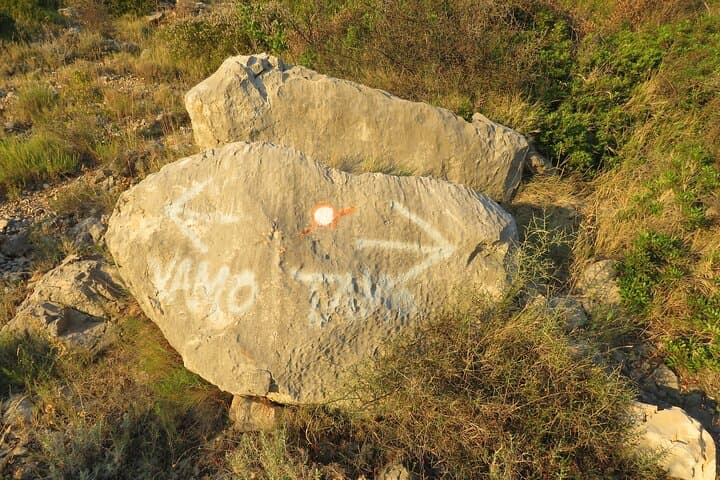
You crest the ridge as the sun tilts toward the Adriatic and Dubrovnik’s orange roofs catch fire — the city below becomes a grid of stone, sea, and memory. The trail begins at sea level in Gruž, winds past socialist-era staircases and a single-track that climbs into maquis shrub and pines, each switchback revealing a broader sweep: Lokrum sitting like a green jewel, the Elaphite islands receding into blue, and the crescent of the Old Town framed by the harbor.
Verified experiences and guided adventures in the surrounding area.
Operated by Outdoor Croatia · Dubrovnik, Dubrovnik-Neretva County
You crest the ridge as the sun tilts toward the Adriatic and Dubrovnik’s orange roofs catch fire — the city below becomes a grid of stone, sea, and memory. The trail begins at sea level in Gruž, winds past socialist-era staircases and a single-track that climbs into maquis shrub and pines, each switchback revealing a broader sweep: Lokrum sitting like a green jewel, the Elaphite islands receding into blue, and the crescent of the Old Town framed by the harbor.
Geology here is exposed karst limestone; the hill known locally as Srđ was pushed up by the same tectonics that shaped the Dalmatian coast. History sits on the summit in the form of a Napoleonic-era fort, later repurposed and now interpreted in the Homeland War museum — a compact lens on centuries of strategic importance.
Expect a steady climb on rocky, sometimes loose footing, roughly 4–6 km round-trip with about 300–450 m of elevation gain depending on route. Guides weave local stories and practical orientation so you'll leave knowing where to explore next.
Practical edge: start with shoes that grip on limestone, carry water and a light jacket for wind on the ridge, and time your return — descent after dark is possible but needs a headlamp. This is a moderate outing best for travelers comfortable with sustained uphill sections and stairs; the reward is panoramic evening light and a calm that seems to hold the Adriatic at bay.
moderate.
3–4 hours.
Good cardiovascular fitness and comfort on sustained uphill walking and stairs; able to handle uneven rocky terrain.
The walk begins at the port area in Gruž and finishes at Pile Gate in Dubrovnik’s Old Town, roughly 3–4 hours later.
It's suitable for active beginners with moderate fitness, but it involves steady uphill sections and staircases; those with mobility issues should avoid it.
Yes — the tour offers an option to enter the Homeland War museum at the Napoleonic-era fort; admission may be separate from the hike cost.
Layered clothing, a windbreaker, and sturdy shoes; bring a compact tripod if you want long-exposure shots of the city lights after dusk.
Mount Srđ hosted fortifications since the Napoleonic period and played a visible role during the 1990s Homeland War; the summit fort now includes exhibits on that history.
Stay on marked trails to protect thin karst soils and native maquis shrubs; avoid littering and obey local rules to reduce erosion and wildfire risk.
Outdoor Croatia operates guided outdoor trips and adventures with an emphasis on safety, stewardship, and memorable experiences.
You crest the ridge as the sun tilts toward the Adriatic and Dubrovnik’s orange roofs catch fire — the city below becomes a grid of stone, sea, and memory. The trail begins at sea level in Gruž, winds past socialist-era staircases and a single-track that climbs into maquis shrub and pines, each switchback revealing a broader sweep: Lokrum sitting like a green jewel, the Elaphite islands receding into blue, and the crescent of the Old Town framed by the harbor.
You crest the ridge as the sun tilts toward the Adriatic and Dubrovnik’s orange roofs catch fire — the city below becomes a grid of stone, sea, and memory. The trail begins at sea level in Gruž, winds past socialist-era staircases and a single-track that climbs into maquis shrub and pines, each switchback revealing a broader sweep: Lokrum sitting like a green jewel, the Elaphite islands receding into blue, and the crescent of the Old Town framed by the harbor.
Geology here is exposed karst limestone; the hill known locally as Srđ was pushed up by the same tectonics that shaped the Dalmatian coast. History sits on the summit in the form of a Napoleonic-era fort, later repurposed and now interpreted in the Homeland War museum — a compact lens on centuries of strategic importance.
Expect a steady climb on rocky, sometimes loose footing, roughly 4–6 km round-trip with about 300–450 m of elevation gain depending on route. Guides weave local stories and practical orientation so you'll leave knowing where to explore next.
Practical edge: start with shoes that grip on limestone, carry water and a light jacket for wind on the ridge, and time your return — descent after dark is possible but needs a headlamp. This is a moderate outing best for travelers comfortable with sustained uphill sections and stairs; the reward is panoramic evening light and a calm that seems to hold the Adriatic at bay.