THE ADVENTURE COLLECTIVE® · Independent discovery and booking for outdoor travel

Spend a long day traveling from Split to Ston and Dubrovnik: walk medieval walls, ride the Srđ cable car for sweeping views, and sample coastal seafood where salt pans shaped local life. Practical, guided, and packed with viewpoints.
Spend a long day traveling from Split to Ston and Dubrovnik: walk medieval walls, ride the Srđ cable car for sweeping views, and sample coastal seafood where salt pans shaped local life. Practical, guided, and packed with viewpoints.
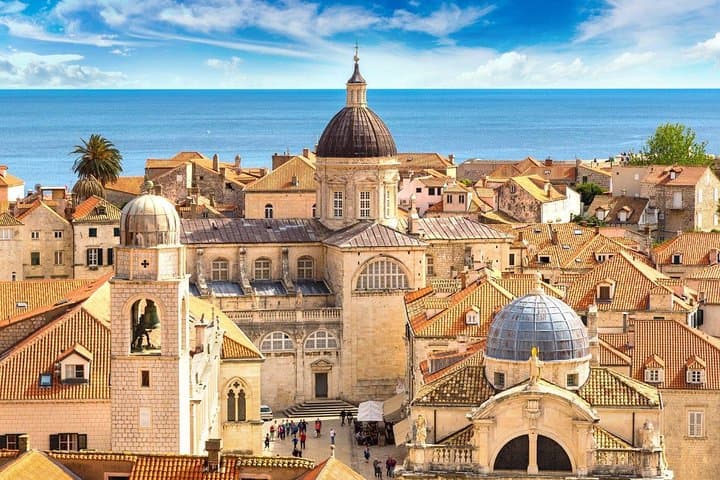
You step out of the air-conditioned van and the Adriatic meets you with a salt-sweet breeze—the sea seems to pull your eyes toward Dubrovnik’s orange roofs while Ston’s ramparts rise like a defensive spine along the peninsula.
Verified experiences and guided adventures in the surrounding area.
Operated by Four Seasons Travel · Dubrovnik, Dubrovnik-Neretva County
You step out of the air-conditioned van and the Adriatic meets you with a salt-sweet breeze—the sea seems to pull your eyes toward Dubrovnik’s orange roofs while Ston’s ramparts rise like a defensive spine along the peninsula.
The day begins in Ston, a medieval salt-working village ringed by what are often called Europe’s longest defensive walls. Built and rebuilt through Venetian and local rule, the walls protected valuable salt pans—still visible—and a trading economy that shaped the coast’s architecture and cuisine.
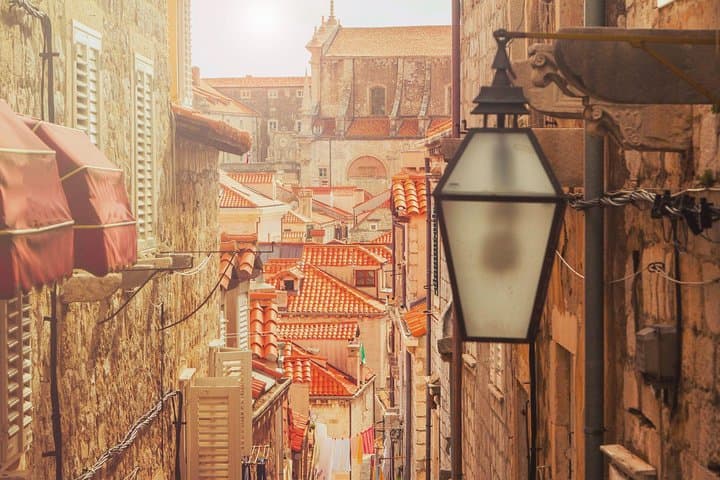
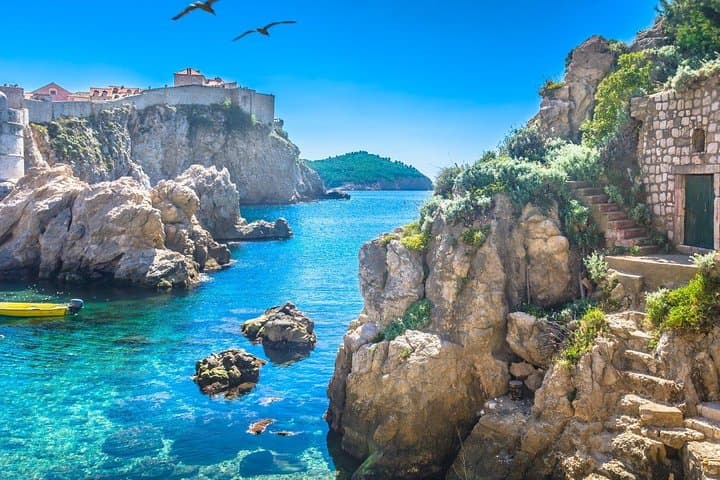
From geology to culture, the region is compact: karst limestone cliffs drop to clear, blue waters; olive groves and rosemary cling to terraces; seafood traditions here trace directly to those salt pans and the open sea. In Dubrovnik, the old town’s limestone streets—worn smooth by centuries of foot traffic—lead to the Placa and the elevated walk of the city walls, which read the coastline like a map.
Practical guidance: the full loop is a long day (6–10 hours) with easy walking but uneven medieval stone underfoot. Bring comfortable shoes with good tread, sun protection, and a light layer for breezy moments on Mount Srđ or the walls. Cable car access to Srđ is fast but queues form in high season; plan the order of stops with your guide if you want sunset views.
Expect guided history, room for independent exploration, and optional seafood at family-run konobas in Ston. The rhythm of the day favors steady walking, frequent viewpoints, and a steady appetite for coastal culture.
easy.
6–10 hours.
Suitable for most fitness levels; expect several short to moderate walks on uneven stone and some stairs.
The private tour lasts about 6–10 hours; pickup and return are arranged in Split, with stops in Ston, Dubrovnik Old Town, and Lapad Bay.
Walking the walls is included as a guided visit, but any formal admission fees (when required) are typically paid locally—confirm with the operator at booking.
Yes—most traditional konobas can accommodate dietary needs if informed in advance; use the booking questions to note allergies or preferences.
The itinerary is family-friendly but includes uneven surfaces and stairs; travelers with serious mobility or back issues should notify the operator before booking.
Ston’s walls and salt pans date back to medieval and Venetian periods—salt trade defined local wealth and military priorities for centuries.
The salt pans are both a cultural landscape and an ecological habitat; visitors should stick to paths and avoid disturbing tidal pools while supporting local conservation efforts.
Four Seasons Travel operates guided outdoor trips and adventures with an emphasis on safety, stewardship, and memorable experiences.

You step out of the air-conditioned van and the Adriatic meets you with a salt-sweet breeze—the sea seems to pull your eyes toward Dubrovnik’s orange roofs while Ston’s ramparts rise like a defensive spine along the peninsula.
You step out of the air-conditioned van and the Adriatic meets you with a salt-sweet breeze—the sea seems to pull your eyes toward Dubrovnik’s orange roofs while Ston’s ramparts rise like a defensive spine along the peninsula.
The day begins in Ston, a medieval salt-working village ringed by what are often called Europe’s longest defensive walls. Built and rebuilt through Venetian and local rule, the walls protected valuable salt pans—still visible—and a trading economy that shaped the coast’s architecture and cuisine.
From geology to culture, the region is compact: karst limestone cliffs drop to clear, blue waters; olive groves and rosemary cling to terraces; seafood traditions here trace directly to those salt pans and the open sea. In Dubrovnik, the old town’s limestone streets—worn smooth by centuries of foot traffic—lead to the Placa and the elevated walk of the city walls, which read the coastline like a map.
Practical guidance: the full loop is a long day (6–10 hours) with easy walking but uneven medieval stone underfoot. Bring comfortable shoes with good tread, sun protection, and a light layer for breezy moments on Mount Srđ or the walls. Cable car access to Srđ is fast but queues form in high season; plan the order of stops with your guide if you want sunset views.
Expect guided history, room for independent exploration, and optional seafood at family-run konobas in Ston. The rhythm of the day favors steady walking, frequent viewpoints, and a steady appetite for coastal culture.