THE ADVENTURE COLLECTIVE® · Independent discovery and booking for outdoor travel

Climb Srđ by minivan for sweeping views of Dubrovnik, the Elafiti islands and distant mountain ranges. This compact 105‑minute tour pairs geology and history with accessible viewpoints including the Ombla spring and Dubrovnik Bridge.
Climb Srđ by minivan for sweeping views of Dubrovnik, the Elafiti islands and distant mountain ranges. This compact 105‑minute tour pairs geology and history with accessible viewpoints including the Ombla spring and Dubrovnik Bridge.
A low roar of the minivan fades as the road climbs Srđ, and Dubrovnik folds out below like a map pressed into the sea. From the first stop on the ridge the Old Town sits framed by limestone walls and the Adriatic stretches west to the Elafiti islands; the air tastes faintly of salt and pine. The guide points out features—the quarantine, Banje Beach, Lokrum—while the city’s red roofs pull focus like a pocket of history.
Verified experiences and guided adventures in the surrounding area.
Operated by Cava tours Dubrovnik · Dubrovnik, Dubrovnik-Neretva County
A low roar of the minivan fades as the road climbs Srđ, and Dubrovnik folds out below like a map pressed into the sea. From the first stop on the ridge the Old Town sits framed by limestone walls and the Adriatic stretches west to the Elafiti islands; the air tastes faintly of salt and pine. The guide points out features—the quarantine, Banje Beach, Lokrum—while the city’s red roofs pull focus like a pocket of history.
This short panorama tour threads geology and history into quick, clear narratives. Srđ rises to roughly 400 m above sea level, an ophiolite band above Dubrovnik shaped by Mediterranean tectonics; on clear days the Bosnian and Montenegrin ranges appear on the horizon, three countries sharing the same skyline. Below, the Ombla spring bubbles from a cave, feeding a green plunge pool that marks the subterranean karst hydrology typical of the Dalmatian coast. The modern Dubrovnik Bridge sits about 50 m above the sea where river meets Adriatic—a compact confluence of natural and built landscapes.
Culturally, the stops sketch centuries of maritime trade, Republic-era defenses and wartime resilience; the guide’s local context ties each vista to lived history rather than postcard clichés.
Practical guidance: this 105-minute minivan tour requires minimal fitness—expect short walks at viewpoints and uneven paths near the Ombla spring. Bring sun protection, a light wind layer for the exposed ridge, and a camera with extra battery. Morning and late-afternoon departures offer softer light and fewer crowds; the route is ideal for travelers who want panoramic orientation before exploring Dubrovnik on foot.
easy.
1.5–2 hours.
Suitable for most travelers; must be able to board a minivan and walk short uneven sections
The tour lasts about 105 minutes with multiple brief stops for panoramic views and short walks at each viewpoint.
Yes; the tour is rated easy and suitable for all fitness levels, though there are short uneven paths and some steps at viewpoints.
The tour includes transport and a guide; it does not include meals or any paid admissions—stops are viewpoint-oriented and free to visit.
Drone regulations in Croatia require permits and respect for no-fly zones; large tripods may be impractical during short stops—check local rules and the guide’s instructions.
Srđ has guarded Dubrovnik since medieval times; Fort Imperial near the summit later served strategic roles in modern conflicts and is now a viewpoint and museum space.
The area’s karst springs and coastal ecosystems are sensitive; visitors are asked to avoid littering and remain on marked paths to protect fragile vegetation and water quality.
Cava tours Dubrovnik operates guided outdoor trips and adventures with an emphasis on safety, stewardship, and memorable experiences.
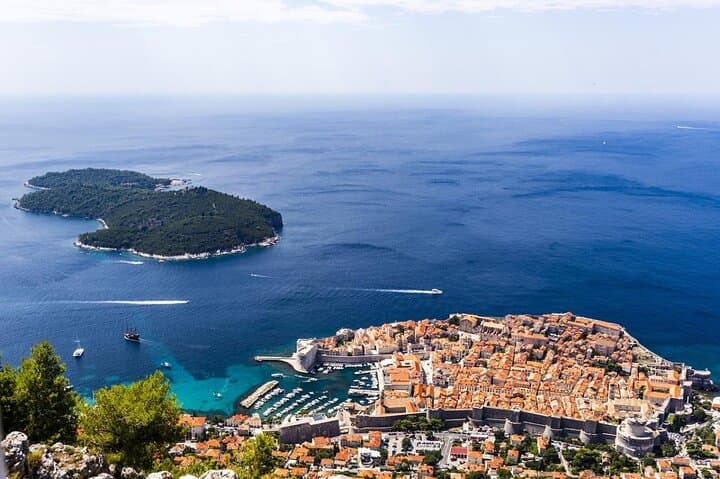
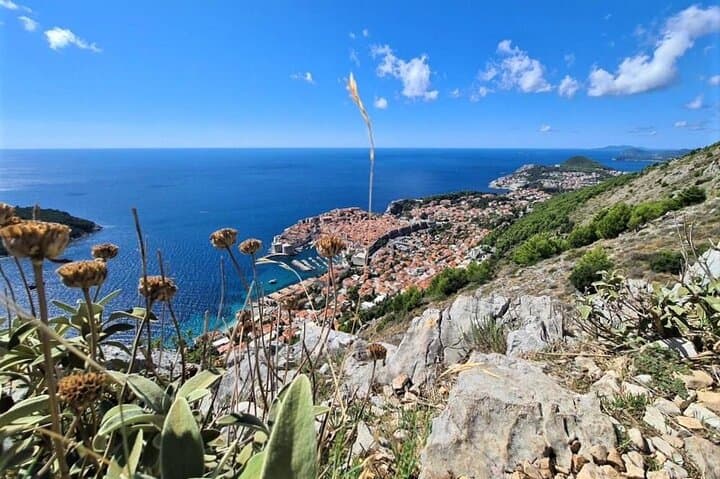
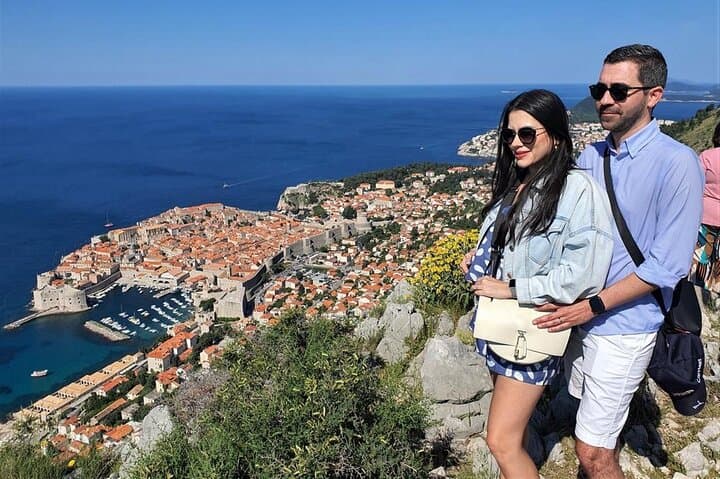
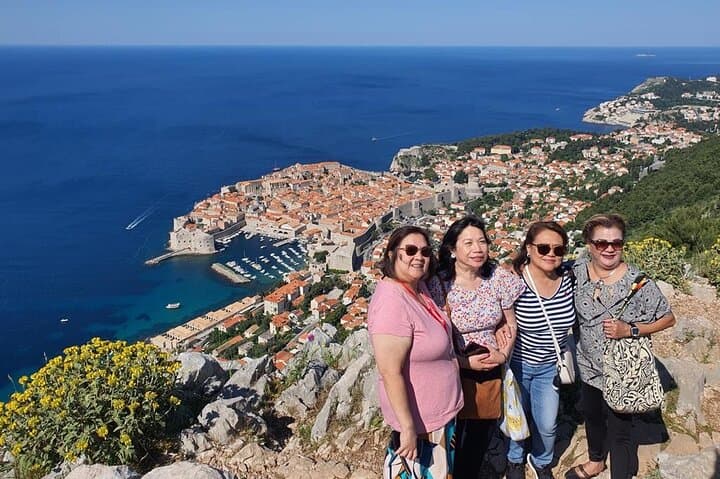
A low roar of the minivan fades as the road climbs Srđ, and Dubrovnik folds out below like a map pressed into the sea. From the first stop on the ridge the Old Town sits framed by limestone walls and the Adriatic stretches west to the Elafiti islands; the air tastes faintly of salt and pine. The guide points out features—the quarantine, Banje Beach, Lokrum—while the city’s red roofs pull focus like a pocket of history.
A low roar of the minivan fades as the road climbs Srđ, and Dubrovnik folds out below like a map pressed into the sea. From the first stop on the ridge the Old Town sits framed by limestone walls and the Adriatic stretches west to the Elafiti islands; the air tastes faintly of salt and pine. The guide points out features—the quarantine, Banje Beach, Lokrum—while the city’s red roofs pull focus like a pocket of history.
This short panorama tour threads geology and history into quick, clear narratives. Srđ rises to roughly 400 m above sea level, an ophiolite band above Dubrovnik shaped by Mediterranean tectonics; on clear days the Bosnian and Montenegrin ranges appear on the horizon, three countries sharing the same skyline. Below, the Ombla spring bubbles from a cave, feeding a green plunge pool that marks the subterranean karst hydrology typical of the Dalmatian coast. The modern Dubrovnik Bridge sits about 50 m above the sea where river meets Adriatic—a compact confluence of natural and built landscapes.
Culturally, the stops sketch centuries of maritime trade, Republic-era defenses and wartime resilience; the guide’s local context ties each vista to lived history rather than postcard clichés.
Practical guidance: this 105-minute minivan tour requires minimal fitness—expect short walks at viewpoints and uneven paths near the Ombla spring. Bring sun protection, a light wind layer for the exposed ridge, and a camera with extra battery. Morning and late-afternoon departures offer softer light and fewer crowds; the route is ideal for travelers who want panoramic orientation before exploring Dubrovnik on foot.