THE ADVENTURE COLLECTIVE® · Independent discovery and booking for outdoor travel

Travel from Dubrovnik to the Ottoman-era streets of Mostar and the cascading tufa pools of Kravice Waterfalls on a private full-day tour. Expect cobbled lanes, a historic bridge rebuilt after war, and emerald swimming pools formed by the Trebižat river.
Travel from Dubrovnik to the Ottoman-era streets of Mostar and the cascading tufa pools of Kravice Waterfalls on a private full-day tour. Expect cobbled lanes, a historic bridge rebuilt after war, and emerald swimming pools formed by the Trebižat river.
A morning drive out of Dubrovnik pulls you away from the Adriatic’s glare into a changing landscape — olive terraces give way to limestone ridges and the first minarets of Herzegovina appear on the horizon.
Verified experiences and guided adventures in the surrounding area.
Operated by Adriatic Explore d.o.o. · Dubrovnik, Dubrovnik-Neretva County
A morning drive out of Dubrovnik pulls you away from the Adriatic’s glare into a changing landscape — olive terraces give way to limestone ridges and the first minarets of Herzegovina appear on the horizon.
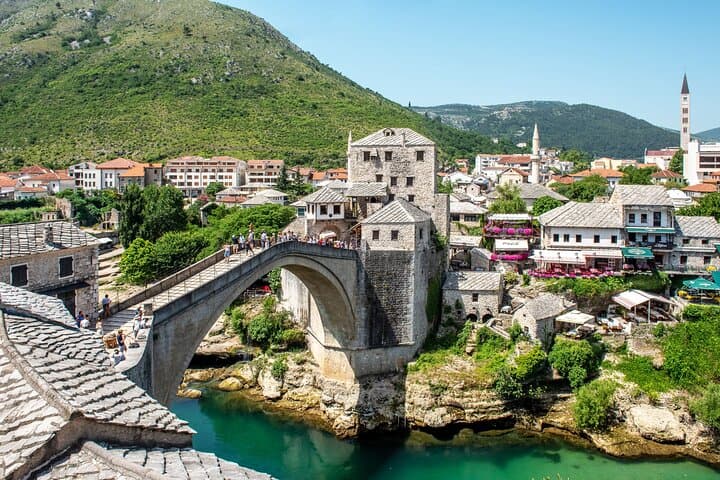
Arrive in Mostar and the Old Bridge (Stari Most) commands attention: a 16th-century Ottoman span rebuilt after the 1990s conflict, its white stone arch hovering above the Neretva. Walk the cobbled lanes, listen to traders and artisans, and feel the town’s layered history where Ottoman, Austro-Hungarian and Mediterranean influences meet.
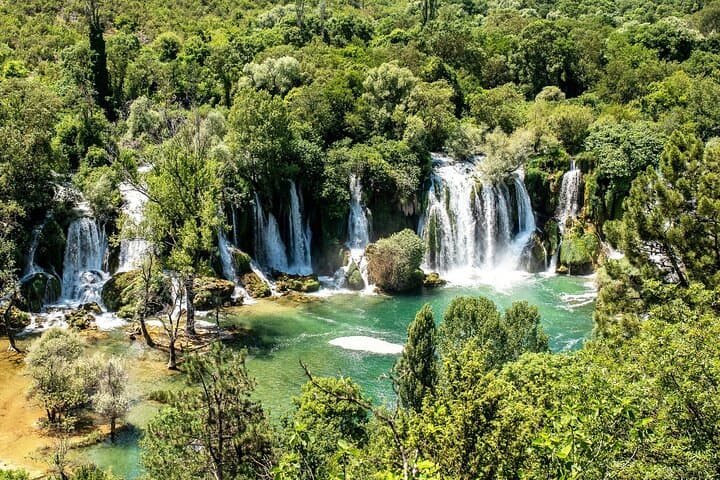
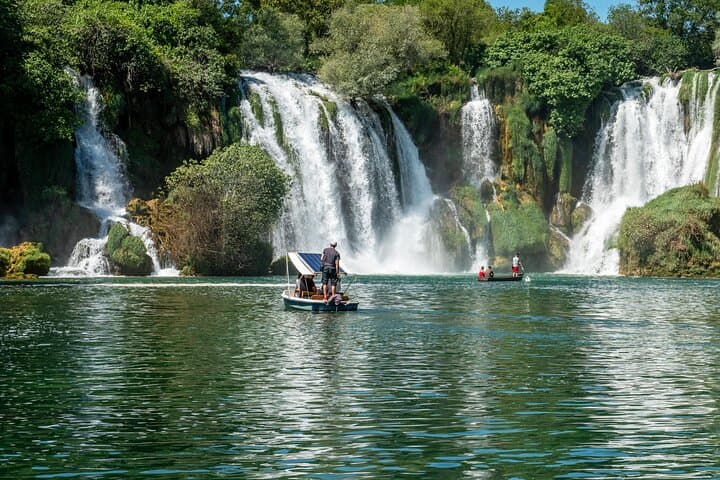
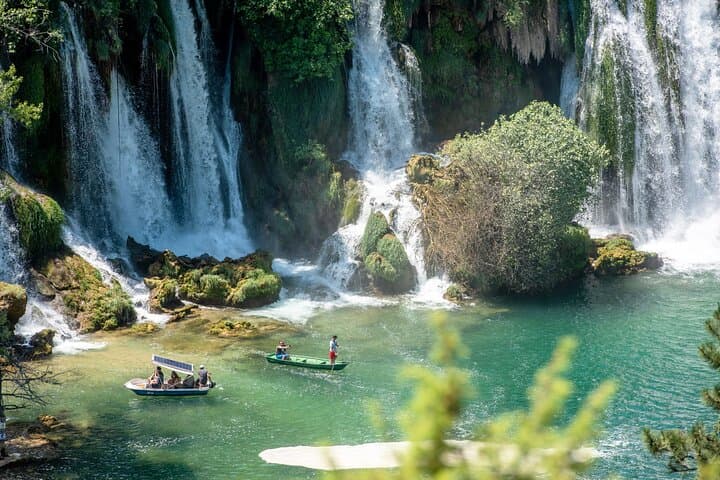
Later the Trebižat river dares you toward Kravice Waterfalls — a horseshoe of travertine cascades and emerald pools formed by mineral-rich tufa deposits. The falls sit within a protected area; in summer the current invites swimmers, while spring brings higher flows and thunderous spray.
Practical edge: this private full-day trip runs about 10 hours with most time spent in transit and guided stops. Expect short walks on uneven cobbles in Mostar and forested paths with slick rock near the falls. Bring a passport for the Croatia–Bosnia border crossing, a swimsuit if you plan to swim, sturdy shoes for cobbles, and cash for small vendors.
Timing matters: start early to avoid heat and crowds at Kravice and allow at least 2–3 hours in Mostar to explore shops, mosques and the bridge. Respect posted signs at the falls — designated swim zones change with season and water levels.
The route pairs cultural depth with a straightforward outdoor encounter: minimal technical challenge, maximum local color and a vivid contrast between town and river.
easy.
10 hours.
Basic fitness — comfortable standing and short walks; minimal elevation change but long day in a vehicle.
Yes. The tour crosses the Croatia–Bosnia and Herzegovina border; all travelers should carry a valid passport.
Swimming is typically allowed in designated areas during warmer months, though access can vary with water levels and local regulations.
Admission to Kravice is usually not included in the base price; expect a separate local entrance fee payable on site.
The itinerary generally allows around 2–3 hours in Mostar—enough to see Stari Most, visit a mosque or two, and browse markets.
Mostar’s Stari Most was built in the 16th century under Ottoman rule and reconstructed after its destruction in the 1990s; Kravice’s cascades form where tufa deposits build natural barriers on the Trebižat river.
The falls are in a protected area—stay on marked paths, avoid single-use plastics, and follow seasonal rules for swimming to minimize erosion and wildlife disturbance.
Adriatic Explore d.o.o. operates guided outdoor trips and adventures with an emphasis on safety, stewardship, and memorable experiences.
A morning drive out of Dubrovnik pulls you away from the Adriatic’s glare into a changing landscape — olive terraces give way to limestone ridges and the first minarets of Herzegovina appear on the horizon.
A morning drive out of Dubrovnik pulls you away from the Adriatic’s glare into a changing landscape — olive terraces give way to limestone ridges and the first minarets of Herzegovina appear on the horizon.
Arrive in Mostar and the Old Bridge (Stari Most) commands attention: a 16th-century Ottoman span rebuilt after the 1990s conflict, its white stone arch hovering above the Neretva. Walk the cobbled lanes, listen to traders and artisans, and feel the town’s layered history where Ottoman, Austro-Hungarian and Mediterranean influences meet.
Later the Trebižat river dares you toward Kravice Waterfalls — a horseshoe of travertine cascades and emerald pools formed by mineral-rich tufa deposits. The falls sit within a protected area; in summer the current invites swimmers, while spring brings higher flows and thunderous spray.
Practical edge: this private full-day trip runs about 10 hours with most time spent in transit and guided stops. Expect short walks on uneven cobbles in Mostar and forested paths with slick rock near the falls. Bring a passport for the Croatia–Bosnia border crossing, a swimsuit if you plan to swim, sturdy shoes for cobbles, and cash for small vendors.
Timing matters: start early to avoid heat and crowds at Kravice and allow at least 2–3 hours in Mostar to explore shops, mosques and the bridge. Respect posted signs at the falls — designated swim zones change with season and water levels.
The route pairs cultural depth with a straightforward outdoor encounter: minimal technical challenge, maximum local color and a vivid contrast between town and river.