THE ADVENTURE COLLECTIVE® · Independent discovery and booking for outdoor travel

A full-day coach trip from Split takes you into Dubrovnik’s fortified Old Town—three hours each way and several inspiring hours inside the walls. Expect walks on ancient marble, cinematic viewpoints used in Game of Thrones and Star Wars, and ample free time to explore.
A full-day coach trip from Split takes you into Dubrovnik’s fortified Old Town—three hours each way and several inspiring hours inside the walls. Expect walks on ancient marble, cinematic viewpoints used in Game of Thrones and Star Wars, and ample free time to explore.
You step off the coach and the Adriatic opens to the left—salt-sweet air pulling at your jacket as the city’s limestone terraces catch the sun. Dubrovnik’s medieval walls rise like an ordered maze, their crenellations throwing shadows across marble streets that have borne foot traffic for centuries.
Verified experiences and guided adventures in the surrounding area.
Operated by Šugaman Tours · Dubrovnik, Dubrovnik-Neretva County
You step off the coach and the Adriatic opens to the left—salt-sweet air pulling at your jacket as the city’s limestone terraces catch the sun. Dubrovnik’s medieval walls rise like an ordered maze, their crenellations throwing shadows across marble streets that have borne foot traffic for centuries.
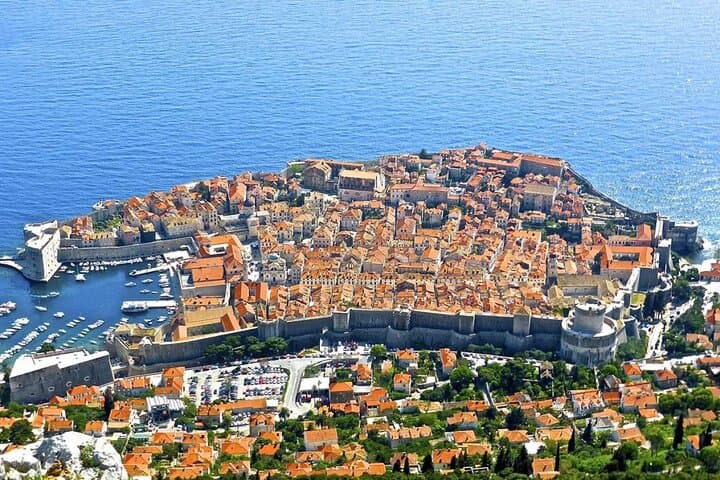
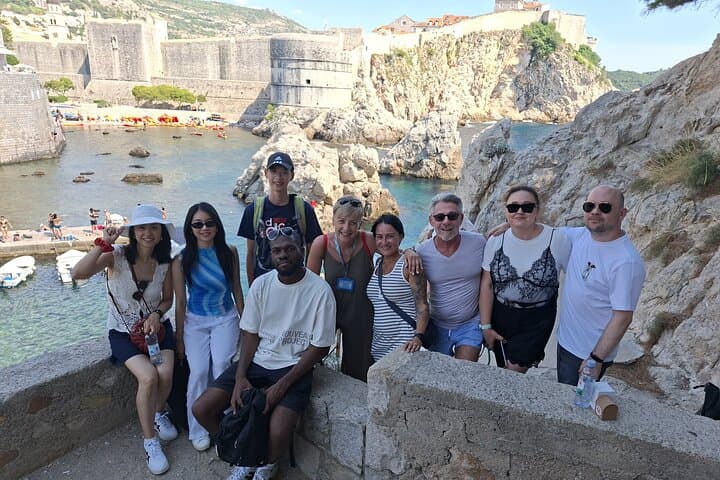
Originally a maritime republic known as Ragusa, Dubrovnik grew wealth from trade and defended that wealth with massive stone walls carved from local limestone and dolomite beds. The Old Town’s layout reflects both Gothic restraint and Renaissance flourish: narrow alleys funneling toward Stradun, baroque churches, and the low-slung Fort Lovrijenac looming off the western wall.
Culturally, the city is a living museum where Benedictine monks, coastal fishermen, and modern film crews cross paths. Geologically, the Adriatic cliffs and nearby karst landscape tell a story of uplift and erosion—sea daring you toward the horizon while currents shape hidden coves.
Practical guidance: expect a long day—roughly three hours by bus each way with 4–5 hours in Dubrovnik proper. Wear sturdy walking shoes for uneven marble and steps inside the walls, bring a refillable water bottle and sun protection, and budget time for the popular viewpoints and cafés. Free time allows wandering the Stradun, visiting the Franciscan Monastery pharmacy, or settling at a seaside bar with a view of Lokrum.
Timing tips: arrive early in town to avoid cruise-ship crowds, and keep a printed or mobile voucher handy for check-in in Split. The tour is accessible for most fitness levels but involves significant walking on cobbles and steps.
easy.
12 hours.
Suitable for most fitness levels; expect several hours of walking on uneven stone and some stairs.
The coach ride is approximately three hours each way, depending on traffic and border crossing times.
Yes—the itinerary includes around 3–4 hours of free time to walk Stradun, visit landmarks, or sit for a meal.
Admissions are generally not included; the tour provides guided orientation and time to visit sites independently if you choose to pay entrance fees.
The tour is suitable for children and those with basic mobility, but expect walking on steps and uneven surfaces; infants must sit on laps per the operator’s policy.
Dubrovnik was the independent maritime Republic of Ragusa from the 14th to 19th centuries, leaving a compact Old Town fortified by extensive stone walls.
Rising visitation pressures have led to limits on wall capacity and timed access—follow local rules, use marked paths, and avoid climbing on historic structures to protect the limestone fabric.
Šugaman Tours operates guided outdoor trips and adventures with an emphasis on safety, stewardship, and memorable experiences.
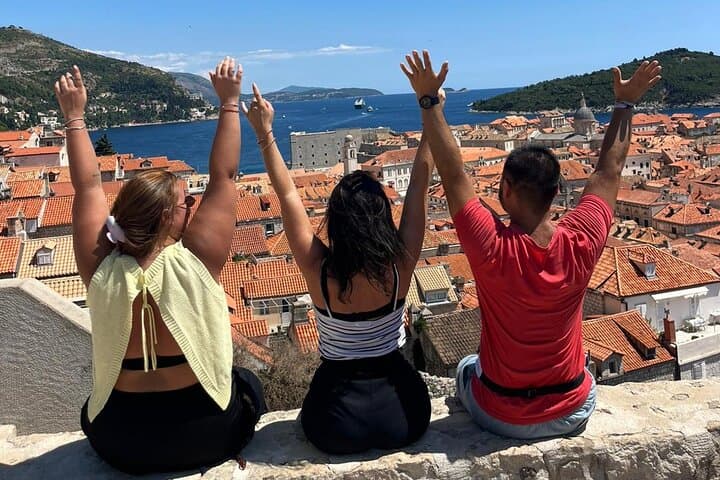
You step off the coach and the Adriatic opens to the left—salt-sweet air pulling at your jacket as the city’s limestone terraces catch the sun. Dubrovnik’s medieval walls rise like an ordered maze, their crenellations throwing shadows across marble streets that have borne foot traffic for centuries.
You step off the coach and the Adriatic opens to the left—salt-sweet air pulling at your jacket as the city’s limestone terraces catch the sun. Dubrovnik’s medieval walls rise like an ordered maze, their crenellations throwing shadows across marble streets that have borne foot traffic for centuries.
Originally a maritime republic known as Ragusa, Dubrovnik grew wealth from trade and defended that wealth with massive stone walls carved from local limestone and dolomite beds. The Old Town’s layout reflects both Gothic restraint and Renaissance flourish: narrow alleys funneling toward Stradun, baroque churches, and the low-slung Fort Lovrijenac looming off the western wall.
Culturally, the city is a living museum where Benedictine monks, coastal fishermen, and modern film crews cross paths. Geologically, the Adriatic cliffs and nearby karst landscape tell a story of uplift and erosion—sea daring you toward the horizon while currents shape hidden coves.
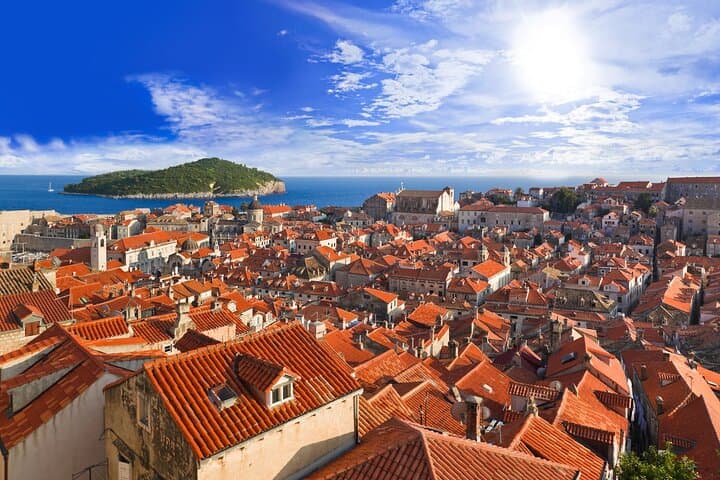
Practical guidance: expect a long day—roughly three hours by bus each way with 4–5 hours in Dubrovnik proper. Wear sturdy walking shoes for uneven marble and steps inside the walls, bring a refillable water bottle and sun protection, and budget time for the popular viewpoints and cafés. Free time allows wandering the Stradun, visiting the Franciscan Monastery pharmacy, or settling at a seaside bar with a view of Lokrum.
Timing tips: arrive early in town to avoid cruise-ship crowds, and keep a printed or mobile voucher handy for check-in in Split. The tour is accessible for most fitness levels but involves significant walking on cobbles and steps.