THE ADVENTURE COLLECTIVE® · Independent discovery and booking for outdoor travel

Cross borders and landscapes in one day: explore Ston’s medieval walls and oysters, sip coastal wines at Rizman, wander Mostar’s Old Bridge, and cool off at Kravica Waterfalls. This full-day route blends history, geology, and local flavor with free time to explore.
Cross borders and landscapes in one day: explore Ston’s medieval walls and oysters, sip coastal wines at Rizman, wander Mostar’s Old Bridge, and cool off at Kravica Waterfalls. This full-day route blends history, geology, and local flavor with free time to explore.
You pull away from Dubrovnik’s limestone teeth at first light, the Adriatic shrinking into a ribbon as the van hums toward the Bosnian border. By midmorning the town of Ston appears—its defensive walls climbing like a slow-moving dragon above oyster beds—inviting a slow stroll along centuries-old salt pans and narrow streets.
Verified experiences and guided adventures in the surrounding area.
Operated by Galaxy Transfer · Dubrovnik, Dubrovnik-Neretva County
You pull away from Dubrovnik’s limestone teeth at first light, the Adriatic shrinking into a ribbon as the van hums toward the Bosnian border. By midmorning the town of Ston appears—its defensive walls climbing like a slow-moving dragon above oyster beds—inviting a slow stroll along centuries-old salt pans and narrow streets.
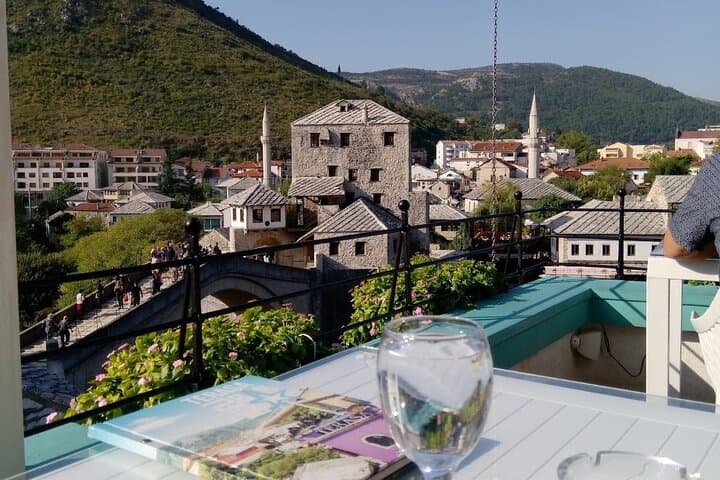
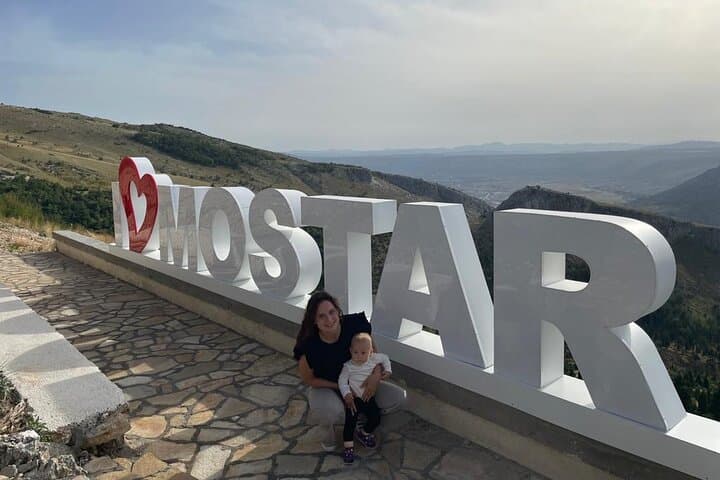
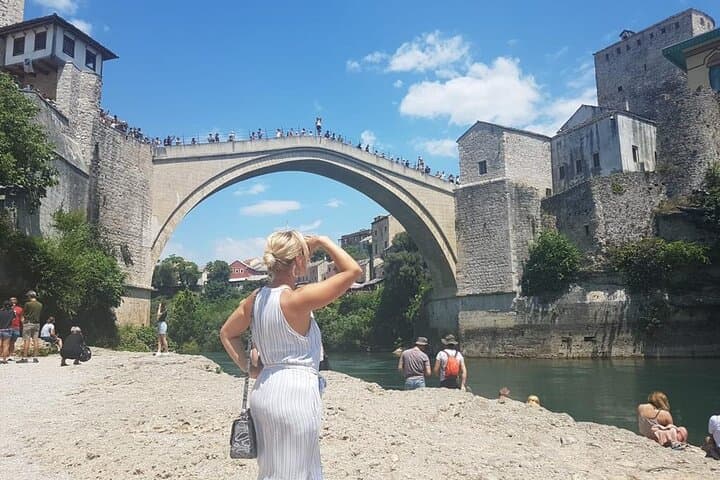
The route folds through Komarna’s low hills to Rizman Winery, where terraces look out over vineyards and the sea; vines here have adapted to sharp winds, poor soils, and long light, producing wines that read of the coast. Further inland the landscape changes—karst plateaus give way to the turquoise of the Neretva River, and history layers clear: Mostar’s Ottoman-era bazaars, the 16th-century Stari Most bridge, and Austro-Hungarian facades speak to a region at the crossroads of empires.
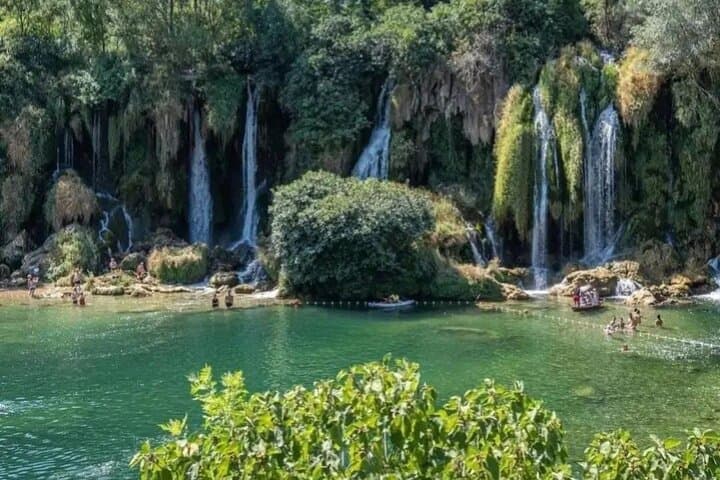
Kravica Waterfalls closes the loop with a green amphitheater of travertine steps and a jade pool that dares you to cool off. The geology—limestone, tufa deposits, and river-carved basins—creates the falls’ stepped profile and the shallow pools ideal for a swim in summer.
Practical guide: bring your passport for the Bosnia-Herzegovina border, small cash for local sellers, and comfortable shoes for cobbles and short walks. If you plan to swim at Kravica, pack water shoes and a towel; rocks are slippery. Time your visit for morning light in Mostar or afternoon at the falls for best photos. Expect an easy, full-day pace with plenty of free time to explore independently.
easy.
8 hours.
Suitable for most fitness levels; expect short walks and standing time at viewpoints
Yes—this itinerary crosses the border into Bosnia and Herzegovina; bring a valid passport.
Bottled water is included, but meals, wine tastings, and local purchases are generally paid on-site.
Yes in warmer months—swimming is allowed but bring water shoes and be cautious of slippery rocks and variable currents.
Euros are commonly accepted in tourist spots, but local vendors may prefer BAM (Bosnian Convertible Mark) or cash—bring small bills.
Stari Most in Mostar dates to the 16th century Ottoman period and was rebuilt after the 1990s conflict; Ston’s walls and salt pans reflect medieval defensive and economic priorities along the Dalmatian coast.
Kravica sits in a sensitive river ecosystem—avoid littering, stick to marked paths, and use local businesses to support community-based conservation.
Galaxy Transfer operates guided outdoor trips and adventures with an emphasis on safety, stewardship, and memorable experiences.
You pull away from Dubrovnik’s limestone teeth at first light, the Adriatic shrinking into a ribbon as the van hums toward the Bosnian border. By midmorning the town of Ston appears—its defensive walls climbing like a slow-moving dragon above oyster beds—inviting a slow stroll along centuries-old salt pans and narrow streets.
You pull away from Dubrovnik’s limestone teeth at first light, the Adriatic shrinking into a ribbon as the van hums toward the Bosnian border. By midmorning the town of Ston appears—its defensive walls climbing like a slow-moving dragon above oyster beds—inviting a slow stroll along centuries-old salt pans and narrow streets.
The route folds through Komarna’s low hills to Rizman Winery, where terraces look out over vineyards and the sea; vines here have adapted to sharp winds, poor soils, and long light, producing wines that read of the coast. Further inland the landscape changes—karst plateaus give way to the turquoise of the Neretva River, and history layers clear: Mostar’s Ottoman-era bazaars, the 16th-century Stari Most bridge, and Austro-Hungarian facades speak to a region at the crossroads of empires.
Kravica Waterfalls closes the loop with a green amphitheater of travertine steps and a jade pool that dares you to cool off. The geology—limestone, tufa deposits, and river-carved basins—creates the falls’ stepped profile and the shallow pools ideal for a swim in summer.
Practical guide: bring your passport for the Bosnia-Herzegovina border, small cash for local sellers, and comfortable shoes for cobbles and short walks. If you plan to swim at Kravica, pack water shoes and a towel; rocks are slippery. Time your visit for morning light in Mostar or afternoon at the falls for best photos. Expect an easy, full-day pace with plenty of free time to explore independently.