THE ADVENTURE COLLECTIVE® · Independent discovery and booking for outdoor travel

Walk Dubrovnik’s iconic high ground on a private 3‑hour tour that pairs Fort Lovrijenac’s cliffside outlook with nearly 2 km of city walls. Expect dramatic views, historic context from a certified local guide, and plenty of stairs.
Walk Dubrovnik’s iconic high ground on a private 3‑hour tour that pairs Fort Lovrijenac’s cliffside outlook with nearly 2 km of city walls. Expect dramatic views, historic context from a certified local guide, and plenty of stairs.
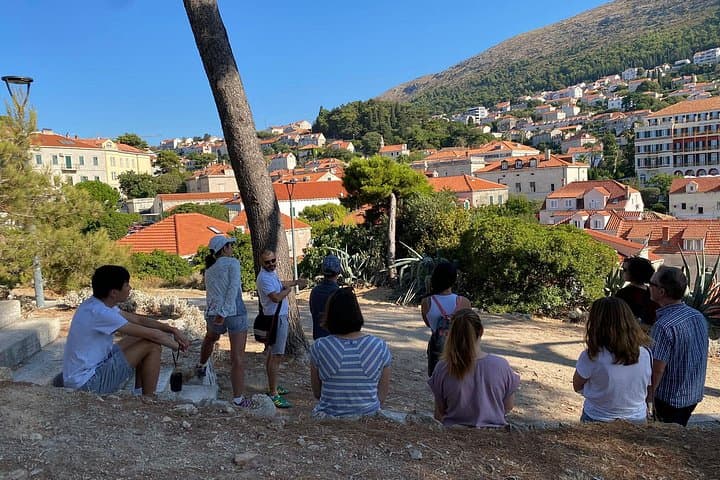
You step through Pile Gate and the Adriatic opens its voice: gulls argue with the wind and the sea pushes light against orange roof tiles. The guide waits with a placard; within minutes you’re ascending to a different Dubrovnik—stone underfoot, history above.
Verified experiences and guided adventures in the surrounding area.
Operated by Best Dubrovnik Stay · Dubrovnik, Dubrovnik-Neretva County
You step through Pile Gate and the Adriatic opens its voice: gulls argue with the wind and the sea pushes light against orange roof tiles. The guide waits with a placard; within minutes you’re ascending to a different Dubrovnik—stone underfoot, history above.
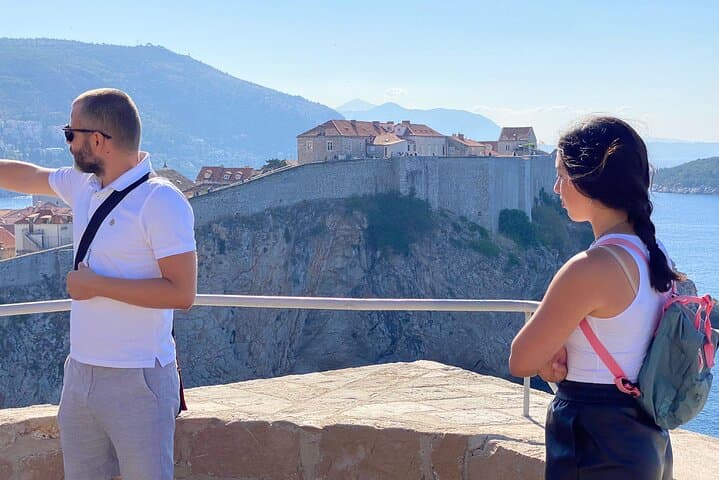
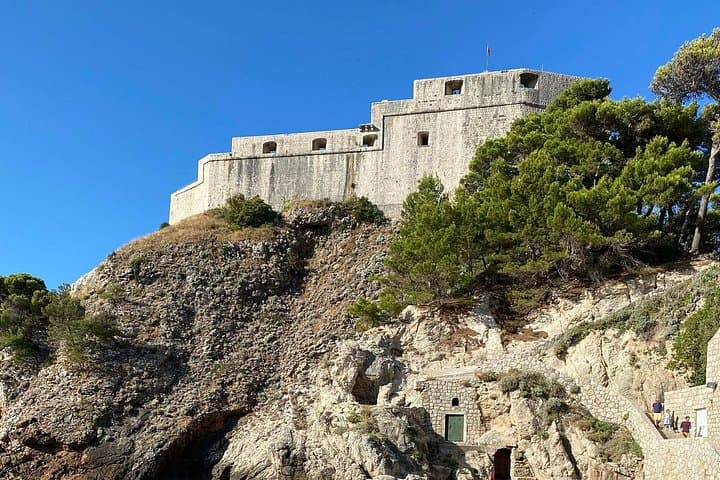
Fort Lovrijenac perches on a 30‑metre rock outside the main wall, a blunt answer to naval threats that once circled the city. From its parapets the guide sketches the Republic of Ragusa’s maritime power; spolia and later repairs mark centuries of sieges and civic pride. The city walls themselves—about 2 km of ramparts and 1,080 steps—follow limestone promontories and brick towers, alternating close corridors and sudden, sweeping viewpoints where Lokrum Island and Banje Beach dominate the horizon.
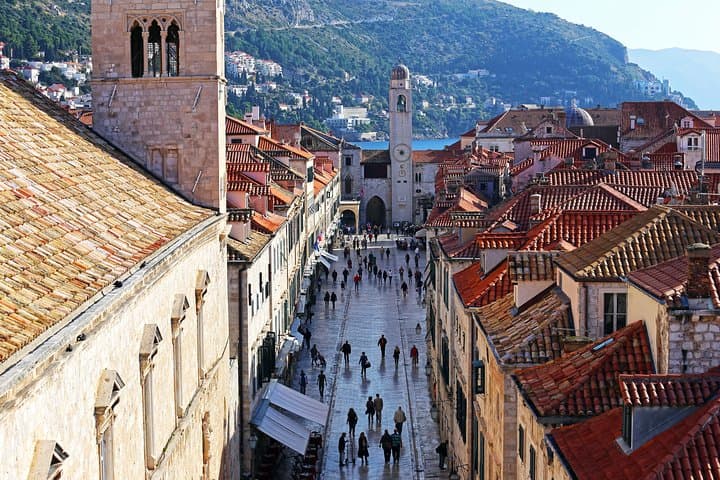
Culture here is readable in mortar lines and rooftop chimneys: fishermen’s nets still dry nearby, and restaurants on Stradun echo Ottoman and Venetian trade routes. Geology is plain underfoot—karst limestone worn smooth by generations of feet, with sudden drops to the sea that seem to dare you closer.
Practically: the private, three‑hour format moves deliberately—roughly 30 minutes at the fort, two hours circling the walls—so bring water, sun protection, and a fully charged camera. Expect stairs and uneven stone; not recommended for those with spinal, heart, or pregnancy concerns. The meeting point is Pile Gate, and the tour finishes on Stradun near the Big Onofrio Fountain. Pace yourself, follow your guide, and allow time afterward to descend into alleyways where Dubrovnik’s quieter corners wait.
moderate.
3 hours.
Moderate fitness: you should be comfortable walking several kilometres and climbing stairs.
No—this tour includes a certified English‑speaking guide but not entry fees for the city walls or Fort Lovrijenac; purchase tickets on site unless otherwise arranged.
The guide waits at Pile Gate outside the Tourist Information office; the tour ends on Stradun in front of the Big Onofrio Fountain.
Children who can handle stairs are welcome; the route involves many steps and uneven surfaces and is not recommended for those with spinal, heart, or serious mobility issues.
Photography is encouraged, but tripods are impractical on narrow sections—use a compact camera or phone and be mindful of other visitors.
Fort Lovrijenac guarded the western approaches to the Old Town; its isolation from the main wall system and rebuilds reflect Dubrovnik’s defensive and civic evolution under the Republic of Ragusa.
High visitor numbers stress fragile stone and coastal habitats—stay on marked paths, avoid touching frescoes or old masonry, and pack out single‑use plastics.
Best Dubrovnik Stay operates guided outdoor trips and adventures with an emphasis on safety, stewardship, and memorable experiences.
You step through Pile Gate and the Adriatic opens its voice: gulls argue with the wind and the sea pushes light against orange roof tiles. The guide waits with a placard; within minutes you’re ascending to a different Dubrovnik—stone underfoot, history above.
You step through Pile Gate and the Adriatic opens its voice: gulls argue with the wind and the sea pushes light against orange roof tiles. The guide waits with a placard; within minutes you’re ascending to a different Dubrovnik—stone underfoot, history above.
Fort Lovrijenac perches on a 30‑metre rock outside the main wall, a blunt answer to naval threats that once circled the city. From its parapets the guide sketches the Republic of Ragusa’s maritime power; spolia and later repairs mark centuries of sieges and civic pride. The city walls themselves—about 2 km of ramparts and 1,080 steps—follow limestone promontories and brick towers, alternating close corridors and sudden, sweeping viewpoints where Lokrum Island and Banje Beach dominate the horizon.
Culture here is readable in mortar lines and rooftop chimneys: fishermen’s nets still dry nearby, and restaurants on Stradun echo Ottoman and Venetian trade routes. Geology is plain underfoot—karst limestone worn smooth by generations of feet, with sudden drops to the sea that seem to dare you closer.
Practically: the private, three‑hour format moves deliberately—roughly 30 minutes at the fort, two hours circling the walls—so bring water, sun protection, and a fully charged camera. Expect stairs and uneven stone; not recommended for those with spinal, heart, or pregnancy concerns. The meeting point is Pile Gate, and the tour finishes on Stradun near the Big Onofrio Fountain. Pace yourself, follow your guide, and allow time afterward to descend into alleyways where Dubrovnik’s quieter corners wait.