THE ADVENTURE COLLECTIVE® · Independent discovery and booking for outdoor travel

Walk Dublin’s political and architectural spine with a local DoDublin guide. This 2½-hour small-group tour covers the GPO, O’Connell Street, Trinity College and more, pairing lively storytelling with practical tips for exploring the city on foot.
Walk Dublin’s political and architectural spine with a local DoDublin guide. This 2½-hour small-group tour covers the GPO, O’Connell Street, Trinity College and more, pairing lively storytelling with practical tips for exploring the city on foot.
You emerge from the hum of O'Connell Street into a city that speaks aloud: the River Liffey dares you to cross, tramlines hum like an old radio, and the guides' voices braid personal anecdote with civic memory.
Verified experiences and guided adventures in the surrounding area.
Operated by DoDublin Tours · Dublin, County Dublin
You emerge from the hum of O'Connell Street into a city that speaks aloud: the River Liffey dares you to cross, tramlines hum like an old radio, and the guides' voices braid personal anecdote with civic memory.
This 2½-hour walking tour threads through Georgian squares, past the General Post Office — where the 1916 Rising still casts long shadows — and into the quiet dignity of St. Patrick’s Cathedral and Trinity College gates. Dublin’s streets are built on layers of human geology: Victorian civic ambition over older Viking lanes, sandstone and reclaimed quays reshaped by centuries of trade and tide.
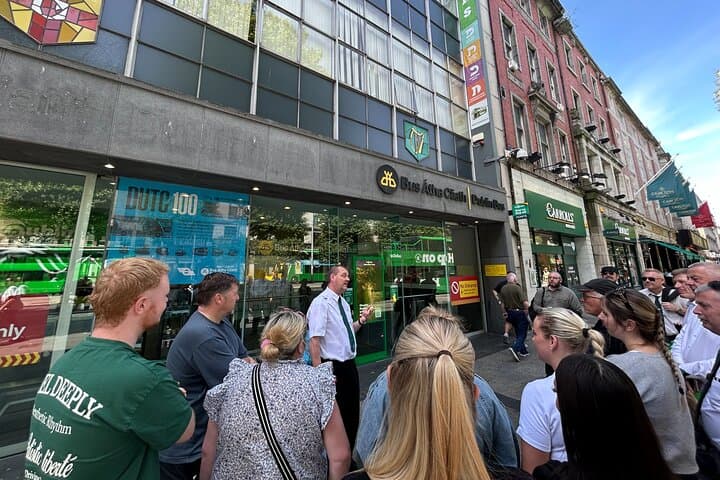
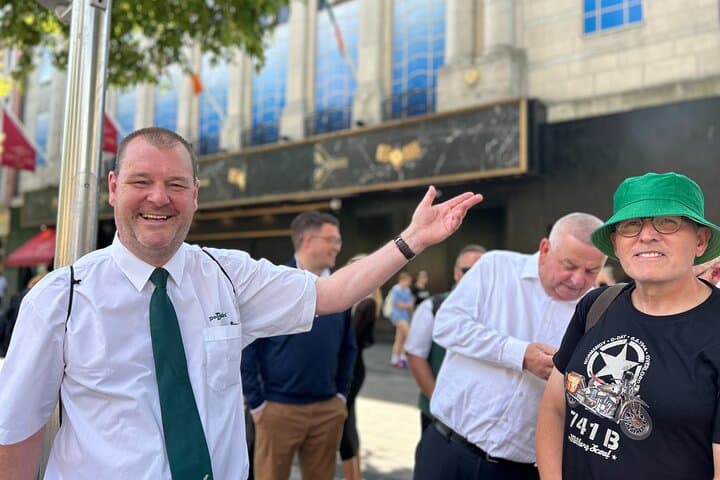
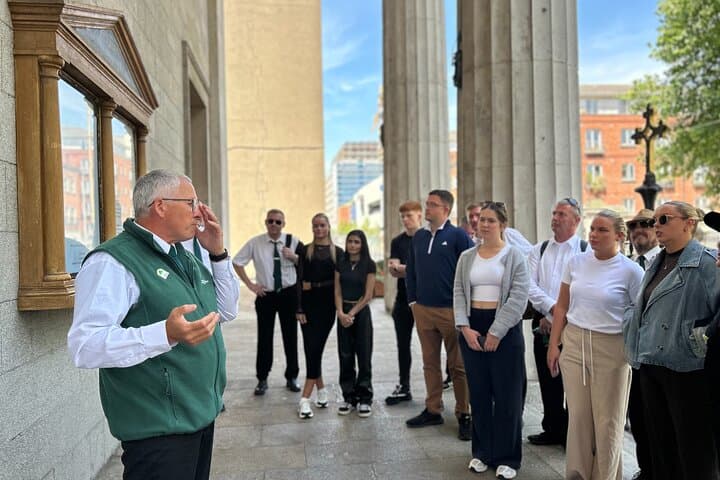
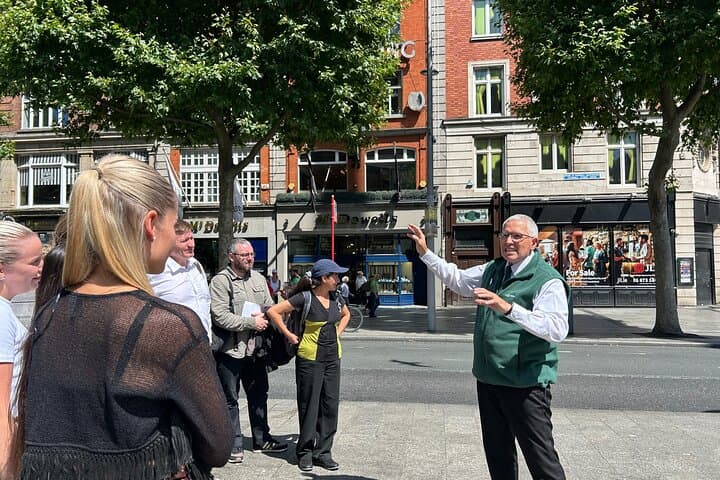
A DoDublin guide brings the revolutionary past into the present with sharp wit and local color — stories of political theater, poets, and the city’s mercantile rise. Along the way you’ll notice architectural cues (Greek revival facades, narrow alleys) and cultural signposts: a pub doorway with a plaque, a memorial garden with a hush of purpose.
Practical guidance sits beside the storytelling. Expect paved sidewalks, frequent stops for photos, and a relaxed pace suitable for most walkers. The route is flat but exposes you to changeable weather; a light rain layer and closed shoes are smart. Public transport links are strong before and after the tour, and guides finish with tailored tips — where to eat, which museums to book, and how to continue exploring on foot.
This walk is as much about listening as seeing: bring curiosity, a charged phone for photos, and a readiness to let the city’s history press gently against the present.
easy.
2–3 hours.
Suitable for most fitness levels; requires standing and walking on paved city streets for about 2.5 hours.
The meeting point is on O'Connell Street near the designated official start location; the tour confirmation includes the exact map pin.
Yes — the route and meeting areas are wheelchair accessible; notify the operator of accessibility needs when booking.
This experience is delivered in English by a local DoDublin guide; check with the operator for special language requests.
Full refunds are available if you cancel at least 24 hours before the scheduled departure; the tour may be canceled by the operator for bad weather or insufficient travelers.
The route highlights pivotal moments like the 1916 Easter Rising at the GPO and Dublin’s Georgian development tied to 18th–19th century trade and politics.
Stay on pavements and respect memorial sites; support local guides and small businesses to keep cultural tourism sustainable.
DoDublin Tours operates guided outdoor trips and adventures with an emphasis on safety, stewardship, and memorable experiences.
You emerge from the hum of O'Connell Street into a city that speaks aloud: the River Liffey dares you to cross, tramlines hum like an old radio, and the guides' voices braid personal anecdote with civic memory.
You emerge from the hum of O'Connell Street into a city that speaks aloud: the River Liffey dares you to cross, tramlines hum like an old radio, and the guides' voices braid personal anecdote with civic memory.
This 2½-hour walking tour threads through Georgian squares, past the General Post Office — where the 1916 Rising still casts long shadows — and into the quiet dignity of St. Patrick’s Cathedral and Trinity College gates. Dublin’s streets are built on layers of human geology: Victorian civic ambition over older Viking lanes, sandstone and reclaimed quays reshaped by centuries of trade and tide.
A DoDublin guide brings the revolutionary past into the present with sharp wit and local color — stories of political theater, poets, and the city’s mercantile rise. Along the way you’ll notice architectural cues (Greek revival facades, narrow alleys) and cultural signposts: a pub doorway with a plaque, a memorial garden with a hush of purpose.
Practical guidance sits beside the storytelling. Expect paved sidewalks, frequent stops for photos, and a relaxed pace suitable for most walkers. The route is flat but exposes you to changeable weather; a light rain layer and closed shoes are smart. Public transport links are strong before and after the tour, and guides finish with tailored tips — where to eat, which museums to book, and how to continue exploring on foot.
This walk is as much about listening as seeing: bring curiosity, a charged phone for photos, and a readiness to let the city’s history press gently against the present.