THE ADVENTURE COLLECTIVE® · Independent discovery and booking for outdoor travel

Escape Dublin for a full-day guided tour to Wicklow’s dramatic headlands and atmospheric town. Expect cliff-top coastal walking, seal and seabird sightings, and a guided stroll through Viking and Norman history with time for local treats.
Escape Dublin for a full-day guided tour to Wicklow’s dramatic headlands and atmospheric town. Expect cliff-top coastal walking, seal and seabird sightings, and a guided stroll through Viking and Norman history with time for local treats.
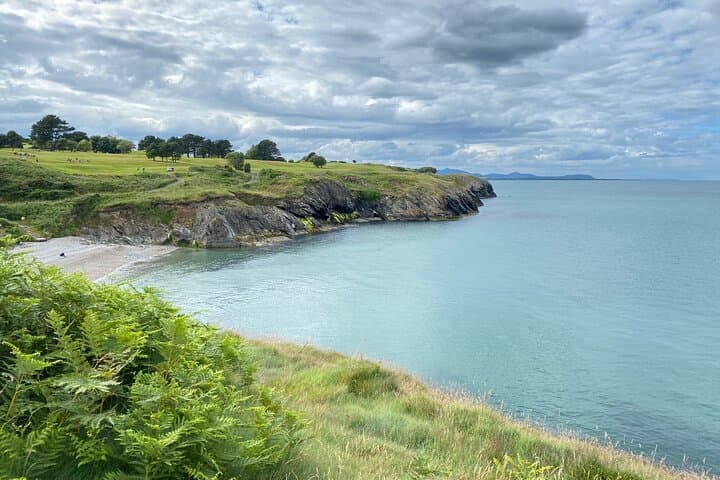
A cold Atlantic wind meets your collar as the van eases onto the quiet coastal road and the group steps out: sheer cliffs fall away to a restless sea, lighthouses perch on headlands and gulls wheel overhead.
Verified experiences and guided adventures in the surrounding area.
Operated by Gateway To Ireland Tours · Wicklow Town, County Wicklow
A cold Atlantic wind meets your collar as the van eases onto the quiet coastal road and the group steps out: sheer cliffs fall away to a restless sea, lighthouses perch on headlands and gulls wheel overhead.
The day tour moves between two moods — the exposed, geological drama of Wicklow Head and the intimate streets of Wicklow Town. The cliffs here are late-Caledonian bedrock and coastal erosion in conversation: granite and older metamorphics give way to wave-cut platforms and small sandy coves. Walkers pass St. Bridget’s Well, a longtime local pilgrimage site, and the scarred remains of lime kilns and ruined churches that speak to fishing, farming and industry across centuries.
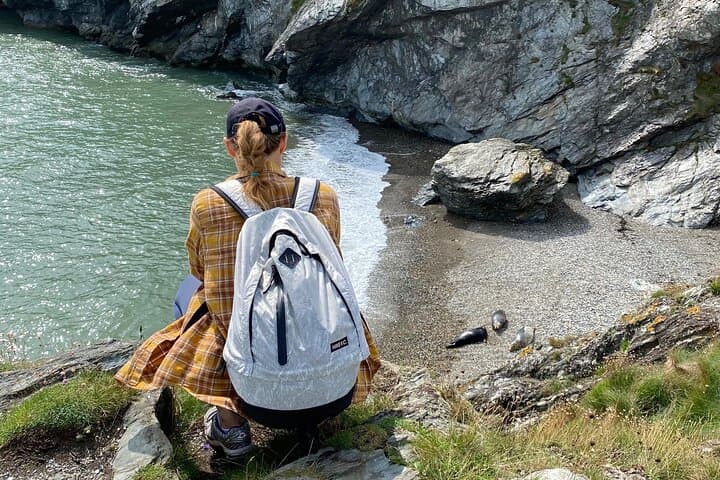
Wicklow Town, originally a 9th-century Viking harbor, layers on Norman castles, Georgian streets and the sober lines of a former gaol; local taverns overlook the Vartry River and make a practical stop for lunch. Wildlife is straightforward and rewarding: grey seals haul out on offshore rocks and seabirds — guillemots, kittiwakes and fulmars — patrol the cliffs.
Practical guidance: expect a 7–8 hour outing from Dublin with guided transport, a moderate coastal walk (roughly 4–6 km, short climbs up to ~100–150 m cumulative), and time to explore the town. Wear waterproof layers, sturdy boots and bring a camera, water and a light pack; weather can change fast. Midday visits give the best light for photos and calmer seas for wildlife viewing. The route is accessible for most walkers but not suitable for anyone with significant mobility restrictions.
moderate.
7–8 hours.
Suitable for most people with regular walking fitness; requires ability to handle uneven ground and short steep sections.
The guided coastal walk is typically 4–6 km with short climbs; the full trip including transfers and town time runs about 7–8 hours.
Yes—most sections are family-friendly, but the cliff paths require sure footing and caution; those with limited mobility should check with the operator first.
Sightings are common—grey seals often haul out on offshore rocks and seabirds like guillemots and kittiwakes are regularly observed, though wildlife can never be guaranteed.
The tour includes tea/coffee and pastries after the walk and time for lunch in Wicklow Town; bring a refillable water bottle and any personal snacks you prefer.
Wicklow Town began as a 9th-century Viking settlement; the coastline and local ruins reflect Viking, Norman and later Georgian influences.
Coastal paths are managed to limit erosion; stay on marked trails, pack out waste and avoid disturbing haul-out sites to protect seals and nesting seabirds.
Gateway To Ireland Tours operates guided outdoor trips and adventures with an emphasis on safety, stewardship, and memorable experiences.


A cold Atlantic wind meets your collar as the van eases onto the quiet coastal road and the group steps out: sheer cliffs fall away to a restless sea, lighthouses perch on headlands and gulls wheel overhead.
A cold Atlantic wind meets your collar as the van eases onto the quiet coastal road and the group steps out: sheer cliffs fall away to a restless sea, lighthouses perch on headlands and gulls wheel overhead.
The day tour moves between two moods — the exposed, geological drama of Wicklow Head and the intimate streets of Wicklow Town. The cliffs here are late-Caledonian bedrock and coastal erosion in conversation: granite and older metamorphics give way to wave-cut platforms and small sandy coves. Walkers pass St. Bridget’s Well, a longtime local pilgrimage site, and the scarred remains of lime kilns and ruined churches that speak to fishing, farming and industry across centuries.
Wicklow Town, originally a 9th-century Viking harbor, layers on Norman castles, Georgian streets and the sober lines of a former gaol; local taverns overlook the Vartry River and make a practical stop for lunch. Wildlife is straightforward and rewarding: grey seals haul out on offshore rocks and seabirds — guillemots, kittiwakes and fulmars — patrol the cliffs.
Practical guidance: expect a 7–8 hour outing from Dublin with guided transport, a moderate coastal walk (roughly 4–6 km, short climbs up to ~100–150 m cumulative), and time to explore the town. Wear waterproof layers, sturdy boots and bring a camera, water and a light pack; weather can change fast. Midday visits give the best light for photos and calmer seas for wildlife viewing. The route is accessible for most walkers but not suitable for anyone with significant mobility restrictions.