THE ADVENTURE COLLECTIVE® · Independent discovery and booking for outdoor travel

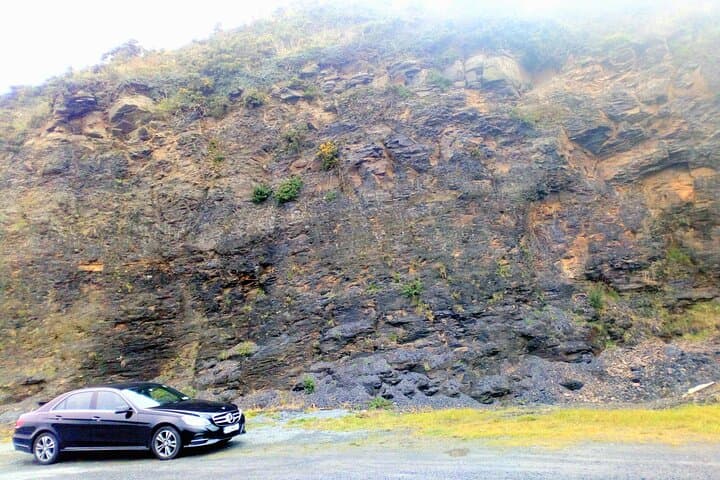
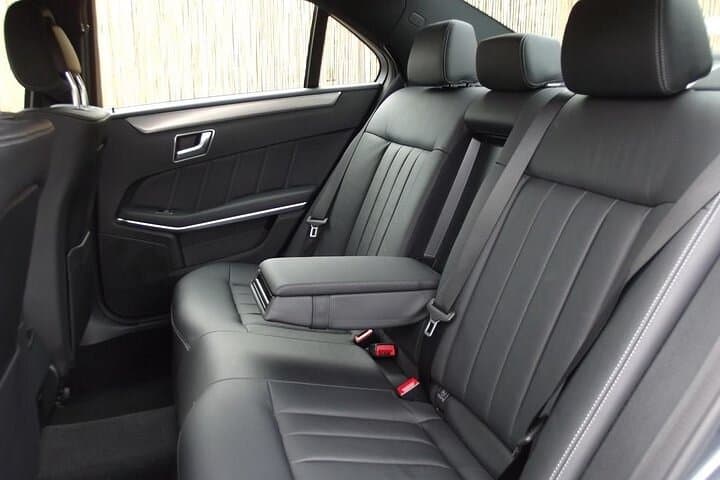
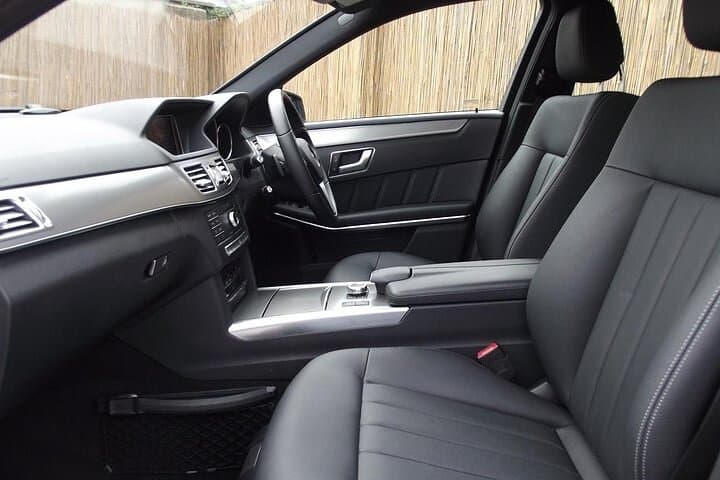
A private luxury transfer from Dublin puts the Giant’s Causeway within reach for a full-day adventure. Expect a 3-hour drive each way, two hours on site to explore the hexagonal basalt columns, and coastal scenery rich in geology and legend.
A private luxury transfer from Dublin puts the Giant’s Causeway within reach for a full-day adventure. Expect a 3-hour drive each way, two hours on site to explore the hexagonal basalt columns, and coastal scenery rich in geology and legend.
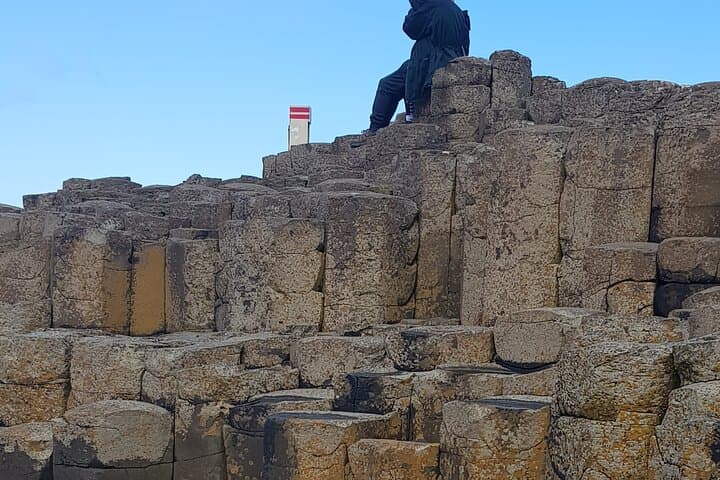
You arrive in County Antrim as the Atlantic wind pushes against the vehicle and the road eases into coastal cliffs. The Giant’s Causeway appears like a deliberate staircase of stone, six-sided columns stepping into the sea, waves daring you to walk their edge. Two hours here is enough to feel the geology and the place’s pulse—hexagonal columns, tidal pools, and sea-scrub that smells of salt and peat.
Verified experiences and guided adventures in the surrounding area.
Operated by Za Execs · Bushmills, County Antrim
You arrive in County Antrim as the Atlantic wind pushes against the vehicle and the road eases into coastal cliffs. The Giant’s Causeway appears like a deliberate staircase of stone, six-sided columns stepping into the sea, waves daring you to walk their edge. Two hours here is enough to feel the geology and the place’s pulse—hexagonal columns, tidal pools, and sea-scrub that smells of salt and peat.
Geology here is visible history: roughly 50–60 million years ago volcanic flows cooled into the basalt columns you see now. The site is Northern Ireland’s only UNESCO World Heritage natural site and carries both scientific and cultural layers—from the scientific explanation of cooled lava to the local legend of Finn MacCool, who supposedly built the causeway to Scotland.
Locally, small villages such as Bushmills and Portrush serve coffee shops and pubs where you can taste soda bread and hear stories about coastal fishing and whiskey-making. The Visitor Centre offers exhibits that put the stones in context and helps manage foot traffic to reduce erosion.
Practical guidance: wear sturdy, grippy footwear—the columns are uneven and slippery when wet. Bring a waterproof shell and allow time to move slowly; the best light is early morning or late afternoon when low sun highlights column faces. If you’re booking a private transfer from Dublin expect about a 3-hour drive each way; factor in restroom and lunch stops. For a calm, full-day experience, plan for tide and weather changes and bring water and layers—this is coastal Ireland where conditions can shift fast.
easy.
8–9 hours.
Suitable for most fitness levels; requires walking on uneven coastal rock for up to 1–2 hours
Access to the causeway is free by law, but the National Trust Visitor Centre charges for exhibitions, parking, and some services; tickets can be bought online or on arrival.
Driving time is approximately three hours each way under normal traffic conditions; plan for additional stops for food and restrooms.
Yes—paths near the Visitor Centre are suitable for families, but the uneven stones require supervision and stable footwear for children and seniors.
Yes—nearby attractions include Dunluce Castle, Carrick-a-Rede Rope Bridge, and coastal viewpoints; ask your driver-guide to include short stops if time allows.
The Causeway’s basalt columns formed from volcanic lava flows 50–60 million years ago; local folklore attributes the stones to the giant Finn MacCool.
Stay on marked paths and use the Visitor Centre facilities to reduce erosion; the National Trust manages the site to balance access with habitat protection.
Za Execs operates guided outdoor trips and adventures with an emphasis on safety, stewardship, and memorable experiences.
You arrive in County Antrim as the Atlantic wind pushes against the vehicle and the road eases into coastal cliffs. The Giant’s Causeway appears like a deliberate staircase of stone, six-sided columns stepping into the sea, waves daring you to walk their edge. Two hours here is enough to feel the geology and the place’s pulse—hexagonal columns, tidal pools, and sea-scrub that smells of salt and peat.
You arrive in County Antrim as the Atlantic wind pushes against the vehicle and the road eases into coastal cliffs. The Giant’s Causeway appears like a deliberate staircase of stone, six-sided columns stepping into the sea, waves daring you to walk their edge. Two hours here is enough to feel the geology and the place’s pulse—hexagonal columns, tidal pools, and sea-scrub that smells of salt and peat.
Geology here is visible history: roughly 50–60 million years ago volcanic flows cooled into the basalt columns you see now. The site is Northern Ireland’s only UNESCO World Heritage natural site and carries both scientific and cultural layers—from the scientific explanation of cooled lava to the local legend of Finn MacCool, who supposedly built the causeway to Scotland.
Locally, small villages such as Bushmills and Portrush serve coffee shops and pubs where you can taste soda bread and hear stories about coastal fishing and whiskey-making. The Visitor Centre offers exhibits that put the stones in context and helps manage foot traffic to reduce erosion.
Practical guidance: wear sturdy, grippy footwear—the columns are uneven and slippery when wet. Bring a waterproof shell and allow time to move slowly; the best light is early morning or late afternoon when low sun highlights column faces. If you’re booking a private transfer from Dublin expect about a 3-hour drive each way; factor in restroom and lunch stops. For a calm, full-day experience, plan for tide and weather changes and bring water and layers—this is coastal Ireland where conditions can shift fast.