THE ADVENTURE COLLECTIVE® · Independent discovery and booking for outdoor travel

Board an early train from Dublin and spend a full day exploring Blarney Castle’s battlements and the moving Queenstown Story at Cobh Heritage Centre. This rail-and-coach day trip combines historic sites, coastal views and compact walking tours—perfect for a single-day immersion into County Cork.
Board an early train from Dublin and spend a full day exploring Blarney Castle’s battlements and the moving Queenstown Story at Cobh Heritage Centre. This rail-and-coach day trip combines historic sites, coastal views and compact walking tours—perfect for a single-day immersion into County Cork.
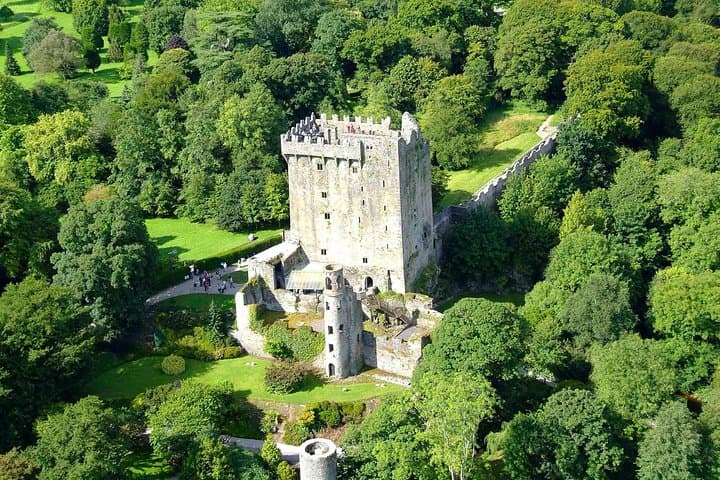
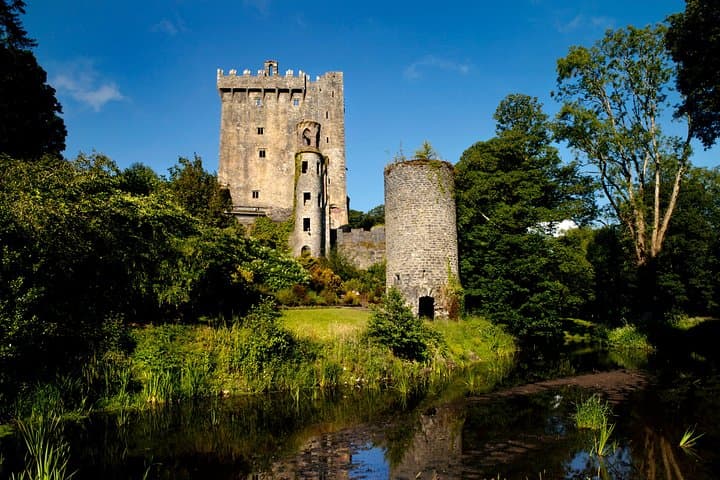
The day begins on a platform at Heuston Station before dawn, when commuters and travelers mingle under the glass roof and a yellow-jacketed host calls the group to the 07:00 departure. The train slides southwest through low farmland; fields and hedgerows blur into the limestone shoulders of Cork County. By mid-morning the crenellated silhouette of Blarney Castle rises through mist and lichen, its stone face cool and whispering with centuries of weather.
Verified experiences and guided adventures in the surrounding area.
Operated by Railtours Ireland First Class · Cork, County Cork
The day begins on a platform at Heuston Station before dawn, when commuters and travelers mingle under the glass roof and a yellow-jacketed host calls the group to the 07:00 departure. The train slides southwest through low farmland; fields and hedgerows blur into the limestone shoulders of Cork County. By mid-morning the crenellated silhouette of Blarney Castle rises through mist and lichen, its stone face cool and whispering with centuries of weather.
Blarney Castle—largely built in the 15th century—offers narrow spiral staircases, battlements and the famous Blarney Stone, a medieval flagstone whose legend promises eloquence to those willing to lean back and kiss it. The castle gardens are varied: rockeries, arboretum trails and viewpoints across the Avon river valley. Later the coach threadspast Cork city to Cóbh, the deep-water port once called Queenstown, where the Queenstown Story at the Cobh Heritage Centre recounts famine-era emigration, the Lusitania sinking and the town's role in maritime history.
Practically, this is a full 12‑hour outing combining reserved train seats and coach transfers; expect several short walks (up to 1–2 km at each stop, with steps and uneven terrain at the castle). Bring layered rain protection and sturdy shoes—stone steps and harbor breezes test footwear and patience alike. There’s a recommended lunch stop in Blarney Village; schedule is tight so carry snacks and any necessary meds.
Timing is key: check in 20 minutes before departure at Heuston. Mobility considerations: trains are wheelchair‑friendly but coaches require boarding steps. This day trip pairs Irish history with straightforward logistics—ideal for travelers who want cultural depth without the planning.
easy.
12 hours.
Basic fitness for multiple short walks and stair climbing; able to manage short bursts of standing and steps.
This is a 12‑hour day trip; check-in is 20 minutes before departure (typically 06:40) with a 07:00 train departure from Heuston Station.
Trains are wheelchair friendly but coaches are not and boarding involves steps; participants need some mobility to join the tour.
Yes—there is a recommended lunch stop in Blarney Village and limited free time for shopping, but the schedule is tight so plan accordingly.
Yes—both attraction admissions are included as part of the tour package.
Blarney Castle dates to the 15th century and has long been tied to local legends about eloquence; Cóbh (formerly Queenstown) was a major emigration port during the 19th-century famine and the final Irish port for the RMS Titanic.
Visitors should stick to marked paths to protect fragile garden plantings and coastal habitats; local organizations monitor visitor impact in the castle gardens and harbour areas.
Railtours Ireland First Class operates guided outdoor trips and adventures with an emphasis on safety, stewardship, and memorable experiences.


The day begins on a platform at Heuston Station before dawn, when commuters and travelers mingle under the glass roof and a yellow-jacketed host calls the group to the 07:00 departure. The train slides southwest through low farmland; fields and hedgerows blur into the limestone shoulders of Cork County. By mid-morning the crenellated silhouette of Blarney Castle rises through mist and lichen, its stone face cool and whispering with centuries of weather.
The day begins on a platform at Heuston Station before dawn, when commuters and travelers mingle under the glass roof and a yellow-jacketed host calls the group to the 07:00 departure. The train slides southwest through low farmland; fields and hedgerows blur into the limestone shoulders of Cork County. By mid-morning the crenellated silhouette of Blarney Castle rises through mist and lichen, its stone face cool and whispering with centuries of weather.
Blarney Castle—largely built in the 15th century—offers narrow spiral staircases, battlements and the famous Blarney Stone, a medieval flagstone whose legend promises eloquence to those willing to lean back and kiss it. The castle gardens are varied: rockeries, arboretum trails and viewpoints across the Avon river valley. Later the coach threadspast Cork city to Cóbh, the deep-water port once called Queenstown, where the Queenstown Story at the Cobh Heritage Centre recounts famine-era emigration, the Lusitania sinking and the town's role in maritime history.
Practically, this is a full 12‑hour outing combining reserved train seats and coach transfers; expect several short walks (up to 1–2 km at each stop, with steps and uneven terrain at the castle). Bring layered rain protection and sturdy shoes—stone steps and harbor breezes test footwear and patience alike. There’s a recommended lunch stop in Blarney Village; schedule is tight so carry snacks and any necessary meds.
Timing is key: check in 20 minutes before departure at Heuston. Mobility considerations: trains are wheelchair‑friendly but coaches require boarding steps. This day trip pairs Irish history with straightforward logistics—ideal for travelers who want cultural depth without the planning.