THE ADVENTURE COLLECTIVE® · Independent discovery and booking for outdoor travel

See Dublin’s central highlights in three hours with a private, guide-led walking or biking tour. Expect compact routes, cobbled lanes, and a mix of Viking, Georgian and modern Irish history.
See Dublin’s central highlights in three hours with a private, guide-led walking or biking tour. Expect compact routes, cobbled lanes, and a mix of Viking, Georgian and modern Irish history.
A cold wind off the Liffey pushes past the Ha’penny Bridge as the guide folds a map and points toward Dublin Castle — the city unfolds in a compact, walkable pulse. In three hours you move from Georgian squares to quayside ironwork, the guide threading Viking and Victorian stories through streets that keep reminding you they were once a port and a power center.
Verified experiences and guided adventures in the surrounding area.
Operated by WARMPENGUIN · Dublin, Dublin
A cold wind off the Liffey pushes past the Ha’penny Bridge as the guide folds a map and points toward Dublin Castle — the city unfolds in a compact, walkable pulse. In three hours you move from Georgian squares to quayside ironwork, the guide threading Viking and Victorian stories through streets that keep reminding you they were once a port and a power center.
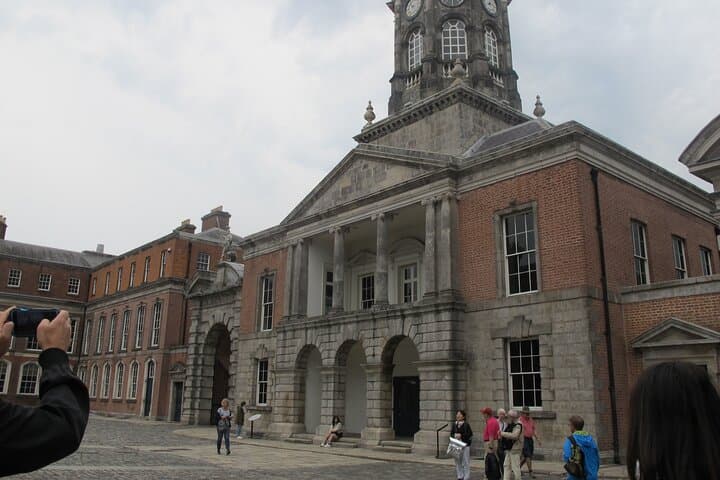
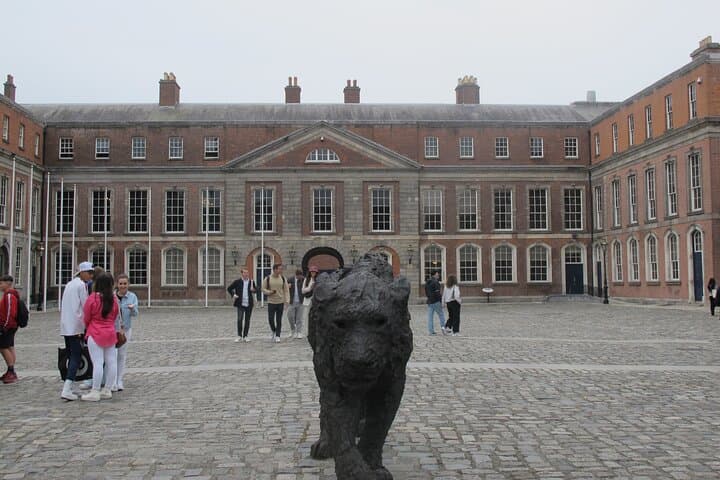
Dublin’s layers are obvious: Viking settlement along the river, Norman and Tudor fortifications that became Dublin Castle, and the Georgian era that reshaped streets like Merrion Square and Grafton Street. The city's geology is gentle — mostly low-lying clay and sand shaped by the River Liffey — so the tour is physically mild, but cobbles and narrow lanes require attention.
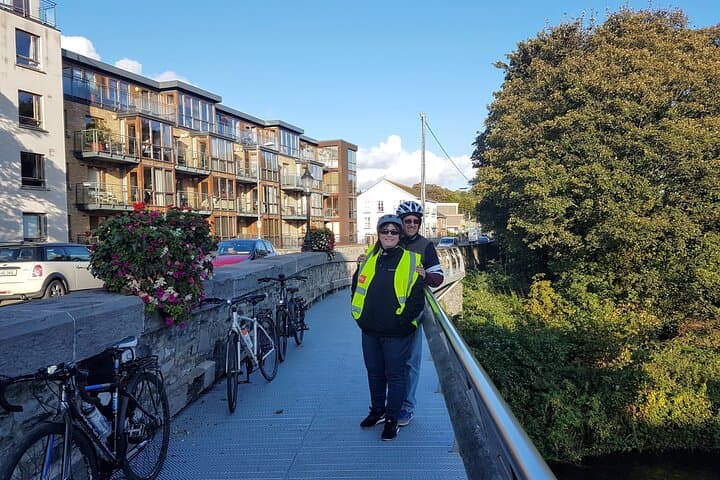
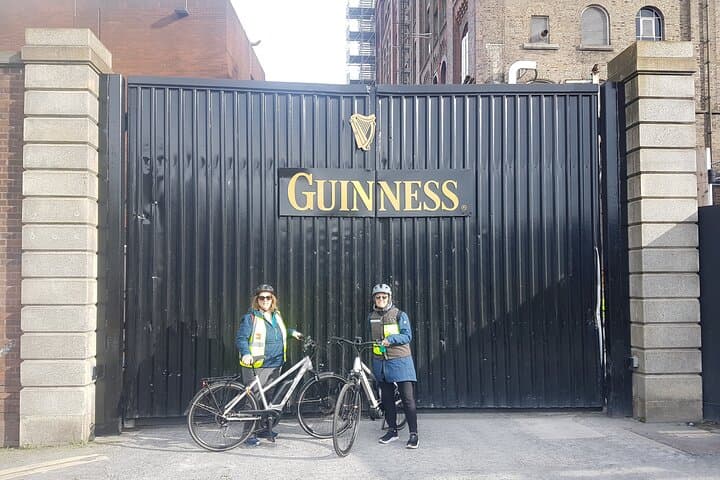
Culturally the tour balances national history with neighborhood life: Temple Bar’s market energy, the quieter gravitas of Christchurch and the memory of the Famine memorials. Those choosing the bike option will extend the route to parklands and industrial heritage along the Liffey Greenway — more ground covered, same context.
Practical guidance: expect 3 hours, roughly 3–5 km on foot or 10–15 km by city bike, mostly paved surfaces with short cobbled stretches. Wear sturdy shoes, dress for changeable weather, and bring a small daypack for water and layers. If you prefer a quieter pace, request more stops at museums or squares; if you want broader context, ask the guide for deeper dives into 20th-century independence history. The tour is private, guide-led, and suitable for most fitness levels — an efficient, readable introduction to Dublin’s streets and stories.
moderate.
3 hours.
Suitable for most fitness levels; walkers should be comfortable on 3–5 km of urban terrain, cyclists should be able to ride city bikes for up to 15 km.
The tour lasts three hours; expect about 3–5 km on foot or roughly 10–15 km by bike depending on route choices.
Bike option requires riders to be 17 or older and able to ride a city bike; children should join the walking tour unless otherwise arranged.
Full refund if canceled at least 24 hours before the scheduled departure.
This private tour focuses on external viewing and commentary; entry into paid attractions is not included but can be requested and arranged separately.
Dublin grew from a Viking trading settlement into a Norman administrative center and later a Georgian-era commercial hub; many central streets reflect successive waves of urban planning.
City walking and biking reduce visitor footprint; stick to sidewalks and designated bike lanes and support small local businesses to benefit neighborhood economies.
WARMPENGUIN operates guided outdoor trips and adventures with an emphasis on safety, stewardship, and memorable experiences.
A cold wind off the Liffey pushes past the Ha’penny Bridge as the guide folds a map and points toward Dublin Castle — the city unfolds in a compact, walkable pulse. In three hours you move from Georgian squares to quayside ironwork, the guide threading Viking and Victorian stories through streets that keep reminding you they were once a port and a power center.
A cold wind off the Liffey pushes past the Ha’penny Bridge as the guide folds a map and points toward Dublin Castle — the city unfolds in a compact, walkable pulse. In three hours you move from Georgian squares to quayside ironwork, the guide threading Viking and Victorian stories through streets that keep reminding you they were once a port and a power center.
Dublin’s layers are obvious: Viking settlement along the river, Norman and Tudor fortifications that became Dublin Castle, and the Georgian era that reshaped streets like Merrion Square and Grafton Street. The city's geology is gentle — mostly low-lying clay and sand shaped by the River Liffey — so the tour is physically mild, but cobbles and narrow lanes require attention.
Culturally the tour balances national history with neighborhood life: Temple Bar’s market energy, the quieter gravitas of Christchurch and the memory of the Famine memorials. Those choosing the bike option will extend the route to parklands and industrial heritage along the Liffey Greenway — more ground covered, same context.
Practical guidance: expect 3 hours, roughly 3–5 km on foot or 10–15 km by city bike, mostly paved surfaces with short cobbled stretches. Wear sturdy shoes, dress for changeable weather, and bring a small daypack for water and layers. If you prefer a quieter pace, request more stops at museums or squares; if you want broader context, ask the guide for deeper dives into 20th-century independence history. The tour is private, guide-led, and suitable for most fitness levels — an efficient, readable introduction to Dublin’s streets and stories.