THE ADVENTURE COLLECTIVE® · Independent discovery and booking for outdoor travel

Walk Dublin’s Docklands with a historian and follow the arc of the Great Irish Famine from memorials to the Jeanie Johnston ship. Add skip-the-line access to EPIC for a deeper look at emigration stories.
Walk Dublin’s Docklands with a historian and follow the arc of the Great Irish Famine from memorials to the Jeanie Johnston ship. Add skip-the-line access to EPIC for a deeper look at emigration stories.
A grey morning on Suffolk Street feels deliberate: the River Liffey pushes a cool breath through the docklands while a guide gathers the group beside the Molly Malone statue. The city’s stone and steel press close, and the first stories arrive — of farms failing, food exports continuing, and people choosing impossible departures.
Verified experiences and guided adventures in the surrounding area.
Operated by Rosotravel - Ireland City Tours · Dublin, Dublin
A grey morning on Suffolk Street feels deliberate: the River Liffey pushes a cool breath through the docklands while a guide gathers the group beside the Molly Malone statue. The city’s stone and steel press close, and the first stories arrive — of farms failing, food exports continuing, and people choosing impossible departures.
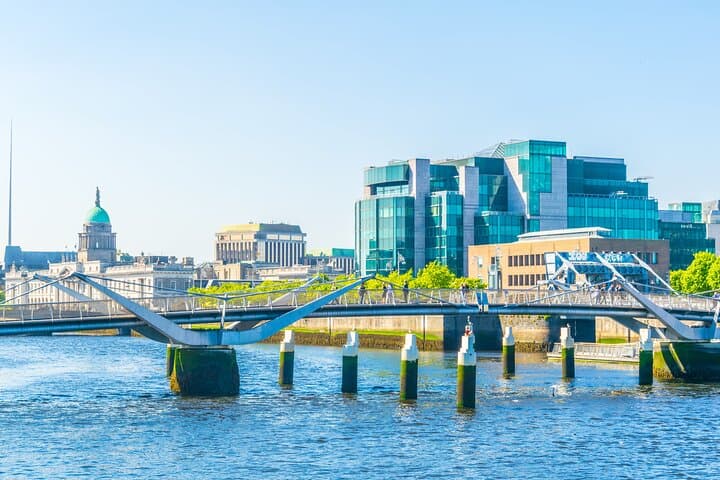
The tour moves at an urban pace: mostly flat pavement and cobbled quays, short climbs over footbridges, roughly 2–3 km for the 2-hour option and up to 4–5 km if EPIC and transfers are included. Stops include the Famine Memorial, the Custom House Quay, Trinity College approaches and the Jeanie Johnston tall ship — each place a chapter in emigration, economic policy and local resilience.
Geology here is subtle: reclaimed docklands, limestone under central Dublin and the engineered banks of the Liffey shaping trade. Culturally, the route ties 19th-century trauma to modern Irish diaspora stories; EPIC’s interactive exhibits extend that arc indoors, showing personal migration histories and transatlantic links.
Practical guidance: wear grippy shoes for cobbles, bring a compact rain layer (weather shifts quickly), and allow extra time for the museum slot when booked. The 3.5–4.5 hour options include private transfers; expect short vehicle segments and clear meeting/drop-off logistics.
For travelers who want history with an on-foot city pulse, the tour balances narrative depth and accessibility — a measured, informative walk through one of Dublin’s most charged historic corridors.
easy.
2–4.5 hours.
Suitable for most fitness levels; requires standing and walking up to 4–5 km with frequent stops.
Skip-the-line EPIC tickets are included only in the 3.5- and 4.5-hour options; the 2-hour option is walking-only.
The tour meets beside the Molly Malone statue outside St. Andrew’s Church on Suffolk Street, Dublin 2 (D02 KX03).
Yes—transport, many stops and surfaces are wheelchair accessible; advise the operator of specific accessibility needs when booking.
Tipping is discretionary; a customary 10–15% for excellent private guide service is appreciated but not required.
The Great Famine (1845–1852) precipitated mass emigration from Ireland and reshaped Dublin’s social and economic landscape; monuments and ships along the docklands mark departure and loss.
EPIC and local heritage groups emphasize preserving personal stories and minimizing visitor impact; stick to pathways and avoid touching interpretive exhibits to help conservation efforts.
Rosotravel - Ireland City Tours operates guided outdoor trips and adventures with an emphasis on safety, stewardship, and memorable experiences.

A grey morning on Suffolk Street feels deliberate: the River Liffey pushes a cool breath through the docklands while a guide gathers the group beside the Molly Malone statue. The city’s stone and steel press close, and the first stories arrive — of farms failing, food exports continuing, and people choosing impossible departures.
A grey morning on Suffolk Street feels deliberate: the River Liffey pushes a cool breath through the docklands while a guide gathers the group beside the Molly Malone statue. The city’s stone and steel press close, and the first stories arrive — of farms failing, food exports continuing, and people choosing impossible departures.
The tour moves at an urban pace: mostly flat pavement and cobbled quays, short climbs over footbridges, roughly 2–3 km for the 2-hour option and up to 4–5 km if EPIC and transfers are included. Stops include the Famine Memorial, the Custom House Quay, Trinity College approaches and the Jeanie Johnston tall ship — each place a chapter in emigration, economic policy and local resilience.
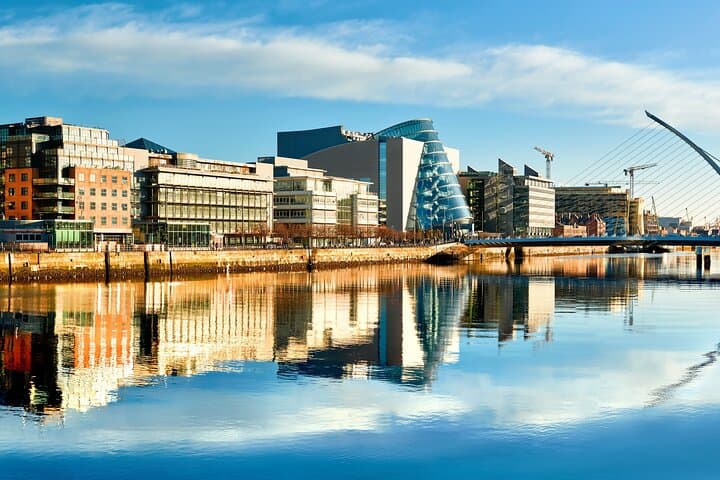
Geology here is subtle: reclaimed docklands, limestone under central Dublin and the engineered banks of the Liffey shaping trade. Culturally, the route ties 19th-century trauma to modern Irish diaspora stories; EPIC’s interactive exhibits extend that arc indoors, showing personal migration histories and transatlantic links.
Practical guidance: wear grippy shoes for cobbles, bring a compact rain layer (weather shifts quickly), and allow extra time for the museum slot when booked. The 3.5–4.5 hour options include private transfers; expect short vehicle segments and clear meeting/drop-off logistics.
For travelers who want history with an on-foot city pulse, the tour balances narrative depth and accessibility — a measured, informative walk through one of Dublin’s most charged historic corridors.