THE ADVENTURE COLLECTIVE® · Independent discovery and booking for outdoor travel

Taste your way through central Dublin on a two-hour walking tour that pairs artisan donuts and churros with stories of Vikings, the 1916 Rising, and riverside life. Ideal for food lovers who also want a concise history lesson.
Taste your way through central Dublin on a two-hour walking tour that pairs artisan donuts and churros with stories of Vikings, the 1916 Rising, and riverside life. Ideal for food lovers who also want a concise history lesson.
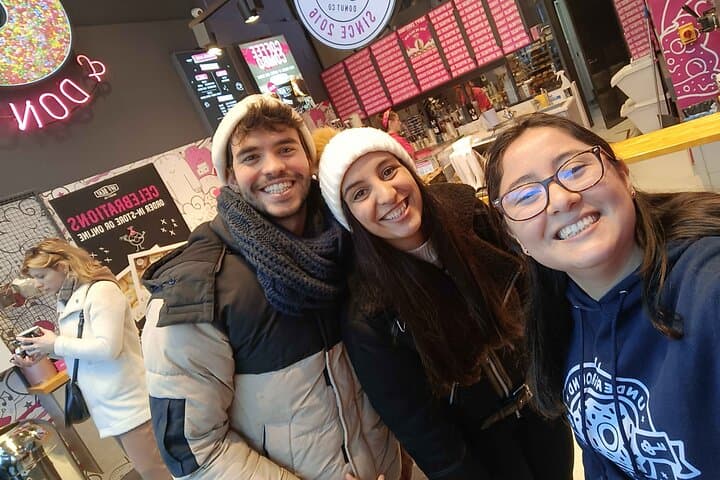
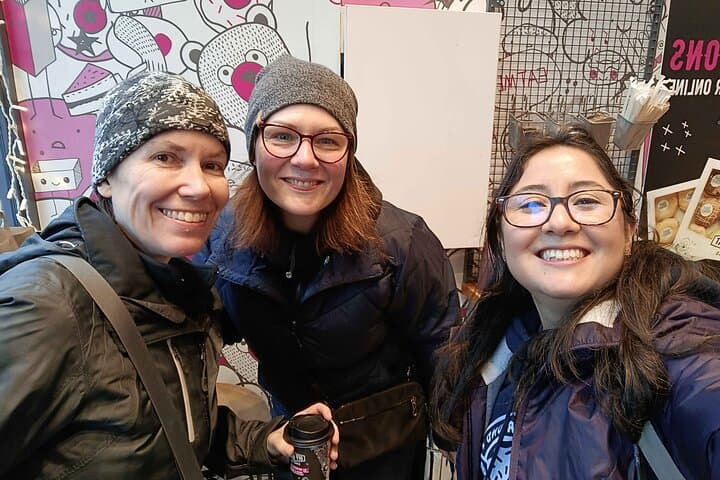
The morning opens near St. Stephen’s Green with warm glaze on your fingers and the city unfolding around you—Georgian squares, tram lines, and the River Liffey daring you to cross for another sweet stop.
Verified experiences and guided adventures in the surrounding area.
Operated by Underground Donut Tour · Dublin, Dublin
The morning opens near St. Stephen’s Green with warm glaze on your fingers and the city unfolding around you—Georgian squares, tram lines, and the River Liffey daring you to cross for another sweet stop.
This two-hour, roughly two-mile walking tour threads pastry sampling with local history. Guides point out Dublin Castle and the statue of Luke Kelly as touchstones to the city’s Viking roots and later rebellions; the walk up O'Connell Street provides context for the 1916 Rising while Temple Bar and the quays show Dublin’s mercantile evolution along the Liffey. Geology is subtle here—granite quays, reclaimed riverbanks and the low, glaciated plain that made Dublin a natural port.
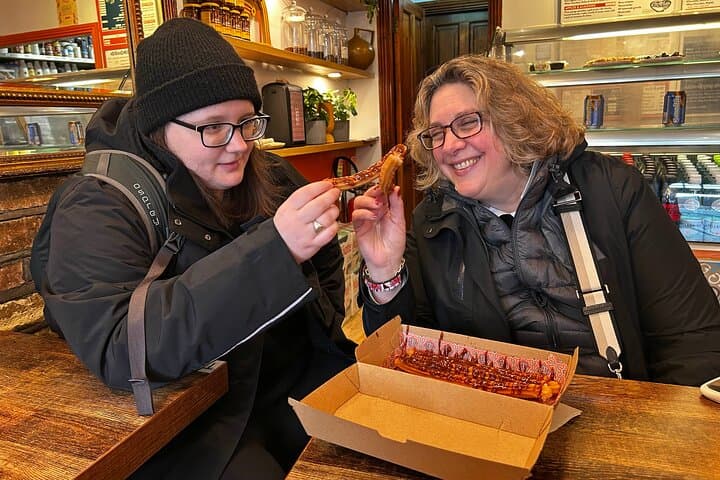
Practically, expect four short tasting stops: a longstanding donut shop near the green, a churro vendor, a hot donut stall by the quays, and an independent maker on Westmoreland Street—each stop runs about 10–15 minutes. The route stays on paved sidewalks with occasional cobbles; elevation change is negligible but watch for tram tracks and city traffic.
Bring light rain protection, comfortable walking shoes, and room in your stomach; tastings are generous and not all gluten-free. Start earlier on weekends to avoid peak tourist crowds and keep a reusable water bottle—sugar hits come fast. Public transport options are plentiful nearby if you want to cut the walk short. It’s an accessible way to pair urban history with local flavors and learn why Dublin’s streets taste as lively as they read.
easy.
2 hours.
Light: suitable for people who can walk about 2 miles with short standing breaks
The meeting point is near St. Stephen’s Green at The Rolling Donut; the operator confirms the precise address and meeting marker on booking.
Yes; the route is on paved city streets and is stroller-accessible, though some sidewalks and crossings can be busy.
Vendors vary—notify the booking agent ahead of time and guides will advise which stops can accommodate allergies or preferences.
Full refunds are available if you cancel at least 24 hours before the scheduled departure; check your booking confirmation for specifics.
Dublin grew from a Viking settlement on the Liffey; central sites like Dublin Castle and O'Connell Street later became focal points during the 1916 Rising and Ireland’s push for independence.
The tour operates in a busy urban core—support local businesses, use reusable containers, and follow Leave No Trace principles for city environments.
Underground Donut Tour operates guided outdoor trips and adventures with an emphasis on safety, stewardship, and memorable experiences.

The morning opens near St. Stephen’s Green with warm glaze on your fingers and the city unfolding around you—Georgian squares, tram lines, and the River Liffey daring you to cross for another sweet stop.
The morning opens near St. Stephen’s Green with warm glaze on your fingers and the city unfolding around you—Georgian squares, tram lines, and the River Liffey daring you to cross for another sweet stop.
This two-hour, roughly two-mile walking tour threads pastry sampling with local history. Guides point out Dublin Castle and the statue of Luke Kelly as touchstones to the city’s Viking roots and later rebellions; the walk up O'Connell Street provides context for the 1916 Rising while Temple Bar and the quays show Dublin’s mercantile evolution along the Liffey. Geology is subtle here—granite quays, reclaimed riverbanks and the low, glaciated plain that made Dublin a natural port.
Practically, expect four short tasting stops: a longstanding donut shop near the green, a churro vendor, a hot donut stall by the quays, and an independent maker on Westmoreland Street—each stop runs about 10–15 minutes. The route stays on paved sidewalks with occasional cobbles; elevation change is negligible but watch for tram tracks and city traffic.
Bring light rain protection, comfortable walking shoes, and room in your stomach; tastings are generous and not all gluten-free. Start earlier on weekends to avoid peak tourist crowds and keep a reusable water bottle—sugar hits come fast. Public transport options are plentiful nearby if you want to cut the walk short. It’s an accessible way to pair urban history with local flavors and learn why Dublin’s streets taste as lively as they read.