THE ADVENTURE COLLECTIVE® · Independent discovery and booking for outdoor travel

Explore Dublin’s core on a private three‑hour walking tour that visits St. Patrick’s Cathedral, Dublin Castle, Trinity College and Temple Bar. Perfect for travelers who want history, architecture and culture delivered by an expert local guide.
Explore Dublin’s core on a private three‑hour walking tour that visits St. Patrick’s Cathedral, Dublin Castle, Trinity College and Temple Bar. Perfect for travelers who want history, architecture and culture delivered by an expert local guide.
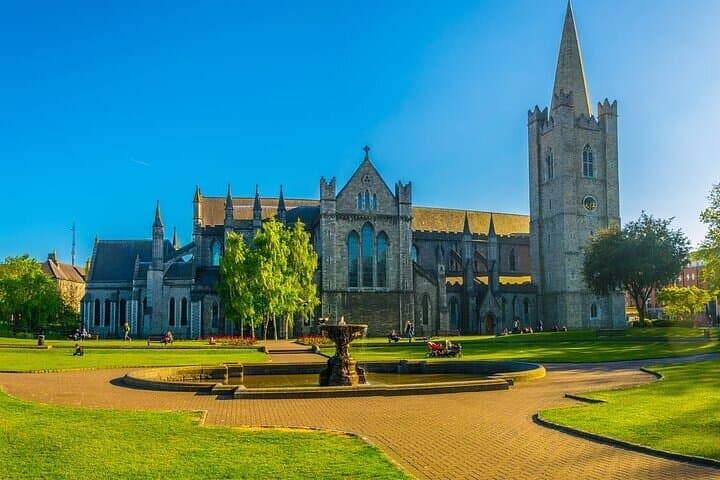
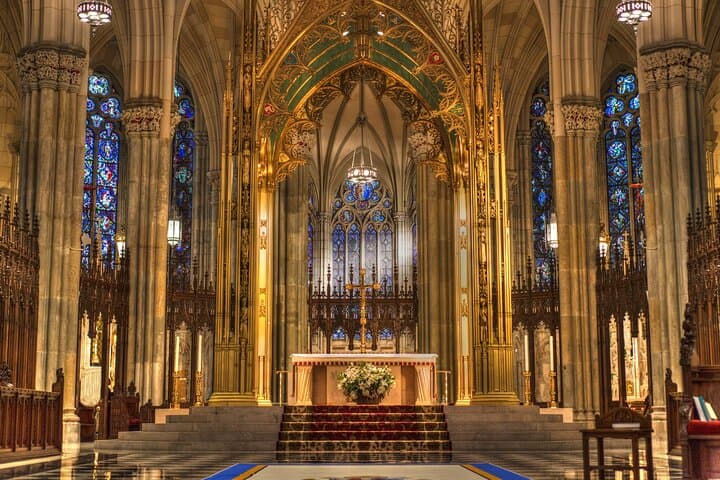
You step onto uneven cobbles and the city immediately answers — the River Liffey threads ahead, daring you toward bridges that have witnessed centuries of traffic and talk. A private guide gestures up at a spire; sunlight fragments through stained glass in St. Patrick’s Cathedral, throwing color across stone and visitors as if the past is still rearranging itself.
Verified experiences and guided adventures in the surrounding area.
Operated by Raphael Tours & Events · Dublin, County Dublin
You step onto uneven cobbles and the city immediately answers — the River Liffey threads ahead, daring you toward bridges that have witnessed centuries of traffic and talk. A private guide gestures up at a spire; sunlight fragments through stained glass in St. Patrick’s Cathedral, throwing color across stone and visitors as if the past is still rearranging itself.
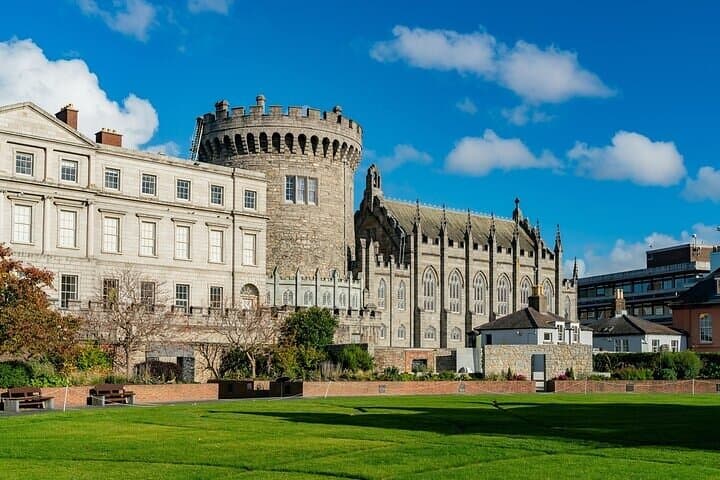
This three‑hour circuit traces Dublin’s political and educational heart: St. Patrick’s Cathedral (founded 1191), the layered shells of Dublin Castle from its Norman beginnings, and Trinity College, founded 1592, with Georgian facades and quiet cobble courts. Temple Bar supplies the cultural counterpoint — street art, busy pubs, and the small theatres that keep Dublin’s storytelling alive.
Geologically, Dublin sits on low limestone and reclaimed marshland shaped by the Liffey’s tidal reach; the city’s layout reflects medieval lanes and later Georgian planning. Culturally, expect conversation about rebellion and literature as easily as architecture — Dublin’s history is civic and intimate at once.
Practical guidance: the route is mostly flat but cobbles and short stair sections require steady shoes and a cautious step. The tour includes admission to St. Patrick’s Cathedral and is private, making it ideal for customizable pacing and questions. Wear a waterproof layer — weather changes fast — and bring a charged phone for photos and quick map checks. Tours start centrally; arrive 10 minutes early to find your guide. This is an accessible, low‑impact way to see Dublin’s essentials while learning local stories that don’t appear on postcards.
easy.
3 hours.
Suitable for people of average mobility who can walk for a few hours on uneven surfaces
Meeting details are provided on booking; tours typically start centrally near Trinity College or a pre-arranged central point — arrive 10 minutes early.
Admission to St. Patrick’s Cathedral is included; interior visits to other sites are described but not always included unless specified.
Yes — the tour is rated easy and can be paced for families and those preferring a gentler walk, though cobbles may be challenging for some.
Private format allows tailoring topics (literature, architecture, politics) — tell your guide preferences when booking or at the start.
Dublin’s core developed from a 9th–12th century Viking and Norman mix; the castle began as a Norman fortification and later housed British administration for centuries.
Respect listed buildings and keep to paths and public squares; support local guide services and small businesses to ensure tourism benefits the city.
Raphael Tours & Events operates guided outdoor trips and adventures with an emphasis on safety, stewardship, and memorable experiences.
You step onto uneven cobbles and the city immediately answers — the River Liffey threads ahead, daring you toward bridges that have witnessed centuries of traffic and talk. A private guide gestures up at a spire; sunlight fragments through stained glass in St. Patrick’s Cathedral, throwing color across stone and visitors as if the past is still rearranging itself.
You step onto uneven cobbles and the city immediately answers — the River Liffey threads ahead, daring you toward bridges that have witnessed centuries of traffic and talk. A private guide gestures up at a spire; sunlight fragments through stained glass in St. Patrick’s Cathedral, throwing color across stone and visitors as if the past is still rearranging itself.
This three‑hour circuit traces Dublin’s political and educational heart: St. Patrick’s Cathedral (founded 1191), the layered shells of Dublin Castle from its Norman beginnings, and Trinity College, founded 1592, with Georgian facades and quiet cobble courts. Temple Bar supplies the cultural counterpoint — street art, busy pubs, and the small theatres that keep Dublin’s storytelling alive.
Geologically, Dublin sits on low limestone and reclaimed marshland shaped by the Liffey’s tidal reach; the city’s layout reflects medieval lanes and later Georgian planning. Culturally, expect conversation about rebellion and literature as easily as architecture — Dublin’s history is civic and intimate at once.
Practical guidance: the route is mostly flat but cobbles and short stair sections require steady shoes and a cautious step. The tour includes admission to St. Patrick’s Cathedral and is private, making it ideal for customizable pacing and questions. Wear a waterproof layer — weather changes fast — and bring a charged phone for photos and quick map checks. Tours start centrally; arrive 10 minutes early to find your guide. This is an accessible, low‑impact way to see Dublin’s essentials while learning local stories that don’t appear on postcards.