THE ADVENTURE COLLECTIVE® · Independent discovery and booking for outdoor travel

Walk the banks of Dubai Creek from Al Fahidi Fort through Indian and spice markets, cross by abra and sample shawarma, camel-milk ice cream and a secret mutton kebab recipe. This three-hour tour pairs history with hands-on tasting.
Walk the banks of Dubai Creek from Al Fahidi Fort through Indian and spice markets, cross by abra and sample shawarma, camel-milk ice cream and a secret mutton kebab recipe. This three-hour tour pairs history with hands-on tasting.
The call to the Creek arrives in the late afternoon: salt-tinged air, the wooden thump of abras, and alleyways that narrow like pages in an old ledger. You meet in front of Al Fahidi Fort and step into a rhythm of trade — textiles, spice sacks, the sizzle from a street cart — that has driven Dubai long before skyscrapers.
Verified experiences and guided adventures in the surrounding area.
Operated by Ute Kostle · Dubai, Dubai
The call to the Creek arrives in the late afternoon: salt-tinged air, the wooden thump of abras, and alleyways that narrow like pages in an old ledger. You meet in front of Al Fahidi Fort and step into a rhythm of trade — textiles, spice sacks, the sizzle from a street cart — that has driven Dubai long before skyscrapers.
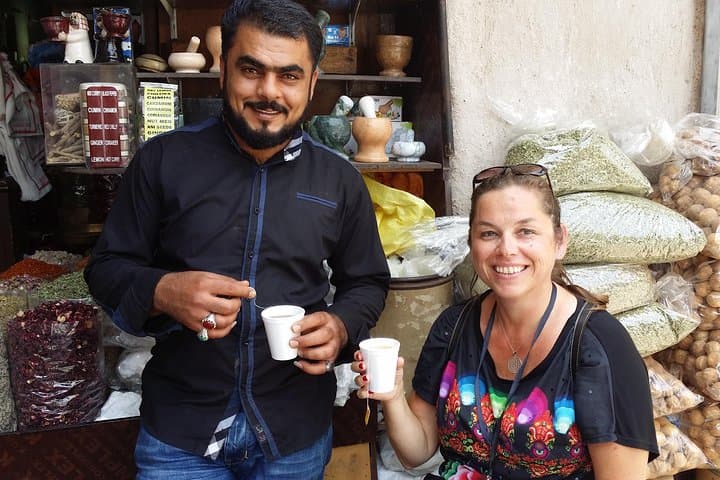
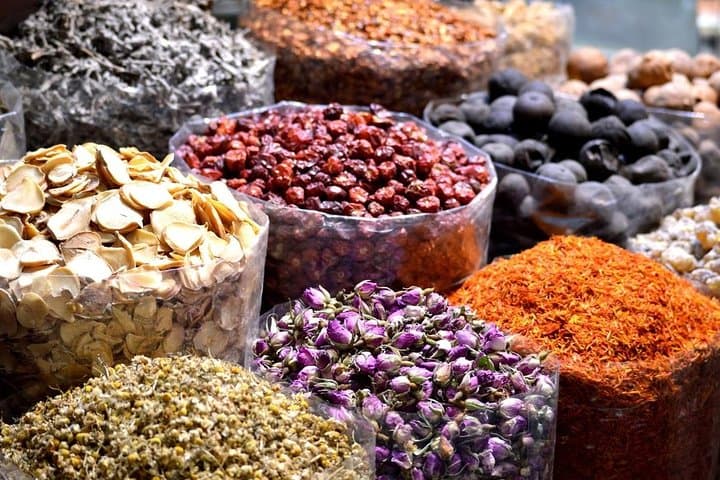
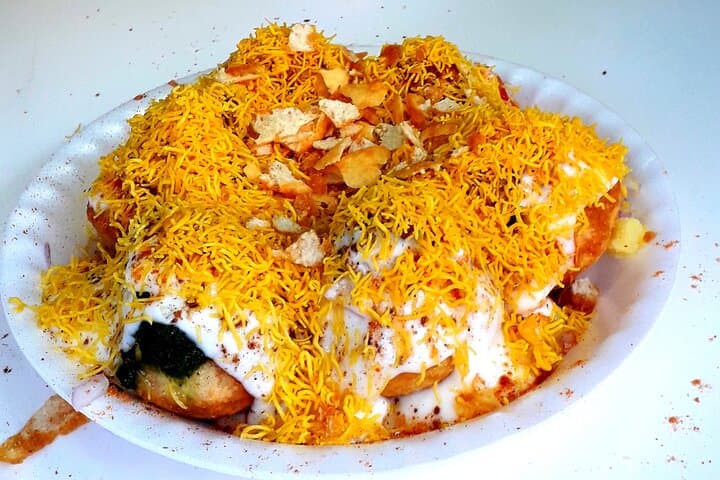
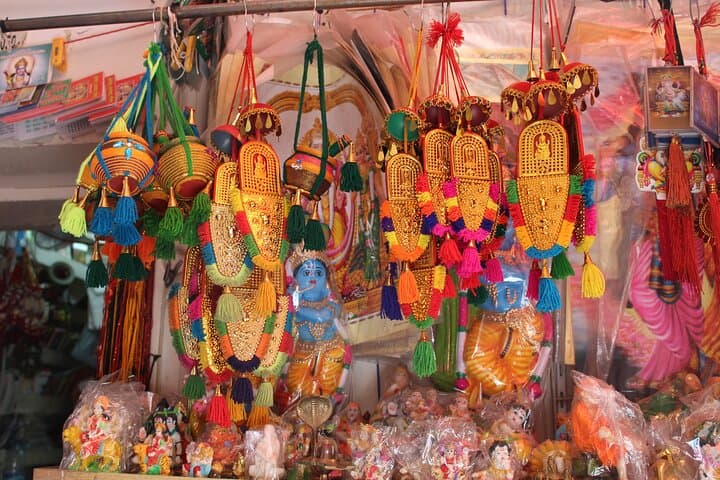
This three-hour walk traces the city’s living history. Dubai Creek sliced the coastal plain, making shallow tidal basins that supported pearling and created trading channels to India and Iran; those ties are visible in the markets and the flavors. Expect Indian snacks in Souq Al Khabeer, camel-milk ice cream after a short abra crossing, and intense aromas in the Spice Souq where merchants explain saffron, frankincense and regional blends. The Gold and Perfume Souqs show commerce’s continuing role in local life, while an old restaurant serves a secret mutton kebab recipe amid walls of banknotes and press clippings.
Practical side: the route is flat but often crowded; wear comfortable shoes and carry cash for small purchases. Tours start around 5 p.m., which avoids the hottest hours and highlights the Creek’s evening trade. The experience includes bottled water, multiple tastings and at least two short boat crossings. Note: the tour includes meat-centric dishes and is not suitable for strict vegetarians or vegans. Bring a light scarf for modesty in traditional areas, keep hydrated, and follow guide advice when sampling street food. This is a sensory, low-impact way to read Dubai’s past through its street-level tastes and trades.
easy.
3 hours.
Suitable for most fitness levels; involves 2–3 miles of urban walking on flat, sometimes crowded streets.
The tour lasts about 3 hours and covers roughly 2–3 miles of mostly flat urban walking with short boat crossings by abra.
Multiple tastings are included (shawarma, sweets, camel-milk ice cream, mutton kebab); the itinerary is meat-forward and not suitable for strict vegetarians or vegans.
Meet at the main entrance of Dubai Museum (Al Fahidi Fort); Al Fahidi Metro station and taxi services are within a 5–10 minute walk.
Yes—infants and small children can use strollers, but some market alleys are narrow and crowded, so mobility can be limited.
Dubai Creek was the city’s original economic artery—pearling and trade with India and Persia shaped the settlements that became modern Dubai.
Market activity is low-impact but avoid single-use plastics where possible; support local merchants by buying small, authentic items rather than mass-produced souvenirs.
Ute Kostle operates guided outdoor trips and adventures with an emphasis on safety, stewardship, and memorable experiences.
The call to the Creek arrives in the late afternoon: salt-tinged air, the wooden thump of abras, and alleyways that narrow like pages in an old ledger. You meet in front of Al Fahidi Fort and step into a rhythm of trade — textiles, spice sacks, the sizzle from a street cart — that has driven Dubai long before skyscrapers.
The call to the Creek arrives in the late afternoon: salt-tinged air, the wooden thump of abras, and alleyways that narrow like pages in an old ledger. You meet in front of Al Fahidi Fort and step into a rhythm of trade — textiles, spice sacks, the sizzle from a street cart — that has driven Dubai long before skyscrapers.
This three-hour walk traces the city’s living history. Dubai Creek sliced the coastal plain, making shallow tidal basins that supported pearling and created trading channels to India and Iran; those ties are visible in the markets and the flavors. Expect Indian snacks in Souq Al Khabeer, camel-milk ice cream after a short abra crossing, and intense aromas in the Spice Souq where merchants explain saffron, frankincense and regional blends. The Gold and Perfume Souqs show commerce’s continuing role in local life, while an old restaurant serves a secret mutton kebab recipe amid walls of banknotes and press clippings.
Practical side: the route is flat but often crowded; wear comfortable shoes and carry cash for small purchases. Tours start around 5 p.m., which avoids the hottest hours and highlights the Creek’s evening trade. The experience includes bottled water, multiple tastings and at least two short boat crossings. Note: the tour includes meat-centric dishes and is not suitable for strict vegetarians or vegans. Bring a light scarf for modesty in traditional areas, keep hydrated, and follow guide advice when sampling street food. This is a sensory, low-impact way to read Dubai’s past through its street-level tastes and trades.