THE ADVENTURE COLLECTIVE® · Independent discovery and booking for outdoor travel

Combine a compact morning through Dubai’s historic creekside and modern landmarks with an adrenaline-charged desert safari at sunset. This shore excursion pairs cultural stops—Al Fahidi Fort, Jumeirah Mosque, Palm Islands—with dune-bashing, camel rides, and a Bedouin-style dinner under desert sky.
Combine a compact morning through Dubai’s historic creekside and modern landmarks with an adrenaline-charged desert safari at sunset. This shore excursion pairs cultural stops—Al Fahidi Fort, Jumeirah Mosque, Palm Islands—with dune-bashing, camel rides, and a Bedouin-style dinner under desert sky.
You step off the ship into a city that rearranged itself around opportunity: glittering glass towers to the west, the low-lying lanes of Old Dubai to the east, and the desert waiting like a slow-moving force beyond the skyline. The day begins amid the stone and wind of Al Fahidi Fort and the shallow tide of Dubai Creek, then pivots toward dunes that push the horizon into motion.
Verified experiences and guided adventures in the surrounding area.
Operated by Rayna Tourism · Dubai, Dubai
You step off the ship into a city that rearranged itself around opportunity: glittering glass towers to the west, the low-lying lanes of Old Dubai to the east, and the desert waiting like a slow-moving force beyond the skyline. The day begins amid the stone and wind of Al Fahidi Fort and the shallow tide of Dubai Creek, then pivots toward dunes that push the horizon into motion.
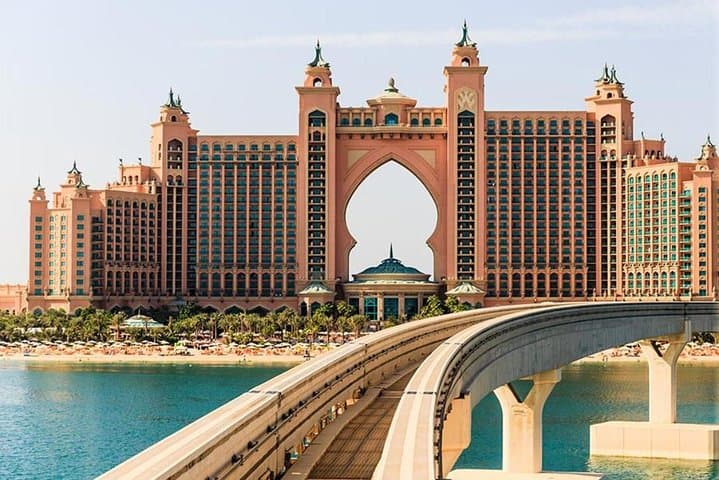
History and culture are compact on this route. Al Fahidi Fort houses the Dubai Museum and shows the city before oil—pearling, trade, and the rhythm of the creek that split Bur Dubai and Deira. Modern feats—Burj Al Arab’s sail, the engineered sweep of the Palm and Atlantis—sit alongside these older neighborhoods, offering a quick lesson in Dubai’s late but rapid urban rise.
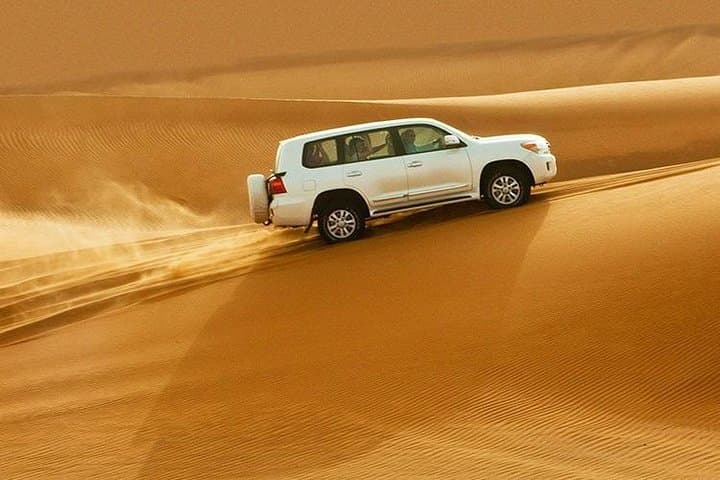
Geology is simple and immediate: the Arabian Desert’s sand, shaped by wind into steep ridges, makes dune-bashing possible and photography dramatic at sunset. The desert portion borrows Bedouin traditions—camel riding, Arabic coffee, henna, shisha—and performs cultural dances like tanoura and belly dance for visitors.
Practical guidance: expect a long day (about 10 hours) with hotel pickup and drop-off; morning city sights are mostly walking and photo stops, while the evening requires a short 4x4 transfer and light walking in sand. Bring sun protection, closed-toe shoes for dune activities, and extra water. Note health advisories: not recommended for pregnant travelers or those with spinal or serious heart conditions. During Ramadan, some entertainment and alcohol service are modified. Plan for flexible timing—the desert’s light is best at sunset, and the city’s heat is most manageable in the morning.
moderate.
10 hours.
Moderate endurance for a long day: short walks, standing for photos, brief camel rides and light sand walking; suitable for most active travelers.
The full shore excursion runs about 10 hours, typically a morning city tour followed by an evening desert safari with hotel pickup and drop-off.
Children usually enjoy camel rides and short walks, but dune-bashing can be intense; check age and restraint policies with the operator and choose gentler seating if needed.
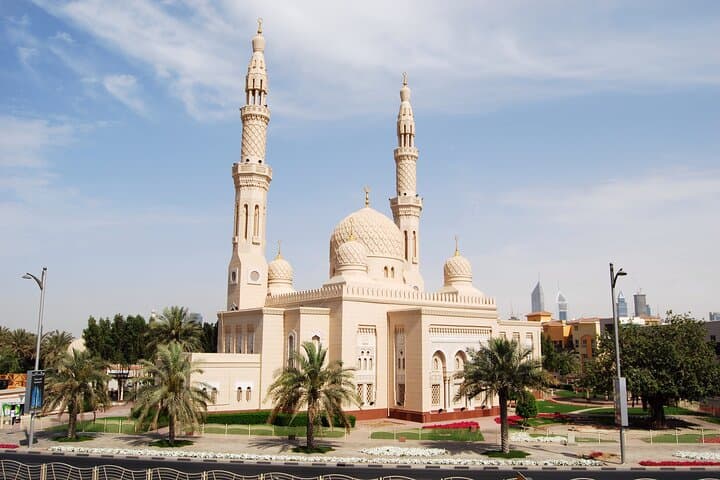
Yes—Jumeirah Mosque accepts non-Muslim visitors but requires modest dress; women should bring a scarf to cover shoulders and hair if requested.
From the first day of Ramadan, belly dance performances and alcohol service may be suspended; shisha and some shows like tanoura may continue—confirm details when booking.
Dubai grew from pearling and trading ports centered on Dubai Creek; Al Fahidi Fort (18th century) now houses the city museum documenting this transformation after oil wealth accelerated modernization.
Desert excursions impact fragile dune habitats—stick to established tracks during 4x4 runs, avoid littering, and support operators who practice sand restoration and responsible waste management.
Rayna Tourism operates guided outdoor trips and adventures with an emphasis on safety, stewardship, and memorable experiences.
You step off the ship into a city that rearranged itself around opportunity: glittering glass towers to the west, the low-lying lanes of Old Dubai to the east, and the desert waiting like a slow-moving force beyond the skyline. The day begins amid the stone and wind of Al Fahidi Fort and the shallow tide of Dubai Creek, then pivots toward dunes that push the horizon into motion.
You step off the ship into a city that rearranged itself around opportunity: glittering glass towers to the west, the low-lying lanes of Old Dubai to the east, and the desert waiting like a slow-moving force beyond the skyline. The day begins amid the stone and wind of Al Fahidi Fort and the shallow tide of Dubai Creek, then pivots toward dunes that push the horizon into motion.
History and culture are compact on this route. Al Fahidi Fort houses the Dubai Museum and shows the city before oil—pearling, trade, and the rhythm of the creek that split Bur Dubai and Deira. Modern feats—Burj Al Arab’s sail, the engineered sweep of the Palm and Atlantis—sit alongside these older neighborhoods, offering a quick lesson in Dubai’s late but rapid urban rise.
Geology is simple and immediate: the Arabian Desert’s sand, shaped by wind into steep ridges, makes dune-bashing possible and photography dramatic at sunset. The desert portion borrows Bedouin traditions—camel riding, Arabic coffee, henna, shisha—and performs cultural dances like tanoura and belly dance for visitors.
Practical guidance: expect a long day (about 10 hours) with hotel pickup and drop-off; morning city sights are mostly walking and photo stops, while the evening requires a short 4x4 transfer and light walking in sand. Bring sun protection, closed-toe shoes for dune activities, and extra water. Note health advisories: not recommended for pregnant travelers or those with spinal or serious heart conditions. During Ramadan, some entertainment and alcohol service are modified. Plan for flexible timing—the desert’s light is best at sunset, and the city’s heat is most manageable in the morning.