THE ADVENTURE COLLECTIVE® · Independent discovery and booking for outdoor travel

A compact private tour that stitches Dubai’s historic creekside culture to its modern icons — the Dubai Frame, a Palm Jumeirah monorail hop and a traditional abra crossing. Expect easy walking, market bargains and skyline photo stops.
A compact private tour that stitches Dubai’s historic creekside culture to its modern icons — the Dubai Frame, a Palm Jumeirah monorail hop and a traditional abra crossing. Expect easy walking, market bargains and skyline photo stops.
The morning light slants along Dubai Creek, copper on water and glass on skyline. A private guide leads you from the narrow lanes of Al Seef — where wind-towered facades give way to cafes and souks — across a wooden abra as gulls wheel above. The city’s contrasts are on vivid display: wooden dhows tied to concrete quays, gleaming towers rising beyond.
Verified experiences and guided adventures in the surrounding area.
Operated by Sham Al Marjan Tours LLC · Dubai, Dubai
The morning light slants along Dubai Creek, copper on water and glass on skyline. A private guide leads you from the narrow lanes of Al Seef — where wind-towered facades give way to cafes and souks — across a wooden abra as gulls wheel above. The city’s contrasts are on vivid display: wooden dhows tied to concrete quays, gleaming towers rising beyond.
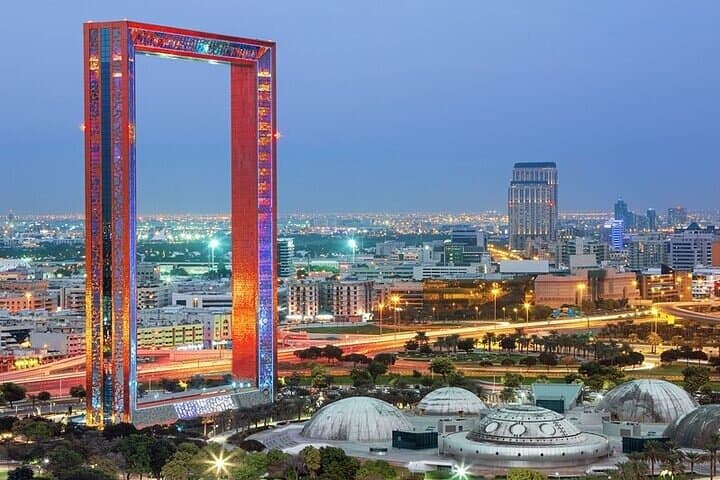
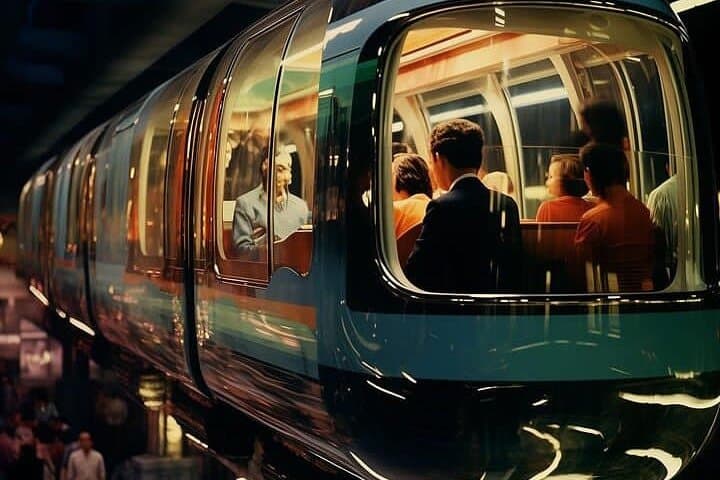
This route threads history and modernity. Dubai Creek was the city’s lifeline for pearling and trade; its tidal inlet shaped early settlement patterns. The Gold Souk preserves the merchant culture that financed rapid 20th-century growth, while the Dubai Frame, a 150m-high observation structure, frames the city’s transformation from creekside port to global metropolis. The Palm Monorail offers a swift engineering snapshot of Dubai’s recent coastline expansion.
Expect easy walking on paved promenades, short abra crossings and a monorail hop; sensory details dominate — spice-scented alleys, the clack of souk chatter, and wind from the Gulf on the Atlantis approach. Practicalities matter: midday heat intensifies on exposed waterfronts, bargaining is common in souks, and modest dress smooths interactions in traditional areas.
Plan for about four hours: arrive early to avoid peak heat, bring sun protection and small notes for vendors, and leave room in your schedule for photos at Burj Al Arab and Zabeel Palace. The tour balances curated stops with time to explore markets and waterfronts, giving a compact, navigable introduction to Dubai’s layered cityscape.
easy.
4 hours.
Suitable for most fitness levels; involves several short walks, some standing and gentle slopes.
Yes — the tour includes Dubai Frame admission as part of the itinerary.
Traditional abra crossings are brief and widely used; infants may ride but must sit on an adult’s lap per local rules.
Yes — the itinerary includes time for shopping in the Gold Souk; bring small cash and be prepared to haggle respectfully.
Many areas, including the Dubai Frame and certain promenades, are wheelchair accessible; confirm specific mobility needs with the operator when booking.
Dubai Creek was a focal point for pearling and trading dhows; merchant activity around the creek laid the economic groundwork for the city’s 20th-century expansion.
Ras Al Khor and wetland areas are protected habitats; visitors should avoid disturbing birds, stick to viewing points, and limit single-use plastic to reduce impact.
Sham Al Marjan Tours LLC operates guided outdoor trips and adventures with an emphasis on safety, stewardship, and memorable experiences.
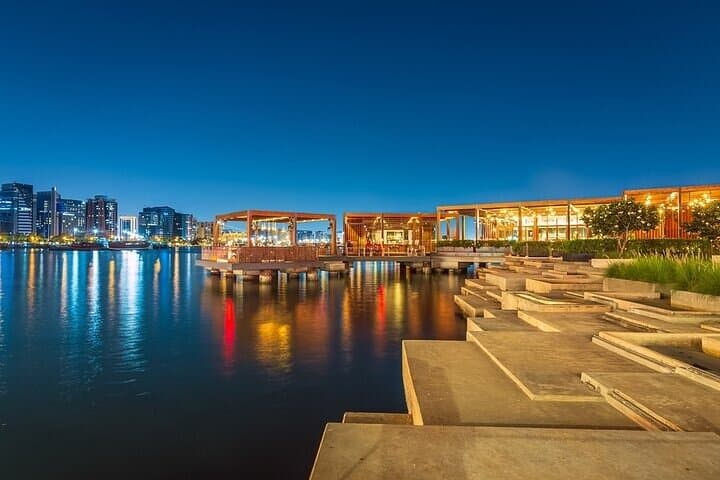
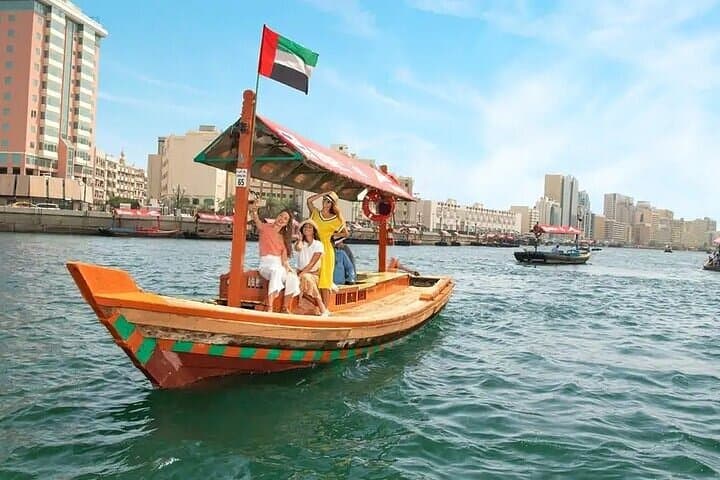
The morning light slants along Dubai Creek, copper on water and glass on skyline. A private guide leads you from the narrow lanes of Al Seef — where wind-towered facades give way to cafes and souks — across a wooden abra as gulls wheel above. The city’s contrasts are on vivid display: wooden dhows tied to concrete quays, gleaming towers rising beyond.
The morning light slants along Dubai Creek, copper on water and glass on skyline. A private guide leads you from the narrow lanes of Al Seef — where wind-towered facades give way to cafes and souks — across a wooden abra as gulls wheel above. The city’s contrasts are on vivid display: wooden dhows tied to concrete quays, gleaming towers rising beyond.
This route threads history and modernity. Dubai Creek was the city’s lifeline for pearling and trade; its tidal inlet shaped early settlement patterns. The Gold Souk preserves the merchant culture that financed rapid 20th-century growth, while the Dubai Frame, a 150m-high observation structure, frames the city’s transformation from creekside port to global metropolis. The Palm Monorail offers a swift engineering snapshot of Dubai’s recent coastline expansion.
Expect easy walking on paved promenades, short abra crossings and a monorail hop; sensory details dominate — spice-scented alleys, the clack of souk chatter, and wind from the Gulf on the Atlantis approach. Practicalities matter: midday heat intensifies on exposed waterfronts, bargaining is common in souks, and modest dress smooths interactions in traditional areas.
Plan for about four hours: arrive early to avoid peak heat, bring sun protection and small notes for vendors, and leave room in your schedule for photos at Burj Al Arab and Zabeel Palace. The tour balances curated stops with time to explore markets and waterfronts, giving a compact, navigable introduction to Dubai’s layered cityscape.