THE ADVENTURE COLLECTIVE® · Independent discovery and booking for outdoor travel

See Dubai from its most dramatic vantage points—Burj Khalifa, Dubai Frame, Sky Views, and The View at The Palm—on a single combo ticket. Ideal for first-time visitors who want top panoramas and efficient access to the city’s signature views.
See Dubai from its most dramatic vantage points—Burj Khalifa, Dubai Frame, Sky Views, and The View at The Palm—on a single combo ticket. Ideal for first-time visitors who want top panoramas and efficient access to the city’s signature views.
Atop glass and steel, Dubai keeps its promises: a skyline that leans forward, daring you to look farther. Start your day at the Burj Khalifa observation decks where the city’s geometry reveals itself—grids of roads, the crescent of the Palm, and the low shimmer of the creek. Later, step across the Dubai Frame’s sky bridge to see old and new trade places, then ride the Sky Views slide for a quick jolt and the View at The Palm for a 360-degree perspective of man-made ambition.
Verified experiences and guided adventures in the surrounding area.
Operated by hemtourism · Dubai, Dubai
Atop glass and steel, Dubai keeps its promises: a skyline that leans forward, daring you to look farther. Start your day at the Burj Khalifa observation decks where the city’s geometry reveals itself—grids of roads, the crescent of the Palm, and the low shimmer of the creek. Later, step across the Dubai Frame’s sky bridge to see old and new trade places, then ride the Sky Views slide for a quick jolt and the View at The Palm for a 360-degree perspective of man-made ambition.
Dubai’s modern identity rose from pearl-diving and a creek-side trading town to oil wealth and global tourism within a generation; the Burj Khalifa (completed 2010) is the most visible punctuation. Geologically, the city sits on a flat coastal plain and reclaimed islands that reshape the coastline; culturally, the attractions reflect both cutting-edge architecture and curated heritage—visit Al Fahidi for a quieter view of the emirate’s past.
Practical notes: tickets are mobile and timed—prime hours sell fast—so plan slots across the afternoon for light and night views. Expect security checks and brief queues even with admission. Sun, heat, and crowds alter timing: mornings and evenings are cooler and less congested. Use the metro and tram connections to avoid central traffic; wear comfortable shoes for walking and standing on observation decks.
This combo suits visitors seeking high-impact viewpoints and efficient sightseeing: mix prime-hour skyline shots with late-afternoon golden light, carry a fully charged phone for photos, and allow time between venues for transit and security checks.
easy.
1–11 hours.
Light walking and standing; suitable for most fitness levels, but expect stairs and short walks between checkpoints.
Present the mobile ticket and a matching ID at each attraction’s reception; some venues require a QR scan while others will exchange for a timed wristband.
Yes—most observation decks, The Dubai Frame, and major viewpoints are wheelchair accessible; check access details for specific venues before booking.
Yes—the combo is designed for flexibility, but build in transit and security time between sites, especially during peak hours.
Casual tourist wear is accepted, but modest clothing is recommended in public spaces and cultural areas—avoid overly revealing attire out of respect.
Dubai transformed from a creekside trading port into a global city over the 20th century; the Burj Khalifa became the city’s icon after its 2010 completion.
Rapid development stresses water and energy resources; choose public transit, limit single-use plastics, and follow site rules to reduce your footprint.
hemtourism operates guided outdoor trips and adventures with an emphasis on safety, stewardship, and memorable experiences.
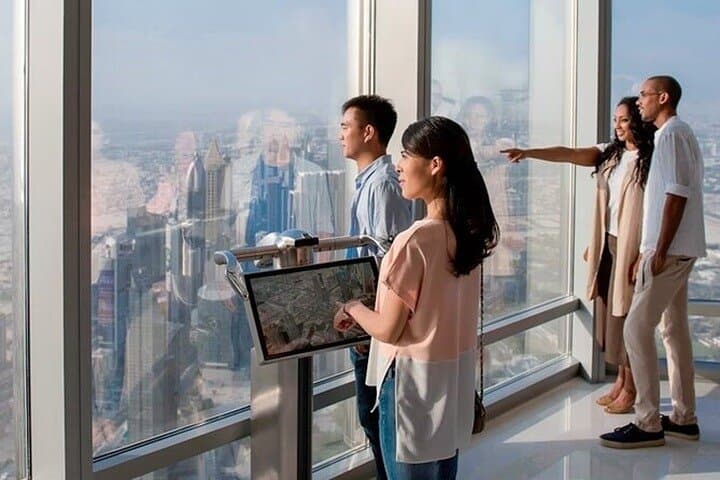
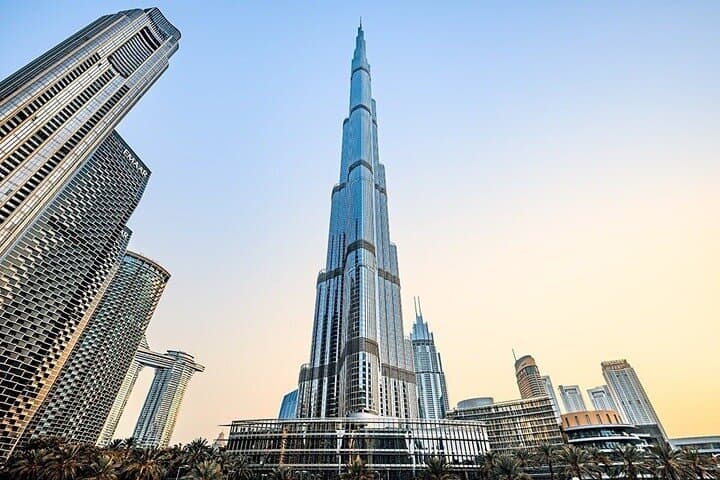
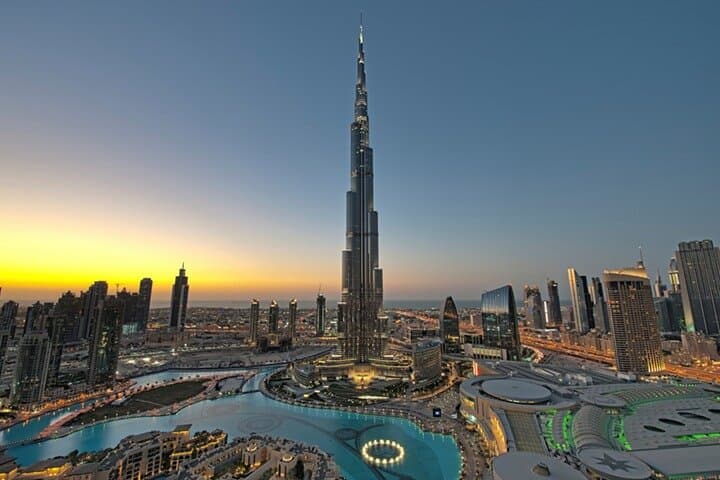
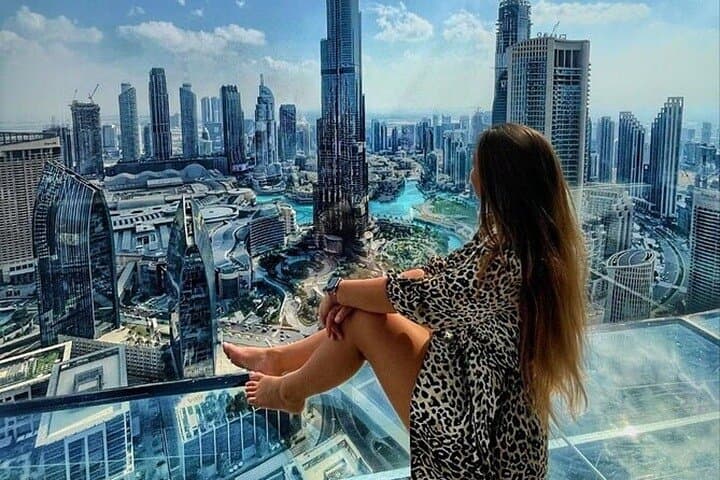
Atop glass and steel, Dubai keeps its promises: a skyline that leans forward, daring you to look farther. Start your day at the Burj Khalifa observation decks where the city’s geometry reveals itself—grids of roads, the crescent of the Palm, and the low shimmer of the creek. Later, step across the Dubai Frame’s sky bridge to see old and new trade places, then ride the Sky Views slide for a quick jolt and the View at The Palm for a 360-degree perspective of man-made ambition.
Atop glass and steel, Dubai keeps its promises: a skyline that leans forward, daring you to look farther. Start your day at the Burj Khalifa observation decks where the city’s geometry reveals itself—grids of roads, the crescent of the Palm, and the low shimmer of the creek. Later, step across the Dubai Frame’s sky bridge to see old and new trade places, then ride the Sky Views slide for a quick jolt and the View at The Palm for a 360-degree perspective of man-made ambition.
Dubai’s modern identity rose from pearl-diving and a creek-side trading town to oil wealth and global tourism within a generation; the Burj Khalifa (completed 2010) is the most visible punctuation. Geologically, the city sits on a flat coastal plain and reclaimed islands that reshape the coastline; culturally, the attractions reflect both cutting-edge architecture and curated heritage—visit Al Fahidi for a quieter view of the emirate’s past.
Practical notes: tickets are mobile and timed—prime hours sell fast—so plan slots across the afternoon for light and night views. Expect security checks and brief queues even with admission. Sun, heat, and crowds alter timing: mornings and evenings are cooler and less congested. Use the metro and tram connections to avoid central traffic; wear comfortable shoes for walking and standing on observation decks.
This combo suits visitors seeking high-impact viewpoints and efficient sightseeing: mix prime-hour skyline shots with late-afternoon golden light, carry a fully charged phone for photos, and allow time between venues for transit and security checks.