THE ADVENTURE COLLECTIVE® · Independent discovery and booking for outdoor travel

Wander a vividly planned botanical display in the middle of Dubai’s desert—72,000 m² of changing floral sculptures and themed gardens. This guide explains what to expect, when to visit, and practical tips for a smoother trip with optional transfers.
Wander a vividly planned botanical display in the middle of Dubai’s desert—72,000 m² of changing floral sculptures and themed gardens. This guide explains what to expect, when to visit, and practical tips for a smoother trip with optional transfers.
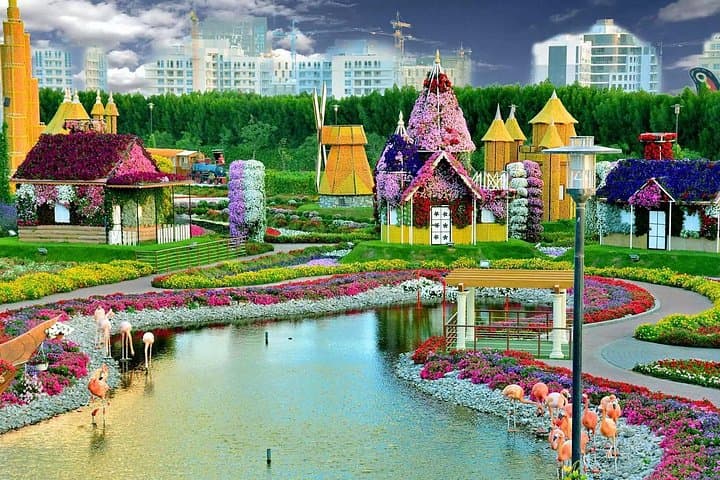
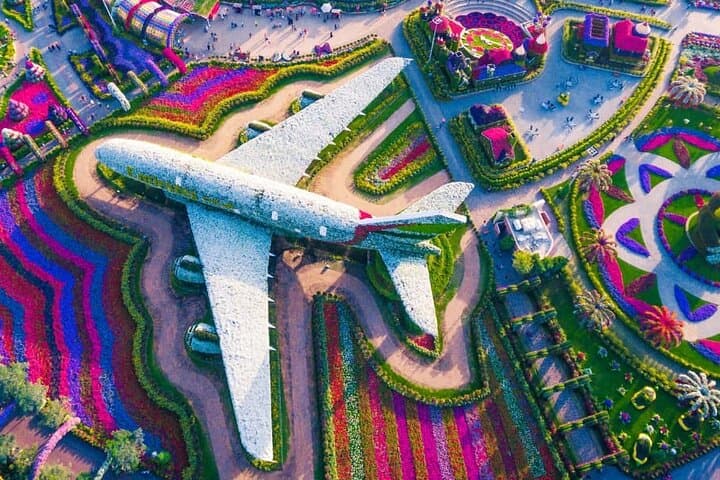
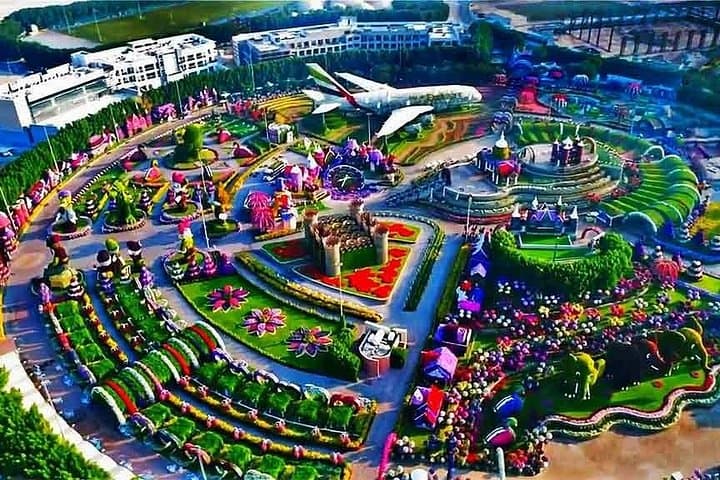
A bright corridor of color opens before you as the bus pulls up: arches of roses, a 150-foot Emirates A380 outline in flowers, pathways that curve under pergolas dripping with petunias. Dubai Miracle Garden occupies roughly 72,000 square meters in Dubailand, a deliberate splash of horticulture laid across the desert—visitors move through sculpted beds and themed installations that change with each season.
Verified experiences and guided adventures in the surrounding area.
Operated by Mona Tourism LLC · Dubai, Dubai
A bright corridor of color opens before you as the bus pulls up: arches of roses, a 150-foot Emirates A380 outline in flowers, pathways that curve under pergolas dripping with petunias. Dubai Miracle Garden occupies roughly 72,000 square meters in Dubailand, a deliberate splash of horticulture laid across the desert—visitors move through sculpted beds and themed installations that change with each season.
Opened in 2013, the garden was conceived as a large-scale experiment in desert floriculture. Intensive irrigation and climate management make this display possible; seasonal operation typically runs from late autumn to spring when temperatures are milder. The setting sits on reclaimed land in an otherwise arid plain, where design and engineering keep non-native blooms thriving.
Culturally, the garden is an expression of Dubai’s appetite for ambitious public attractions—part botanical exhibit, part public spectacle—and it often pairs with the adjacent Butterfly Garden and nearby family attractions. Geological context is simple: imported soil, engineered beds, and drip irrigation reconcile delicate plants with the emirate’s sand and heat.
Practical guidance: plan 2–4 hours to see major displays, aim for early morning or late afternoon to avoid peak sun, and reserve tickets in advance during winter weekends. Wear breathable shoes and a wide-brim hat; carry water and a camera with a wide lens for large sculptures. Accessibility is good—paths are stroller and wheelchair friendly—but expect crowds and timed-entry lines at peak hours. If you add transfers, confirm pickup by WhatsApp the day before. Respect signage and stay on paths to protect fragile displays; photogenic spots fill up fast, so scout vantage points early in your visit.
easy.
3–4 hours.
Suitable for all fitness levels; walking on flat, paved paths with frequent rest stops.
Transfers are optional; the product offers private two-way transportation if selected—confirm pickup time and location by WhatsApp the day before.
Yes—paths are paved and the site is wheelchair and stroller friendly, though some photo areas may have limited access.
The garden operates mainly in the cooler months (roughly November–May); peak blooms and comfortable weather are typically in winter and early spring.
Yes—there are cafes, kiosks, and restrooms inside the garden; bringing snacks is allowed but follow site rules to avoid littering.
Opened in 2013 as a flagship horticultural attraction, the garden was designed to demonstrate intensive landscaping techniques in an arid environment.
The site relies on targeted irrigation, recycled water systems, and careful plant selection to limit waste; visitors are asked to stay on paths and avoid picking blooms.
Mona Tourism LLC operates guided outdoor trips and adventures with an emphasis on safety, stewardship, and memorable experiences.
A bright corridor of color opens before you as the bus pulls up: arches of roses, a 150-foot Emirates A380 outline in flowers, pathways that curve under pergolas dripping with petunias. Dubai Miracle Garden occupies roughly 72,000 square meters in Dubailand, a deliberate splash of horticulture laid across the desert—visitors move through sculpted beds and themed installations that change with each season.
A bright corridor of color opens before you as the bus pulls up: arches of roses, a 150-foot Emirates A380 outline in flowers, pathways that curve under pergolas dripping with petunias. Dubai Miracle Garden occupies roughly 72,000 square meters in Dubailand, a deliberate splash of horticulture laid across the desert—visitors move through sculpted beds and themed installations that change with each season.
Opened in 2013, the garden was conceived as a large-scale experiment in desert floriculture. Intensive irrigation and climate management make this display possible; seasonal operation typically runs from late autumn to spring when temperatures are milder. The setting sits on reclaimed land in an otherwise arid plain, where design and engineering keep non-native blooms thriving.
Culturally, the garden is an expression of Dubai’s appetite for ambitious public attractions—part botanical exhibit, part public spectacle—and it often pairs with the adjacent Butterfly Garden and nearby family attractions. Geological context is simple: imported soil, engineered beds, and drip irrigation reconcile delicate plants with the emirate’s sand and heat.
Practical guidance: plan 2–4 hours to see major displays, aim for early morning or late afternoon to avoid peak sun, and reserve tickets in advance during winter weekends. Wear breathable shoes and a wide-brim hat; carry water and a camera with a wide lens for large sculptures. Accessibility is good—paths are stroller and wheelchair friendly—but expect crowds and timed-entry lines at peak hours. If you add transfers, confirm pickup by WhatsApp the day before. Respect signage and stay on paths to protect fragile displays; photogenic spots fill up fast, so scout vantage points early in your visit.