THE ADVENTURE COLLECTIVE® · Independent discovery and booking for outdoor travel

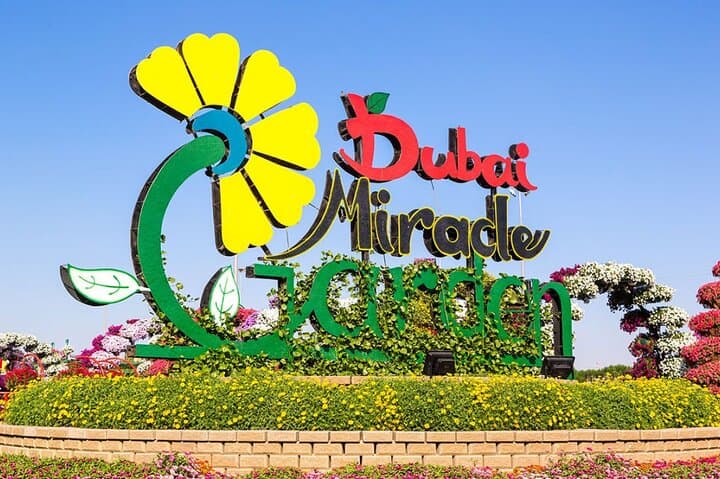
A vibrant urban oasis in the heart of the desert, Dubai Miracle Garden turns engineered irrigation and floral artistry into one of the city’s top attractions. Read practical tips on timing, accessibility and what to expect on a seasonal visit.
A vibrant urban oasis in the heart of the desert, Dubai Miracle Garden turns engineered irrigation and floral artistry into one of the city’s top attractions. Read practical tips on timing, accessibility and what to expect on a seasonal visit.
You step through the gates and the desert heat gives way to an explosion of color—arches, sculptures and a towering flower wall that seems to breathe. Paths curve between beds of hibiscus, petunia and marigold; fountains murmur and insects dart like punctuation in the air.
Verified experiences and guided adventures in the surrounding area.
Operated by Trip Ventura · Dubai, Dubai
You step through the gates and the desert heat gives way to an explosion of color—arches, sculptures and a towering flower wall that seems to breathe. Paths curve between beds of hibiscus, petunia and marigold; fountains murmur and insects dart like punctuation in the air.
Opened in 2013, Dubai Miracle Garden was conceived as a seasonal botanical experiment to prove verdure was possible in the emirate's arid climate. The site sits on reclaimed dubai land where engineered soils, irrigation and shade structures allow more than 100 million blooms from over 70 species to flourish in carefully themed displays. The most photographed feature is the Guinness-record flower wall, but smaller structures and water features reveal horticultural craft and an appetite for large-scale floral design.
Culturally, the garden reflects Dubai’s appetite for spectacle—human-made landscapes that push practical limits in the desert. Geologically the setting is flat, sandy subsoil; what looks natural is the product of heavy engineering and water management.
Practical guidance: plan a morning or late-afternoon visit to avoid capacity peaks and midday heat. Wear breathable shoes for mostly paved walking paths and carry water; shaded benches are scattered but limited. Photography is the main activity—arrive early for soft light and quieter lanes, or after 4pm when crowds thin and the displays are lit.
Accessibility is good: paved paths, restrooms and food outlets are onsite. Tickets are per booking and non-refundable—check opening dates, as the garden runs seasonally and often closes for replanting in summer.
easy.
4–6 hours.
Light walking on paved paths; suitable for most fitness levels including families and older visitors.
The garden typically operates seasonally from late fall through spring; exact dates vary each year for planting and maintenance—check current opening dates before booking.
Tickets are sold per booking and entry is subject to capacity; buying in advance secures admission but check the vendor for any specific time-slot rules.
Yes—paths are paved and the site provides accessible routes and restrooms, making it suitable for wheelchairs and strollers.
Yes—there are several food outlets, shaded seating areas and public restrooms distributed around the garden.
Launched in 2013 as a demonstration of large-scale horticulture in an arid environment, the garden showcases engineered soils and irrigation in an area of rapid urban development.
Extensive irrigation uses treated water and drip systems; visitors are encouraged to minimize waste and use provided bins to reduce impact on the managed landscape.
Trip Ventura operates guided outdoor trips and adventures with an emphasis on safety, stewardship, and memorable experiences.
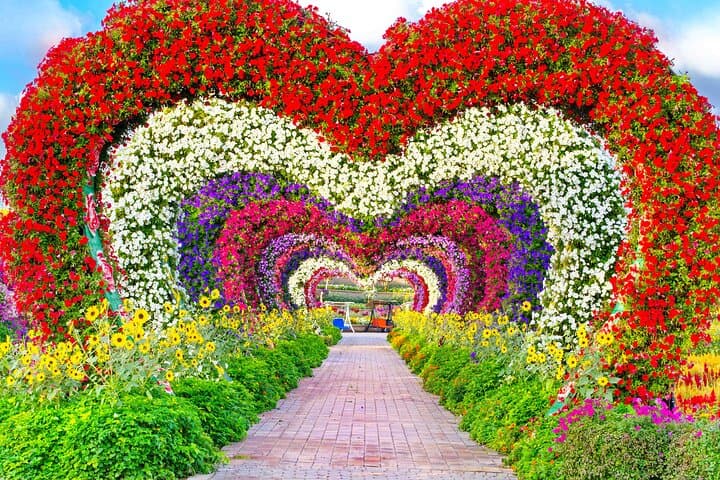
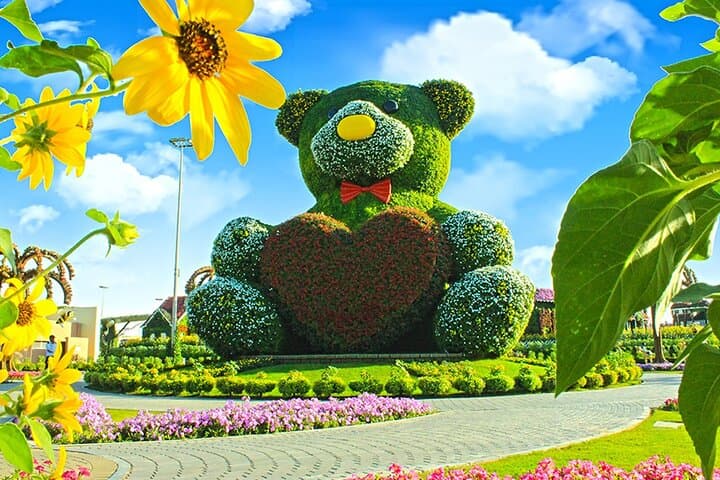
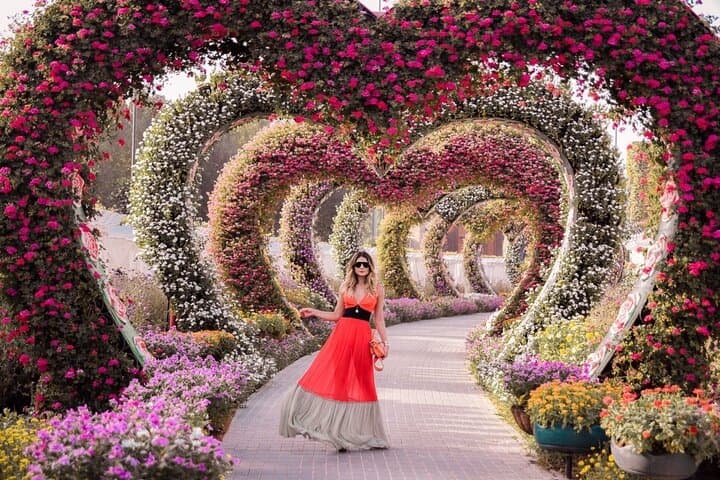
You step through the gates and the desert heat gives way to an explosion of color—arches, sculptures and a towering flower wall that seems to breathe. Paths curve between beds of hibiscus, petunia and marigold; fountains murmur and insects dart like punctuation in the air.
You step through the gates and the desert heat gives way to an explosion of color—arches, sculptures and a towering flower wall that seems to breathe. Paths curve between beds of hibiscus, petunia and marigold; fountains murmur and insects dart like punctuation in the air.
Opened in 2013, Dubai Miracle Garden was conceived as a seasonal botanical experiment to prove verdure was possible in the emirate's arid climate. The site sits on reclaimed dubai land where engineered soils, irrigation and shade structures allow more than 100 million blooms from over 70 species to flourish in carefully themed displays. The most photographed feature is the Guinness-record flower wall, but smaller structures and water features reveal horticultural craft and an appetite for large-scale floral design.
Culturally, the garden reflects Dubai’s appetite for spectacle—human-made landscapes that push practical limits in the desert. Geologically the setting is flat, sandy subsoil; what looks natural is the product of heavy engineering and water management.
Practical guidance: plan a morning or late-afternoon visit to avoid capacity peaks and midday heat. Wear breathable shoes for mostly paved walking paths and carry water; shaded benches are scattered but limited. Photography is the main activity—arrive early for soft light and quieter lanes, or after 4pm when crowds thin and the displays are lit.
Accessibility is good: paved paths, restrooms and food outlets are onsite. Tickets are per booking and non-refundable—check opening dates, as the garden runs seasonally and often closes for replanting in summer.