THE ADVENTURE COLLECTIVE® · Independent discovery and booking for outdoor travel

Explore Dubai Miracle Garden with a practical visitor guide: what to expect, when to go, and how to plan your 2–3 hour visit. Avoid peak crowds, bring sun protection, and consider the optional transfer for easier access.
Explore Dubai Miracle Garden with a practical visitor guide: what to expect, when to go, and how to plan your 2–3 hour visit. Avoid peak crowds, bring sun protection, and consider the optional transfer for easier access.
Stepping through the gate at Dubai Miracle Garden feels like stepping off the city grid and into a patchwork of color. Arching floral sculptures, a giant floral A380, and rows of sculpted hearts push outward across the 72,000-square-meter site; petals and planters seem to reach for the light as if daring the desert to reclaim them.
Verified experiences and guided adventures in the surrounding area.
Operated by Good Sky Tourism · Dubai, Dubai
Stepping through the gate at Dubai Miracle Garden feels like stepping off the city grid and into a patchwork of color. Arching floral sculptures, a giant floral A380, and rows of sculpted hearts push outward across the 72,000-square-meter site; petals and planters seem to reach for the light as if daring the desert to reclaim them.
The garden opened in 2013 as a seasonal response to Dubai’s appetite for spectacle and horticultural innovation. Built on reclaimed land in Al Barsha South, its displays are arranged on modular beds over engineered soil and are sustained by drip irrigation and careful scheduling of flowering varieties. The site sits near the Butterfly Garden and several family-friendly attractions, creating a compact cultural stretch of suburban leisure.
Expect an immersive but easy stroll: paved paths, designated photo platforms, shaded rest areas, prayer rooms and accessible facilities make the space suitable for most visitors. Peak months are November through April when temperatures are mild and blooms are at their best; summer visits are hot but the garden often operates evening hours. Plan for crowds during sunset and holiday periods and come prepared for photography rules and no-drone policies.
Practical tips: arrive early for cooler light and quieter photo opportunities, carry water and sun protection, use the optional return transfer if you’re staying outside central Dubai, and respect plantings—don’t pick flowers. With basic planning, a 2–3 hour visit turns into a bright, vividly photogenic break from the city’s skyline and shopping centers.
easy.
2–3 hours.
Minimal fitness required—mostly flat paved walking suitable for families and older visitors
Both mobile and paper tickets are accepted—present the ticket on arrival as specified in your booking.
Transfer is optional; choose the transfer add-on at booking for 2-way private transport, otherwise public transport and taxis are available nearby.
Yes—paths, toilets and transport options are wheelchair and stroller accessible, with carts and assistance available on site.
November through April typically delivers the most consistent blooms and comfortable weather; the garden may reduce hours in summer due to heat.
Opened in 2013 as a seasonal horticultural attraction, Miracle Garden grew from a local initiative to create large-scale floral displays in an arid urban setting.
The garden uses targeted drip irrigation, seasonal plant rotations and treated water where possible; visitors are asked not to disturb plantings to limit damage and waste.
Good Sky Tourism operates guided outdoor trips and adventures with an emphasis on safety, stewardship, and memorable experiences.
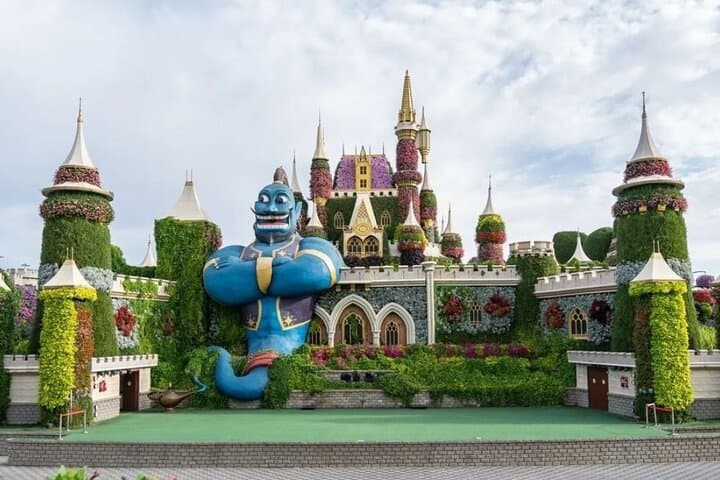
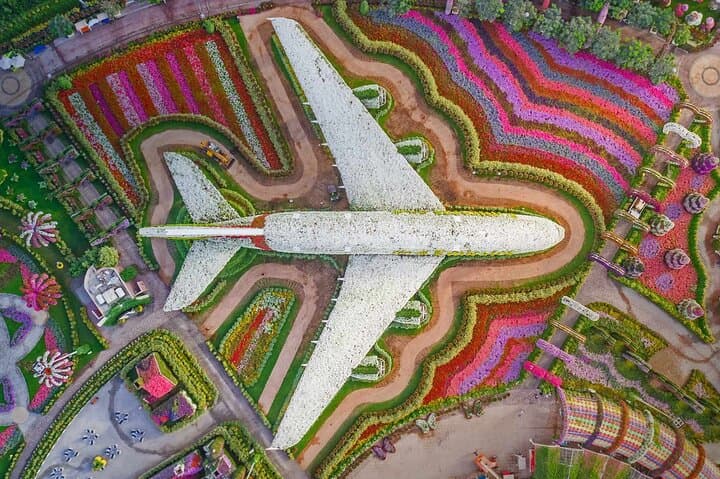
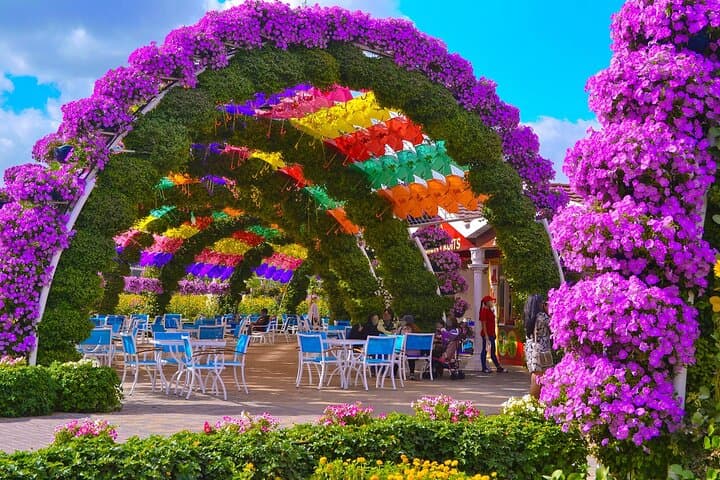
Stepping through the gate at Dubai Miracle Garden feels like stepping off the city grid and into a patchwork of color. Arching floral sculptures, a giant floral A380, and rows of sculpted hearts push outward across the 72,000-square-meter site; petals and planters seem to reach for the light as if daring the desert to reclaim them.
Stepping through the gate at Dubai Miracle Garden feels like stepping off the city grid and into a patchwork of color. Arching floral sculptures, a giant floral A380, and rows of sculpted hearts push outward across the 72,000-square-meter site; petals and planters seem to reach for the light as if daring the desert to reclaim them.
The garden opened in 2013 as a seasonal response to Dubai’s appetite for spectacle and horticultural innovation. Built on reclaimed land in Al Barsha South, its displays are arranged on modular beds over engineered soil and are sustained by drip irrigation and careful scheduling of flowering varieties. The site sits near the Butterfly Garden and several family-friendly attractions, creating a compact cultural stretch of suburban leisure.
Expect an immersive but easy stroll: paved paths, designated photo platforms, shaded rest areas, prayer rooms and accessible facilities make the space suitable for most visitors. Peak months are November through April when temperatures are mild and blooms are at their best; summer visits are hot but the garden often operates evening hours. Plan for crowds during sunset and holiday periods and come prepared for photography rules and no-drone policies.
Practical tips: arrive early for cooler light and quieter photo opportunities, carry water and sun protection, use the optional return transfer if you’re staying outside central Dubai, and respect plantings—don’t pick flowers. With basic planning, a 2–3 hour visit turns into a bright, vividly photogenic break from the city’s skyline and shopping centers.