THE ADVENTURE COLLECTIVE® · Independent discovery and booking for outdoor travel

Trace Dubai’s transformation on a 3–4 hour walking tour from Al Fahidi’s wind towers to Deira’s Gold Souq. Expect narrow alleys, a Coin Museum stop, a classic abra crossing and hands‑on market experiences.
Trace Dubai’s transformation on a 3–4 hour walking tour from Al Fahidi’s wind towers to Deira’s Gold Souq. Expect narrow alleys, a Coin Museum stop, a classic abra crossing and hands‑on market experiences.
You step off a quiet side street into a corridor of sun‑baked coral stone and wind towers; the air smells faintly of cardamom and sea salt, and the creek hums in the distance. The Al Fahidi Historical District unfolds with low buildings, tight alleyways and the occasional burst of gallery light — a living urban archive of pre‑oil Dubai.
Verified experiences and guided adventures in the surrounding area.
Operated by Golden Destination · Dubai, Dubai
You step off a quiet side street into a corridor of sun‑baked coral stone and wind towers; the air smells faintly of cardamom and sea salt, and the creek hums in the distance. The Al Fahidi Historical District unfolds with low buildings, tight alleyways and the occasional burst of gallery light — a living urban archive of pre‑oil Dubai.
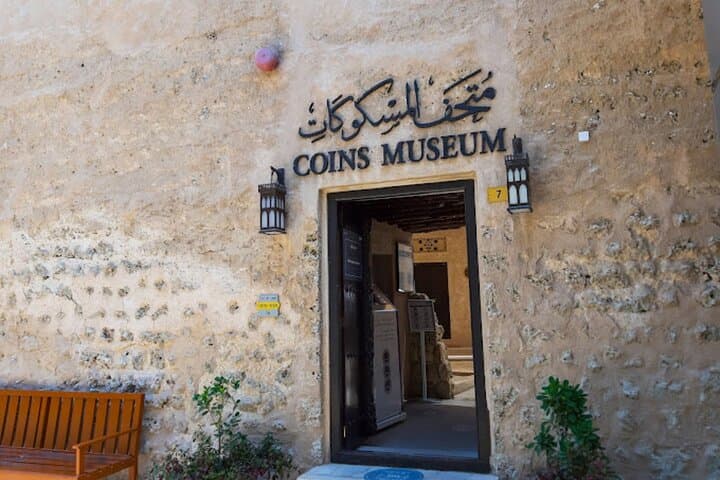
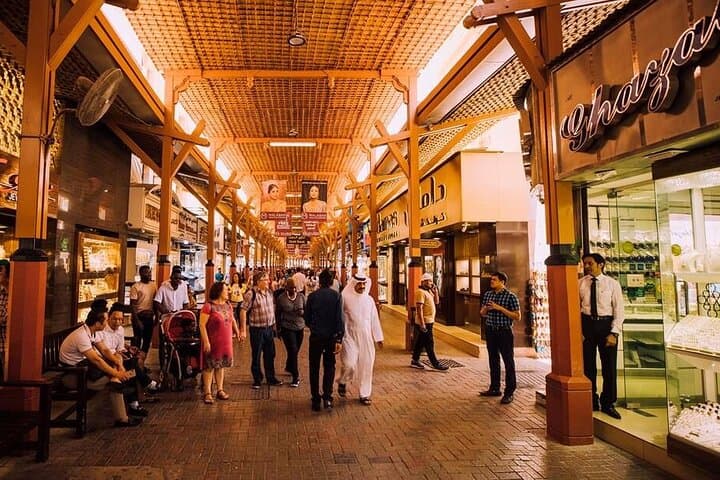
This walk threads history and commerce: wind‑tower architecture that once cooled merchant houses, the Coin Museum’s tiny windows into trade networks, and the creek that made Dubai a trading entrepôt for pearls, spices and textiles. Geologically, the creek carved a shallow inlet that encouraged dhow traffic and markets on both banks; culturally, the souqs grew around the rhythm of tides and caravans. You’ll cross Dubai Creek by abra — a wooden taxi that feels almost unchanged — and land in Deira’s Spice and Gold souqs where bargaining is part commerce, part ritual.
Practical guidance is straightforward. Plan for 3–4 hours on foot: wear broken‑in walking shoes, light breathable clothing, and a hat. Mornings are cooler and quieter; late afternoons offer softer light but heavier crowds. Carry water (refill if you can), keep valuables secure in busy market lanes, and set expectations around modest dress when passing religious sites. Bring small notes for purchases and allow time to step into a café for karak tea and luqaimat.
This is a low‑impact, low‑technical tour ideal for travelers who want a compact, sensory immersion into Dubai’s urban past: architectural details, market rhythms, and a creek that still connects neighborhood to neighborhood.
easy.
3–4 hours.
Suitable for most fitness levels; participants should be comfortable walking on paved and uneven surfaces for several hours.
The tour lasts about 3–4 hours and involves sustained walking on paved streets and market alleys; it’s classified as easy but requires several hours on your feet.
Yes — the itinerary indicates admission to the Coin Museum is included; confirm on booking for any last‑minute changes.
The guided abra crossing is included as part of the tour; the guide will manage boarding and fares during the scheduled segment.
The tour is family‑friendly, but infants must sit on an adult’s lap during transit; plan for breaks if you have young children.
Dubai Creek was the lifeblood of the emirate, drawing pearl divers and traders; the districts you visit grew organically around trade routes and boat landings.
Support local vendors, avoid single‑use plastics, and stay on established paths to minimize wear on historic structures and neighborhood life.
Golden Destination operates guided outdoor trips and adventures with an emphasis on safety, stewardship, and memorable experiences.
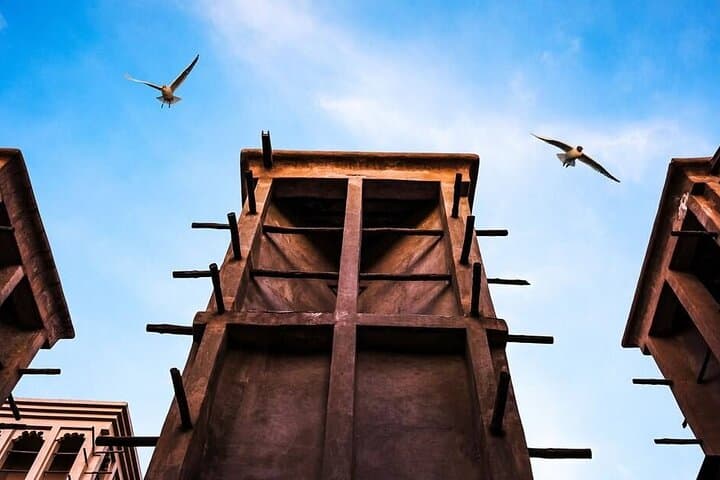

You step off a quiet side street into a corridor of sun‑baked coral stone and wind towers; the air smells faintly of cardamom and sea salt, and the creek hums in the distance. The Al Fahidi Historical District unfolds with low buildings, tight alleyways and the occasional burst of gallery light — a living urban archive of pre‑oil Dubai.
You step off a quiet side street into a corridor of sun‑baked coral stone and wind towers; the air smells faintly of cardamom and sea salt, and the creek hums in the distance. The Al Fahidi Historical District unfolds with low buildings, tight alleyways and the occasional burst of gallery light — a living urban archive of pre‑oil Dubai.
This walk threads history and commerce: wind‑tower architecture that once cooled merchant houses, the Coin Museum’s tiny windows into trade networks, and the creek that made Dubai a trading entrepôt for pearls, spices and textiles. Geologically, the creek carved a shallow inlet that encouraged dhow traffic and markets on both banks; culturally, the souqs grew around the rhythm of tides and caravans. You’ll cross Dubai Creek by abra — a wooden taxi that feels almost unchanged — and land in Deira’s Spice and Gold souqs where bargaining is part commerce, part ritual.
Practical guidance is straightforward. Plan for 3–4 hours on foot: wear broken‑in walking shoes, light breathable clothing, and a hat. Mornings are cooler and quieter; late afternoons offer softer light but heavier crowds. Carry water (refill if you can), keep valuables secure in busy market lanes, and set expectations around modest dress when passing religious sites. Bring small notes for purchases and allow time to step into a café for karak tea and luqaimat.
This is a low‑impact, low‑technical tour ideal for travelers who want a compact, sensory immersion into Dubai’s urban past: architectural details, market rhythms, and a creek that still connects neighborhood to neighborhood.