THE ADVENTURE COLLECTIVE® · Independent discovery and booking for outdoor travel

Step into Deira’s bustling Gold Souk, where glass cases gleam and merchants trade in centuries-old rhythms. This guided shopping tour introduces buyers to Dubai’s gold market—how it works, what to look for, and practical tips for smart purchases.
Step into Deira’s bustling Gold Souk, where glass cases gleam and merchants trade in centuries-old rhythms. This guided shopping tour introduces buyers to Dubai’s gold market—how it works, what to look for, and practical tips for smart purchases.
The market opens like a machine: rows of cases catch the light and the creek breeze threads through narrow lanes as a guide leads the way. Visitors step off the shaded street into a corridor of gold—chains, intricate necklaces and loose gemstones stacked behind glass, each piece waiting for an appraisal and a story.
Verified experiences and guided adventures in the surrounding area.
Operated by Sougat Travel & Tourism LLC · Dubai, Dubai
The market opens like a machine: rows of cases catch the light and the creek breeze threads through narrow lanes as a guide leads the way. Visitors step off the shaded street into a corridor of gold—chains, intricate necklaces and loose gemstones stacked behind glass, each piece waiting for an appraisal and a story.
Deira’s Gold Souk grew from Dubai’s trading past, when the creek was the city’s artery and merchants arrived by dhow. The souk today sits in Al Dhagaya, its layout shaped by decades of commerce rather than a single architect. Geologically, the gold is not local—the UAE imports refined metal and gemstones, which arrive through global trading networks that made Dubai a pricing hub.
Culturally the souk is a living marketplace: bargaining is part of the rhythm, Arabic and English are exchanged easily, and the stalls reveal family-run businesses as well as larger retailers. Expect concentrated sensory details—polished metal, paper receipts, the rustle of fabric, and the occasional call to inspect a tray.
Practical guidance: allow about four hours for the guided tour, factor in appraisal time and transport to Deira. Bring a mix of cash and card; verify karat markings and ask for written receipts. Dress respectfully for a working market and keep valuables secure; the area is busy and compact. Morning visits avoid peak heat and crowds, while late afternoon light flatters jewelry for photos. If buying, request documentation for customs or warranties and confirm return policies before leaving the shop.
easy.
4 hours.
Suitable for all fitness levels; involves several hours of walking on paved market streets and standing while viewing displays
Yes—bargaining is expected in the souk; start lower than your target price and be polite but firm.
The UAE applies VAT, but tourists may be eligible for refunds on certain purchases—ask vendors for paperwork and check the current VAT rules before buying.
Yes, the souk is stroller-accessible and the tour notes indicate infants may sit on laps; expect crowded lanes at peak times.
Guides typically explain authenticity markers and local customs but independent appraisals require separate services; always request official documentation from the seller.
The Gold Souk traces to Dubai’s era as a regional trading hub around the creek; Deira developed as the commercial heart where merchants from South Asia, the Gulf and beyond converged.
Buyers should seek documented origins of precious stones and prefer reputable dealers to avoid contributing to illegal or untraceable supply chains; reduce plastic use by bringing reusable bags.
Sougat Travel & Tourism LLC operates guided outdoor trips and adventures with an emphasis on safety, stewardship, and memorable experiences.
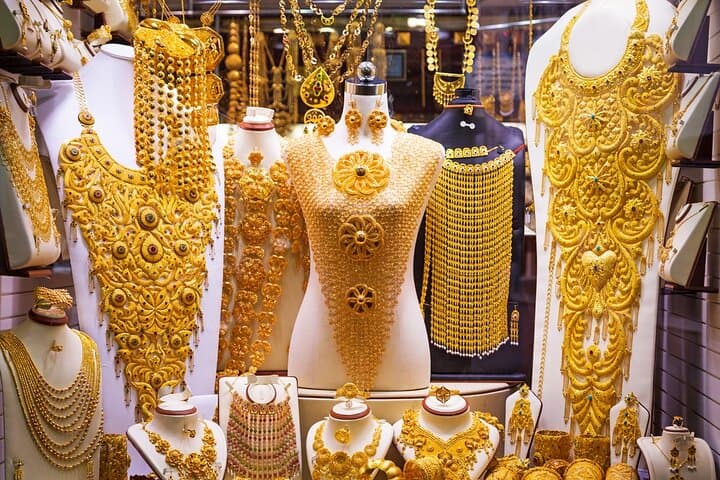
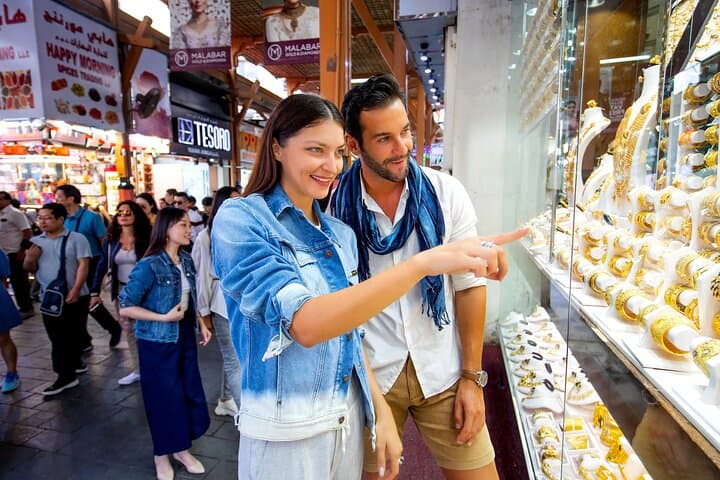
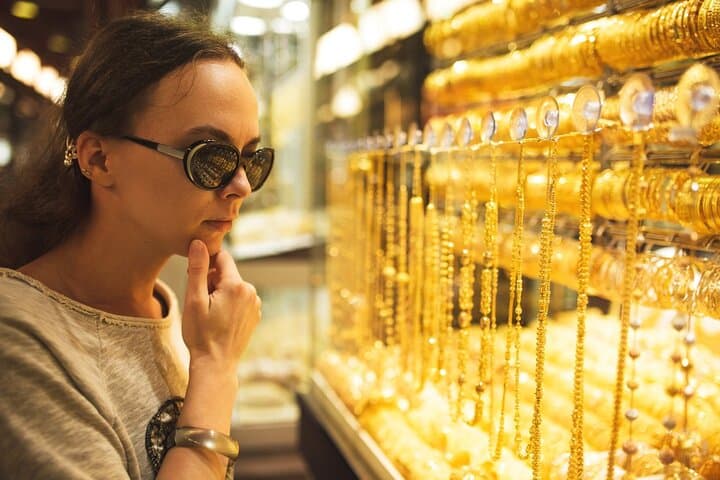
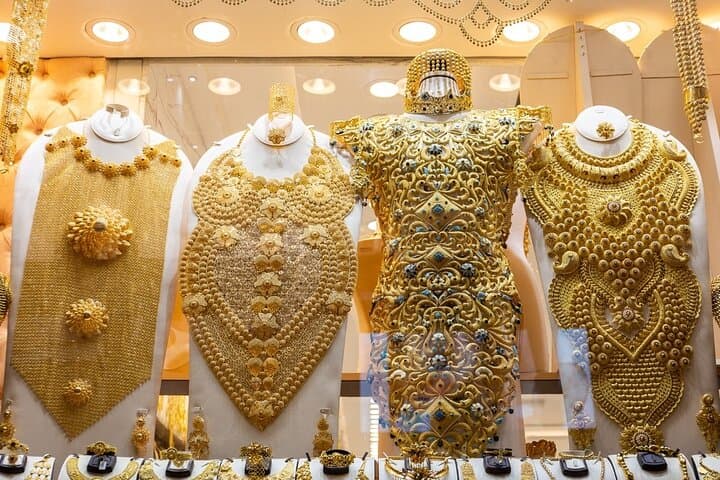
The market opens like a machine: rows of cases catch the light and the creek breeze threads through narrow lanes as a guide leads the way. Visitors step off the shaded street into a corridor of gold—chains, intricate necklaces and loose gemstones stacked behind glass, each piece waiting for an appraisal and a story.
The market opens like a machine: rows of cases catch the light and the creek breeze threads through narrow lanes as a guide leads the way. Visitors step off the shaded street into a corridor of gold—chains, intricate necklaces and loose gemstones stacked behind glass, each piece waiting for an appraisal and a story.
Deira’s Gold Souk grew from Dubai’s trading past, when the creek was the city’s artery and merchants arrived by dhow. The souk today sits in Al Dhagaya, its layout shaped by decades of commerce rather than a single architect. Geologically, the gold is not local—the UAE imports refined metal and gemstones, which arrive through global trading networks that made Dubai a pricing hub.
Culturally the souk is a living marketplace: bargaining is part of the rhythm, Arabic and English are exchanged easily, and the stalls reveal family-run businesses as well as larger retailers. Expect concentrated sensory details—polished metal, paper receipts, the rustle of fabric, and the occasional call to inspect a tray.
Practical guidance: allow about four hours for the guided tour, factor in appraisal time and transport to Deira. Bring a mix of cash and card; verify karat markings and ask for written receipts. Dress respectfully for a working market and keep valuables secure; the area is busy and compact. Morning visits avoid peak heat and crowds, while late afternoon light flatters jewelry for photos. If buying, request documentation for customs or warranties and confirm return policies before leaving the shop.