THE ADVENTURE COLLECTIVE® · Independent discovery and booking for outdoor travel

Stand on a glass bridge that frames Dubai’s past and present. This concise visitor guide explains what to expect at the Dubai Frame, plus practical tips on timing, accessibility, and best viewpoints.
Stand on a glass bridge that frames Dubai’s past and present. This concise visitor guide explains what to expect at the Dubai Frame, plus practical tips on timing, accessibility, and best viewpoints.
You step out of the shuttle into Zabeel Park and the Dubai skyline rearranges itself into a single, gold-rimmed rectangle: the Dubai Frame. From the glass bridge at the top the city splits—old Dubai pressing north with low-rise neighborhoods and the creek, while to the south towers like Burj Khalifa stack into the horizon. The Frame compels you to pause and choose a view.
Verified experiences and guided adventures in the surrounding area.
Operated by MY NEXT TRIP TOURISM · Dubai, Dubai
You step out of the shuttle into Zabeel Park and the Dubai skyline rearranges itself into a single, gold-rimmed rectangle: the Dubai Frame. From the glass bridge at the top the city splits—old Dubai pressing north with low-rise neighborhoods and the creek, while to the south towers like Burj Khalifa stack into the horizon. The Frame compels you to pause and choose a view.
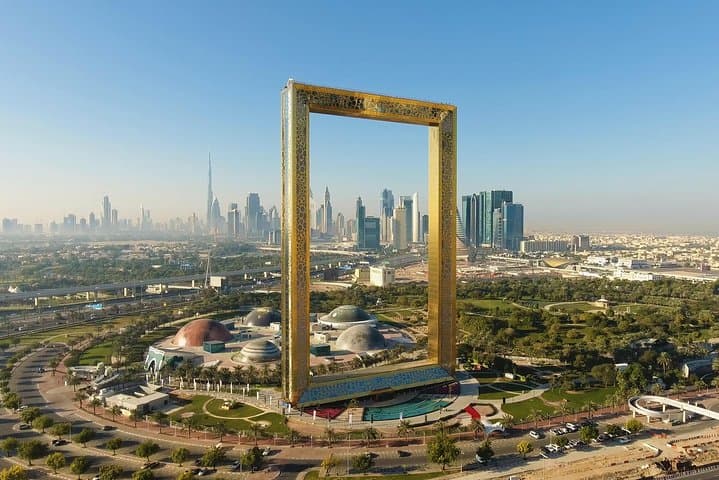
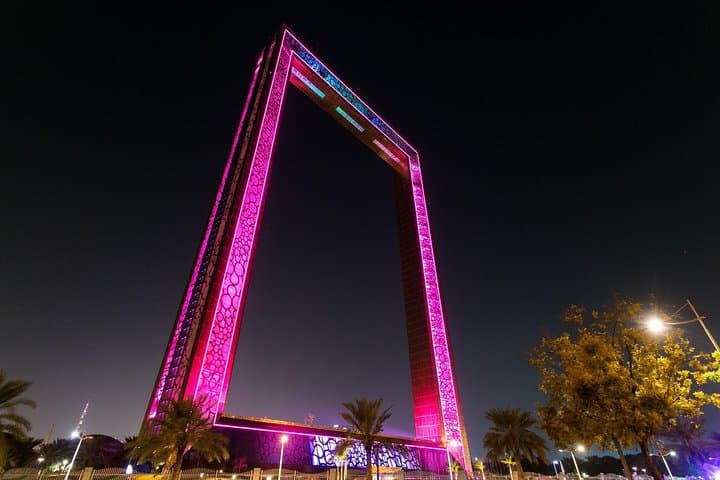
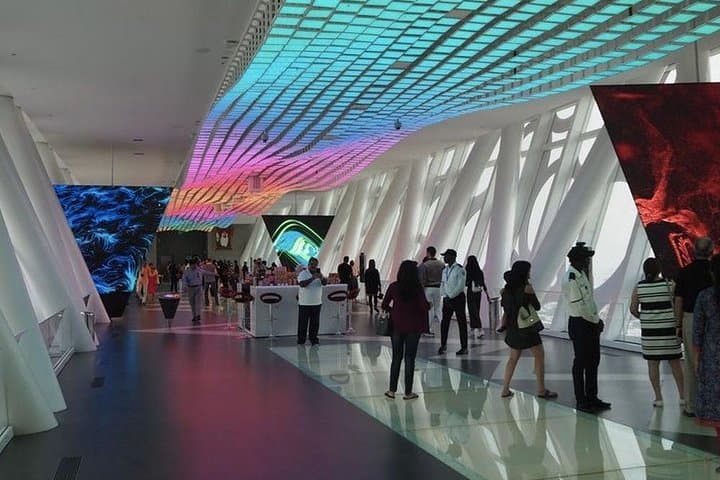
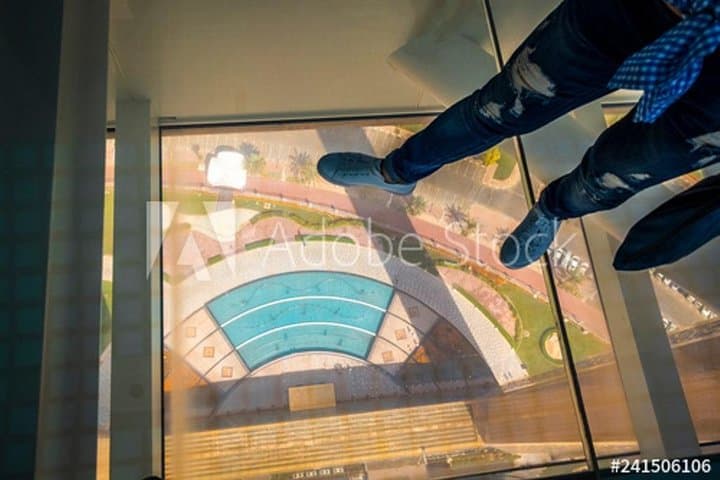
Built as a modern landmark in Zabeel Park, the Dubai Frame opened in 2018 to give a literal frame to the city’s rapid transformation. The structure stands roughly 150 meters tall and 92–93 meters wide, with elevators lifting visitors to a panoramic walkway that includes a glass-floored viewing section and multimedia exhibits on the ground level that narrate Dubai’s past and imagined future.
Geology plays a quiet role here—the reclaimed flats and coastal plain that support Dubai’s urban growth are visible from the top. Culturally, the Frame is a civic gesture: a deliberate line between heritage and ambition, designed to provoke perspective rather than blend in.
Practical guidance: allow two to three hours for transfers, queueing, the museum, and extended views. Visit at early morning or dusk for cooler temperatures and softer light; midday can be hot and bright. Wear comfortable shoes for the walk through the park and be prepared for security checks and elevator waits. The site is wheelchair accessible and suitable for most fitness levels. Hydrate, carry sunscreen, and plan your photo angles—this is one of Dubai’s easiest, most concentrated vantage points for both history and skyline photography.
easy.
2–3 hours.
Suitable for most fitness levels; requires only short walks and elevator access
Plan 2–3 hours to include transfer time, the ground-level exhibits, elevator ride, and leisurely viewing time at the top.
Yes — elevators, ramps, and accessible transport options are provided; staff can assist with boarding where needed.
Yes, the glass walkway is open to visitors, but you can remain on the solid sections if you prefer not to step on the glass.
Full refunds are usually available if you cancel at least 24 hours before the scheduled time; check the operator’s cancellation policy for details.
The Dubai Frame opened in 2018 as a purpose-built landmark intended to frame views of both Dubai’s older districts and its modern skyline, highlighting the city’s rapid transformation.
Zabeel Park manages visitor impact through designated paths and waste bins; visitors are encouraged to stay on paved routes and avoid feeding wildlife to protect local species.
MY NEXT TRIP TOURISM operates guided outdoor trips and adventures with an emphasis on safety, stewardship, and memorable experiences.
You step out of the shuttle into Zabeel Park and the Dubai skyline rearranges itself into a single, gold-rimmed rectangle: the Dubai Frame. From the glass bridge at the top the city splits—old Dubai pressing north with low-rise neighborhoods and the creek, while to the south towers like Burj Khalifa stack into the horizon. The Frame compels you to pause and choose a view.
You step out of the shuttle into Zabeel Park and the Dubai skyline rearranges itself into a single, gold-rimmed rectangle: the Dubai Frame. From the glass bridge at the top the city splits—old Dubai pressing north with low-rise neighborhoods and the creek, while to the south towers like Burj Khalifa stack into the horizon. The Frame compels you to pause and choose a view.
Built as a modern landmark in Zabeel Park, the Dubai Frame opened in 2018 to give a literal frame to the city’s rapid transformation. The structure stands roughly 150 meters tall and 92–93 meters wide, with elevators lifting visitors to a panoramic walkway that includes a glass-floored viewing section and multimedia exhibits on the ground level that narrate Dubai’s past and imagined future.
Geology plays a quiet role here—the reclaimed flats and coastal plain that support Dubai’s urban growth are visible from the top. Culturally, the Frame is a civic gesture: a deliberate line between heritage and ambition, designed to provoke perspective rather than blend in.
Practical guidance: allow two to three hours for transfers, queueing, the museum, and extended views. Visit at early morning or dusk for cooler temperatures and softer light; midday can be hot and bright. Wear comfortable shoes for the walk through the park and be prepared for security checks and elevator waits. The site is wheelchair accessible and suitable for most fitness levels. Hydrate, carry sunscreen, and plan your photo angles—this is one of Dubai’s easiest, most concentrated vantage points for both history and skyline photography.