THE ADVENTURE COLLECTIVE® · Independent discovery and booking for outdoor travel

Stand inside a giant golden picture of Dubai: the Dubai Frame pairs a high glass walkway and rooftop views with a compact museum that traces the city’s rapid rise. This guide explains what to expect, when to visit, and practical tips for a smooth experience.
Stand inside a giant golden picture of Dubai: the Dubai Frame pairs a high glass walkway and rooftop views with a compact museum that traces the city’s rapid rise. This guide explains what to expect, when to visit, and practical tips for a smooth experience.
You arrive under a gold-hued rectangle that slices the Dubai sky—two towers joined by a 150-meter-high bridge that frames the city like a photograph. From the plaza, the structure gleams against glass towers to the west and the lower roofs of old Dubai to the east; inside, elevators hum you up to an observation deck and a glass-floored walkway that dares you to look straight down.
Verified experiences and guided adventures in the surrounding area.
Operated by Tripline Tourism · Dubai, Dubai
You arrive under a gold-hued rectangle that slices the Dubai sky—two towers joined by a 150-meter-high bridge that frames the city like a photograph. From the plaza, the structure gleams against glass towers to the west and the lower roofs of old Dubai to the east; inside, elevators hum you up to an observation deck and a glass-floored walkway that dares you to look straight down.
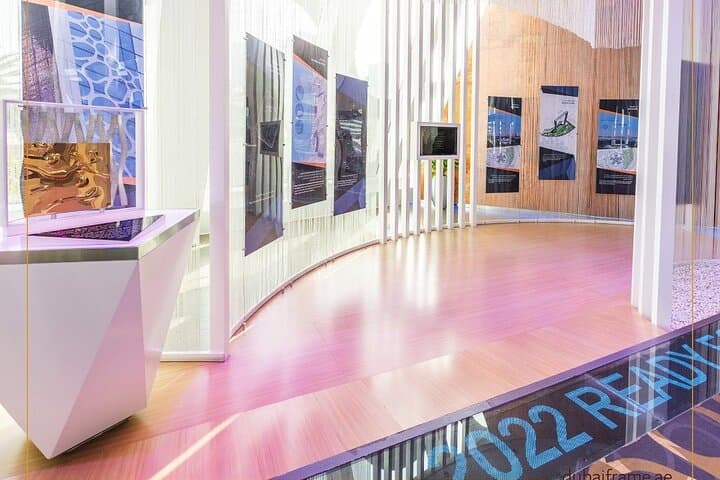
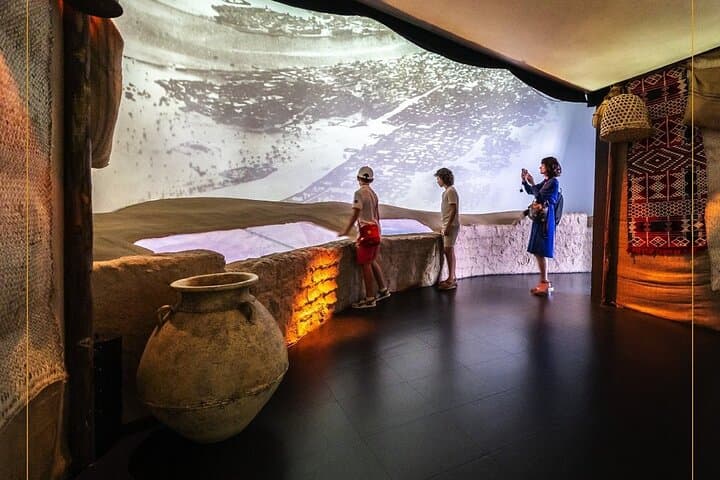
The Dubai Frame opened in 2018 as a deliberate visual contrast between the emirate’s rapid modernization and its older districts. The ground-floor museum and multimedia exhibits guide visitors through a condensed history of Dubai’s evolution—from pearling and creek-side trade to the high-rise skyline that defines the city today.
Geology plays a small role here; the city’s flat coastal plain gives uninterrupted sightlines, so views stretch across man-made landmarks rather than natural peaks. Culturally, the Frame is a performing stage for the city’s identity—positioned in Zabeel Park to invite both tourists and local families to the surrounding gardens and green courtyards.
Plan on 2–3 hours: queuing, exhibits, the elevator ride, and time on the glass walkway. Visit near sunset for balanced light and cooler temperatures, and use the mobile ticket to skip long lines. The site is wheelchair and stroller accessible, but the glass floor can trigger vertigo—carry a lightweight jacket for the breezy top level and keep water handy in hot months. Photography is excellent from both sides; aim to time your visit when light highlights either the historic low-rise east or the glittering west skyline.
easy.
2–3 hours.
Suitable for all fitness levels; involves short walks and elevator access
Allocate about 2–3 hours to cover exhibits, the elevator ride, views, and time on the glass walkway.
Yes—the attraction and transport options are wheelchair and stroller accessible; staff can assist where needed.
Mobile tickets are accepted and often recommended to skip lines; limited walk-up sales may be available but expect queues.
Yes—the glass floor is structurally safe, but children should be supervised as the experience can be intimidating.
Opened in 2018, the Dubai Frame was conceived to present a literal window onto Dubai’s transformation from creek-side trading port to global metropolis.
The site sits within Zabeel Park—visitors are encouraged to use public transit, avoid single-use plastics, and follow park rules to reduce litter and impact.
Tripline Tourism operates guided outdoor trips and adventures with an emphasis on safety, stewardship, and memorable experiences.
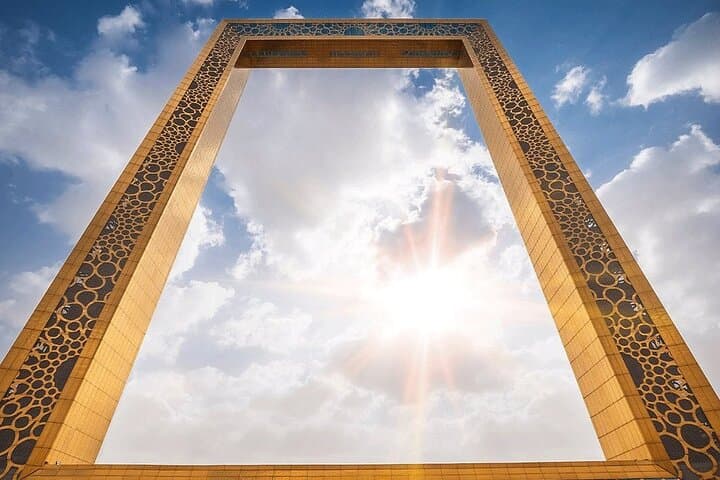
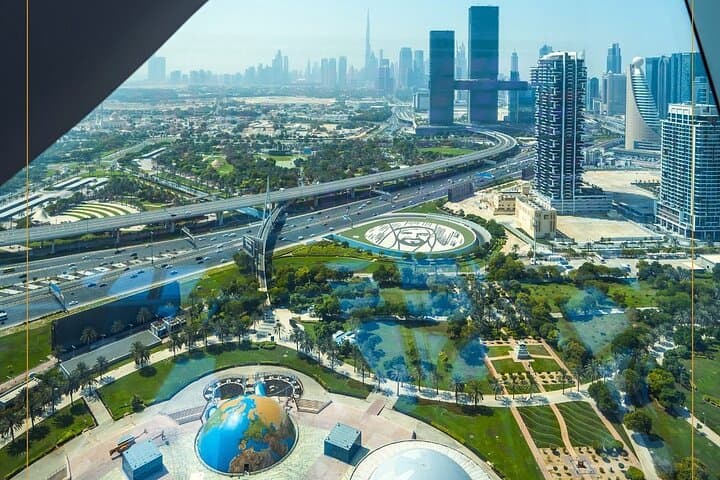
You arrive under a gold-hued rectangle that slices the Dubai sky—two towers joined by a 150-meter-high bridge that frames the city like a photograph. From the plaza, the structure gleams against glass towers to the west and the lower roofs of old Dubai to the east; inside, elevators hum you up to an observation deck and a glass-floored walkway that dares you to look straight down.
You arrive under a gold-hued rectangle that slices the Dubai sky—two towers joined by a 150-meter-high bridge that frames the city like a photograph. From the plaza, the structure gleams against glass towers to the west and the lower roofs of old Dubai to the east; inside, elevators hum you up to an observation deck and a glass-floored walkway that dares you to look straight down.
The Dubai Frame opened in 2018 as a deliberate visual contrast between the emirate’s rapid modernization and its older districts. The ground-floor museum and multimedia exhibits guide visitors through a condensed history of Dubai’s evolution—from pearling and creek-side trade to the high-rise skyline that defines the city today.
Geology plays a small role here; the city’s flat coastal plain gives uninterrupted sightlines, so views stretch across man-made landmarks rather than natural peaks. Culturally, the Frame is a performing stage for the city’s identity—positioned in Zabeel Park to invite both tourists and local families to the surrounding gardens and green courtyards.
Plan on 2–3 hours: queuing, exhibits, the elevator ride, and time on the glass walkway. Visit near sunset for balanced light and cooler temperatures, and use the mobile ticket to skip long lines. The site is wheelchair and stroller accessible, but the glass floor can trigger vertigo—carry a lightweight jacket for the breezy top level and keep water handy in hot months. Photography is excellent from both sides; aim to time your visit when light highlights either the historic low-rise east or the glittering west skyline.