THE ADVENTURE COLLECTIVE® · Independent discovery and booking for outdoor travel

Ride the elevator to a 150m sky bridge that frames old Dubai on one side and the modern skyline on the other. This concise guide covers what to expect, timing tips, accessibility notes, and how to make the most of a 2–3 hour visit.
Ride the elevator to a 150m sky bridge that frames old Dubai on one side and the modern skyline on the other. This concise guide covers what to expect, timing tips, accessibility notes, and how to make the most of a 2–3 hour visit.
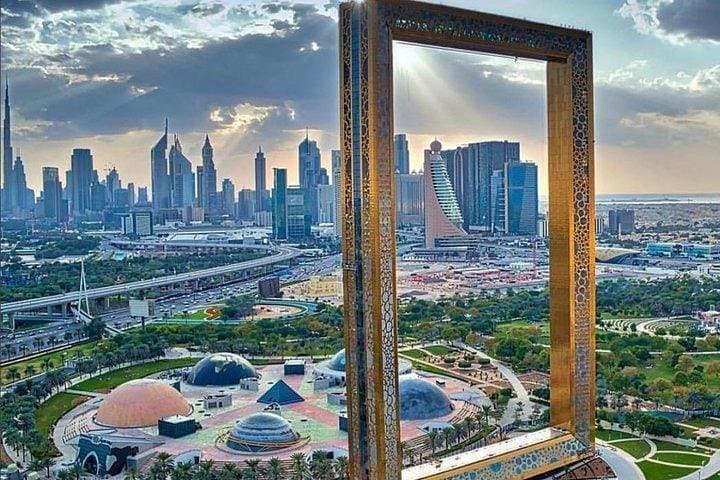
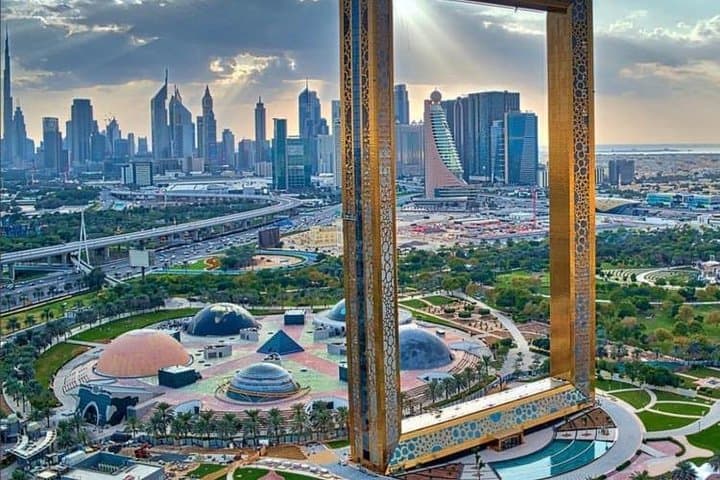
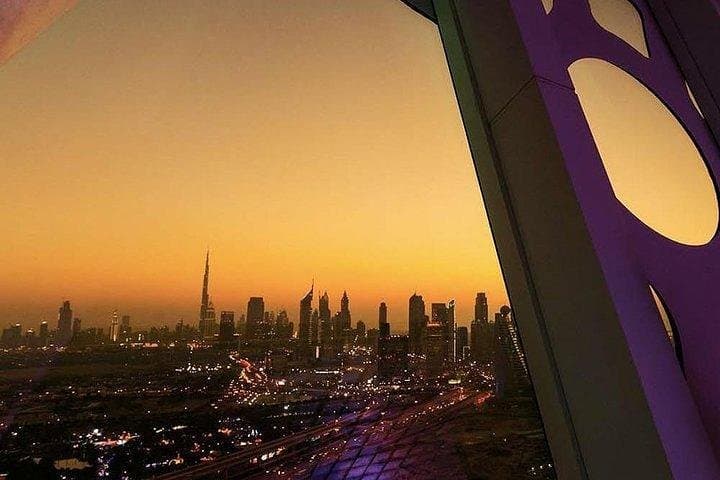
The elevator hums and the city slides open beneath you: to the north, the copper roofs and low-rise lanes of old Dubai fold toward the Creek; to the south, a serrated skyline of towers cuts the Arabian sun. At 150 meters, the Dubai Frame’s glass-floored bridge gives a literal split-screen of a city built twice over.
Verified experiences and guided adventures in the surrounding area.
Operated by Tabeer Tours · Dubai, Dubai
The elevator hums and the city slides open beneath you: to the north, the copper roofs and low-rise lanes of old Dubai fold toward the Creek; to the south, a serrated skyline of towers cuts the Arabian sun. At 150 meters, the Dubai Frame’s glass-floored bridge gives a literal split-screen of a city built twice over.
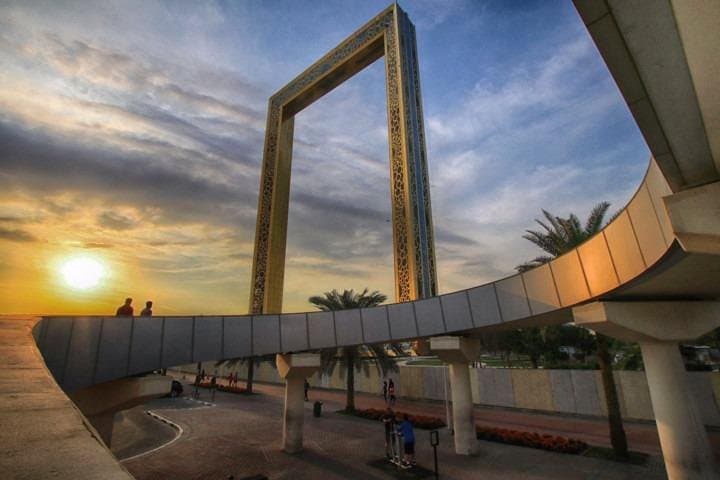
Opened in 2018 and designed as a modern landmark, the Frame is two vertical towers joined by a 100-square-meter sky bridge, anchored at Zabeel Park near Dubai Creek. The ground-level gallery uses photos and interactive displays to map Dubai’s rapid transformation from a fishing and pearling outpost into today’s global hub. Geologically the area sits on the coastal plain of the Persian Gulf, reclaimed in places for urban expansion; culturally the spot highlights Dubai’s deliberate choreography between heritage districts and futuristic development.
Practicalities are straightforward: transfers are typically included, mobile tickets accepted, and a visit runs about 2–3 hours including pickup and return. The glass walkway offers a thrill but follows strict safety and medical guidelines—pregnant visitors and those with serious heart or spinal conditions should avoid the bridge.
Timing matters: aim for golden hour for the best light and cooler temperatures, and allow time for the museum, café, and viewpoints. Bring sun protection, a camera with wide-angle capability, and comfortable shoes for the park approach. Expect security screening and moderate queues at peak times. The Frame is compact but efficient—an urban viewpoint that reads the city’s past and future in a single, high-altitude glance.
easy.
2–3 hours.
Light walking and standing; no special fitness required but expect a short stair/elevator transition and some standing on the bridge.
This experience lists hotel pickup and drop-off as included—confirm your pickup point and time during booking.
Allow about 2–3 hours for pickup, the museum/gallery, sky bridge, café stop, and return transfer.
Yes—the bridge meets safety standards; however, it’s not recommended for pregnant visitors or those with serious heart or spinal conditions.
Yes; mobile or paper tickets are accepted, and staff will scan your ticket at the entrance.
The Dubai Frame opened in 2018 to mark the city’s architectural ambition; its exhibits chart Dubai’s growth from a small coastal settlement to a global trade and tourism center.
Visitors should stay on marked pathways, dispose of waste in bins, and conserve water—Dubai’s arid environment relies on managed resources and responsible tourism.
Tabeer Tours operates guided outdoor trips and adventures with an emphasis on safety, stewardship, and memorable experiences.
The elevator hums and the city slides open beneath you: to the north, the copper roofs and low-rise lanes of old Dubai fold toward the Creek; to the south, a serrated skyline of towers cuts the Arabian sun. At 150 meters, the Dubai Frame’s glass-floored bridge gives a literal split-screen of a city built twice over.
The elevator hums and the city slides open beneath you: to the north, the copper roofs and low-rise lanes of old Dubai fold toward the Creek; to the south, a serrated skyline of towers cuts the Arabian sun. At 150 meters, the Dubai Frame’s glass-floored bridge gives a literal split-screen of a city built twice over.
Opened in 2018 and designed as a modern landmark, the Frame is two vertical towers joined by a 100-square-meter sky bridge, anchored at Zabeel Park near Dubai Creek. The ground-level gallery uses photos and interactive displays to map Dubai’s rapid transformation from a fishing and pearling outpost into today’s global hub. Geologically the area sits on the coastal plain of the Persian Gulf, reclaimed in places for urban expansion; culturally the spot highlights Dubai’s deliberate choreography between heritage districts and futuristic development.
Practicalities are straightforward: transfers are typically included, mobile tickets accepted, and a visit runs about 2–3 hours including pickup and return. The glass walkway offers a thrill but follows strict safety and medical guidelines—pregnant visitors and those with serious heart or spinal conditions should avoid the bridge.
Timing matters: aim for golden hour for the best light and cooler temperatures, and allow time for the museum, café, and viewpoints. Bring sun protection, a camera with wide-angle capability, and comfortable shoes for the park approach. Expect security screening and moderate queues at peak times. The Frame is compact but efficient—an urban viewpoint that reads the city’s past and future in a single, high-altitude glance.