THE ADVENTURE COLLECTIVE® · Independent discovery and booking for outdoor travel

Perched 150 meters above Zabeel Park, the Dubai Frame delivers a literal picture of the emirate: old Dubai on one side, futuristic towers on the other. Quick, accessible, and photo-ready, it’s a tight sightseeing stop that pairs a compact museum with a dramatic sky deck.
Perched 150 meters above Zabeel Park, the Dubai Frame delivers a literal picture of the emirate: old Dubai on one side, futuristic towers on the other. Quick, accessible, and photo-ready, it’s a tight sightseeing stop that pairs a compact museum with a dramatic sky deck.
You step out of Zabeel Park and the city narrows to a single, gilded rectangle—two 150-meter towers joined by a sky bridge that frames Dubai like a living photograph.
Verified experiences and guided adventures in the surrounding area.
Operated by Bilal Ahmed · Dubai, Dubai
You step out of Zabeel Park and the city narrows to a single, gilded rectangle—two 150-meter towers joined by a sky bridge that frames Dubai like a living photograph.
Inside, the Dubai Frame traces the emirate's improbable arc from creekside fishing settlement to global metropolis. The ground-level galleries use photos and projection to narrate Dubai's rapid growth; an elevator then spits you onto a 100-square-meter bridge where glass panels let the city fall away beneath your feet. On one side the low-rise alleys of old Dubai fold toward the creek; on the other the steel-and-glass verticality of Downtown and the Burj Khalifa rise like a challenge.
Geologically this viewpoint sits on Dubai's coastal plain—land reclaimed and compacted from sand and marine sediments—so the view is less about raw peaks and more about human-shaped topography and engineered skyline.
Culturally, the Frame is deliberate: an urban photo‑op that asks you to consider continuity as much as contrast. Local visitors often time visits for late afternoon light when the old souq and new towers share the same warm glow.
Practical guidance: book a timed slot to avoid queues and aim for early morning or sunset for best light. ID is required at entry and food is not permitted; the site is wheelchair and stroller accessible but expect a short wait for the elevator at peak times. Bring sunglasses, modest dress out of respect for local customs, and a charged phone for skyline photos—the glass walkway is the star attraction but the museum adds useful context to what you see above.
easy.
1–2 hours.
Suitable for all fitness levels; primarily elevator and short walks on level surfaces
Yes, tickets are sold for timed entry slots—book in advance to secure morning or sunset access and reduce wait times.
Yes. The attraction and its elevators are wheelchair accessible; specialized assistance is available on request.
No. Food and beverages are not permitted inside the galleries or on the sky bridge; a small café on the bridge serves refreshments in designated areas.
Plan 60–120 minutes to see the museum, experience the Virtual Metropolis exhibit, and spend time on the sky deck and glass bridge.
Opened in 2018, the Dubai Frame was conceived as a physical and symbolic link between old Dubai and the rapid urban expansion of the new city.
The attraction enforces no-food and no-touch policies to protect exhibits; prefer public transit and avoid single-use plastics when visiting.
Bilal Ahmed operates guided outdoor trips and adventures with an emphasis on safety, stewardship, and memorable experiences.
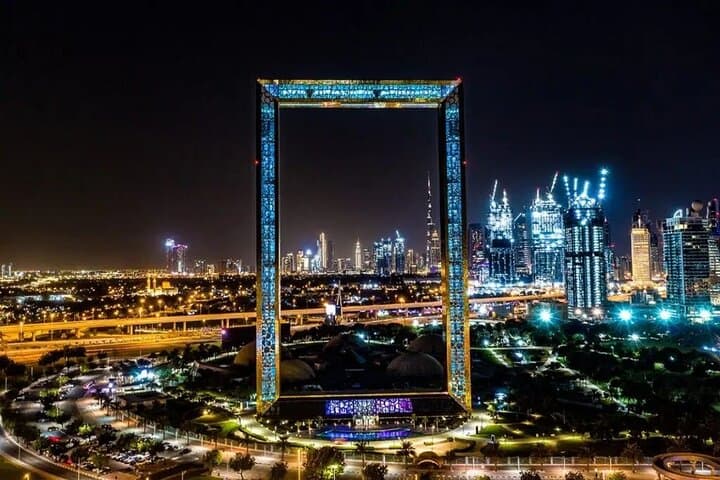
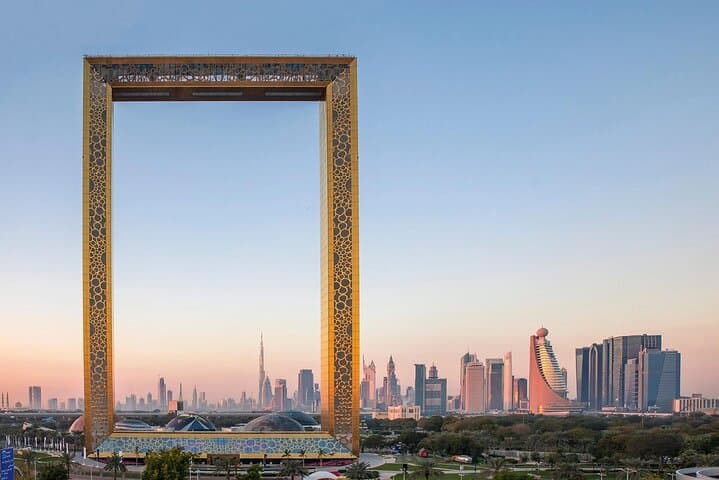
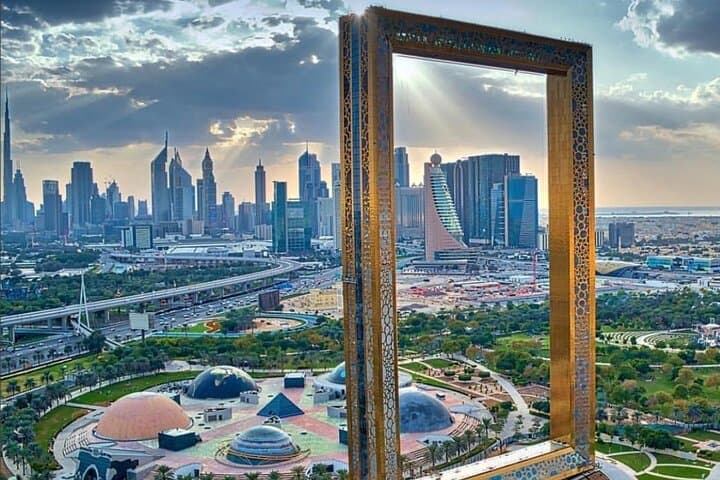
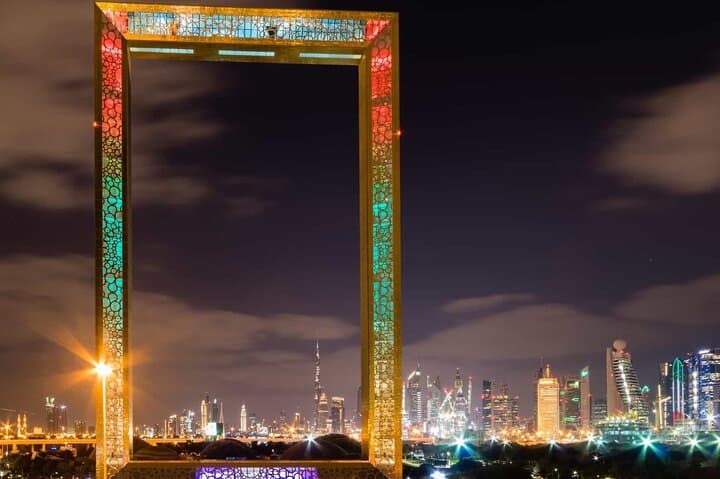
You step out of Zabeel Park and the city narrows to a single, gilded rectangle—two 150-meter towers joined by a sky bridge that frames Dubai like a living photograph.
You step out of Zabeel Park and the city narrows to a single, gilded rectangle—two 150-meter towers joined by a sky bridge that frames Dubai like a living photograph.
Inside, the Dubai Frame traces the emirate's improbable arc from creekside fishing settlement to global metropolis. The ground-level galleries use photos and projection to narrate Dubai's rapid growth; an elevator then spits you onto a 100-square-meter bridge where glass panels let the city fall away beneath your feet. On one side the low-rise alleys of old Dubai fold toward the creek; on the other the steel-and-glass verticality of Downtown and the Burj Khalifa rise like a challenge.
Geologically this viewpoint sits on Dubai's coastal plain—land reclaimed and compacted from sand and marine sediments—so the view is less about raw peaks and more about human-shaped topography and engineered skyline.
Culturally, the Frame is deliberate: an urban photo‑op that asks you to consider continuity as much as contrast. Local visitors often time visits for late afternoon light when the old souq and new towers share the same warm glow.
Practical guidance: book a timed slot to avoid queues and aim for early morning or sunset for best light. ID is required at entry and food is not permitted; the site is wheelchair and stroller accessible but expect a short wait for the elevator at peak times. Bring sunglasses, modest dress out of respect for local customs, and a charged phone for skyline photos—the glass walkway is the star attraction but the museum adds useful context to what you see above.