THE ADVENTURE COLLECTIVE® · Independent discovery and booking for outdoor travel

Perched above Zabeel Park, the Dubai Frame offers a compact, high-impact look at the city’s past and present. Learn what to expect, best times to visit, accessibility notes, and simple tips to get the most from the glass-floored bridge.
Perched above Zabeel Park, the Dubai Frame offers a compact, high-impact look at the city’s past and present. Learn what to expect, best times to visit, accessibility notes, and simple tips to get the most from the glass-floored bridge.
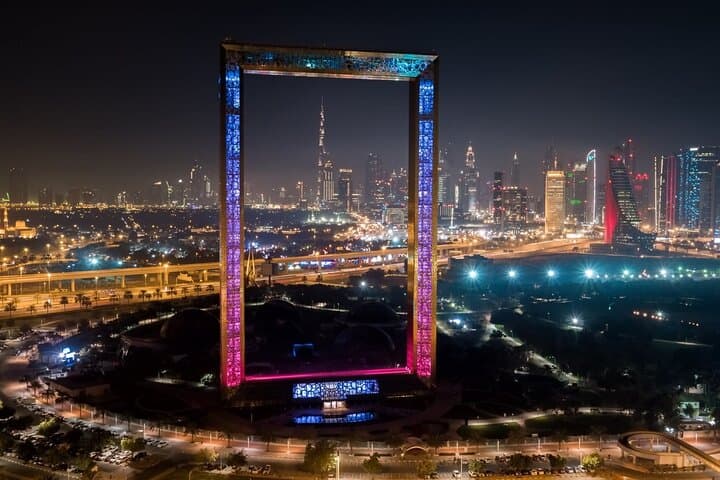
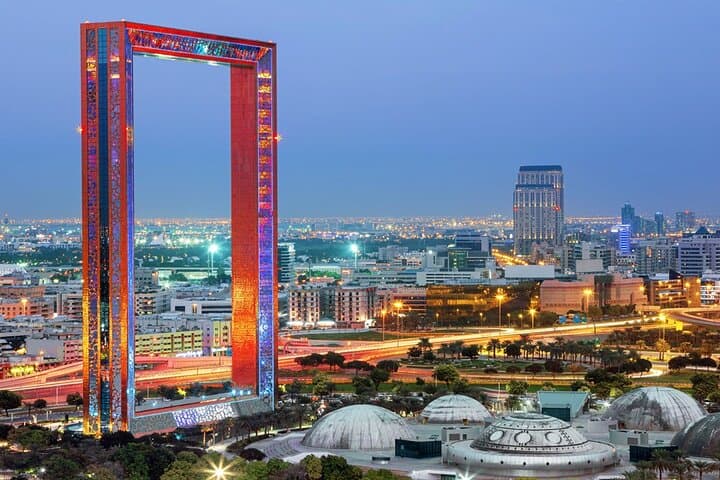
You step out of Zabeel Park and the Frame rises like a cutout of the city—two towers, a metal-rimmed bridge, and a glass floor that pins the old city to the new.
Verified experiences and guided adventures in the surrounding area.
Operated by ALATWAL TRAVEL · Dubai, Dubai
You step out of Zabeel Park and the Frame rises like a cutout of the city—two towers, a metal-rimmed bridge, and a glass floor that pins the old city to the new.
Opened in 2018 and reaching 150 meters, the Dubai Frame was conceived as a literal frame for the city: the north side presents older neighborhoods, the south faces towering contemporary skyline. The site sits on Dubai’s coastal plain, built on compacted sands and engineered foundations rather than bedrock, a reminder that much of the city’s skyline rises from reclaimed and stabilized ground.
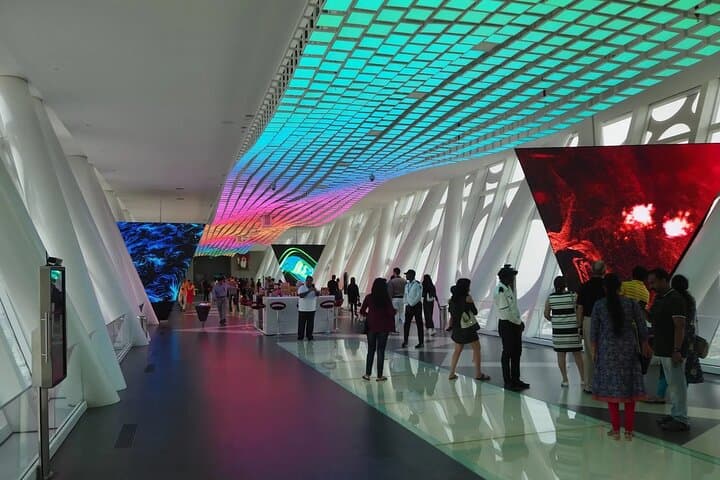
Culturally, the Frame is both monument and museum: exhibits inside chart Dubai’s rapid transformation from pearling village to vertical metropolis. Architecturally it blends aluminum, steel and glass; at night the façade becomes a canvas for light, while the glass walkway dares you to look straight down at the park below.
Practical guidance: plan 60–120 minutes. Elevators take visitors to the bridge—expect security screening and timed-entry during busy periods. For clear views, aim for late afternoon through early evening when the light softens and the skyline’s contrast improves; mid-day heat and glare reduce visibility. The attraction is wheelchair-accessible and stroller-friendly, but the glass floor may unsettle those with vertigo. Bring water, sun protection, and a camera with a wide-angle lens for skyline panoramas. Photography is allowed, but tripods are usually restricted. Since all sales are final, confirm schedules before you go.
The Frame is a compact, high-impact urban viewpoint: quick to visit, rich in contrast, and useful as a single-stop primer on Dubai’s past and present.
easy.
1–2 hours.
Suitable for all fitness levels; involves elevator access and short walks on level surfaces
Tickets are recommended during peak tourist seasons and for sunset slots; the product offers mobile tickets and instant confirmation.
Yes—elevators, ramps, and accessible surfaces are provided from the park entrance to the observation deck.
Most visitors spend 60–120 minutes including exhibits, bridge access, and time for photos.
Yes—there is a reinforced glass walkway on the bridge; it is regularly maintained and rated for visitor use, though it may be unsettling for those with a fear of heights.
The Dubai Frame opened in 2018 as a civic monument designed to symbolically link the city’s historic neighborhoods with its modern development.
Visitors are encouraged to follow park rules, use marked paths, and avoid littering; light management and responsible tourism protect night-sky views and reduce neighborhood disturbance.
ALATWAL TRAVEL operates guided outdoor trips and adventures with an emphasis on safety, stewardship, and memorable experiences.
You step out of Zabeel Park and the Frame rises like a cutout of the city—two towers, a metal-rimmed bridge, and a glass floor that pins the old city to the new.
You step out of Zabeel Park and the Frame rises like a cutout of the city—two towers, a metal-rimmed bridge, and a glass floor that pins the old city to the new.
Opened in 2018 and reaching 150 meters, the Dubai Frame was conceived as a literal frame for the city: the north side presents older neighborhoods, the south faces towering contemporary skyline. The site sits on Dubai’s coastal plain, built on compacted sands and engineered foundations rather than bedrock, a reminder that much of the city’s skyline rises from reclaimed and stabilized ground.
Culturally, the Frame is both monument and museum: exhibits inside chart Dubai’s rapid transformation from pearling village to vertical metropolis. Architecturally it blends aluminum, steel and glass; at night the façade becomes a canvas for light, while the glass walkway dares you to look straight down at the park below.
Practical guidance: plan 60–120 minutes. Elevators take visitors to the bridge—expect security screening and timed-entry during busy periods. For clear views, aim for late afternoon through early evening when the light softens and the skyline’s contrast improves; mid-day heat and glare reduce visibility. The attraction is wheelchair-accessible and stroller-friendly, but the glass floor may unsettle those with vertigo. Bring water, sun protection, and a camera with a wide-angle lens for skyline panoramas. Photography is allowed, but tripods are usually restricted. Since all sales are final, confirm schedules before you go.
The Frame is a compact, high-impact urban viewpoint: quick to visit, rich in contrast, and useful as a single-stop primer on Dubai’s past and present.