THE ADVENTURE COLLECTIVE® · Independent discovery and booking for outdoor travel

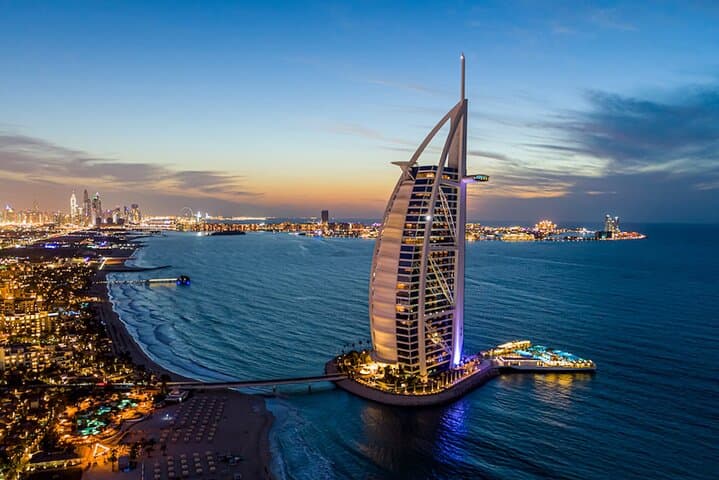
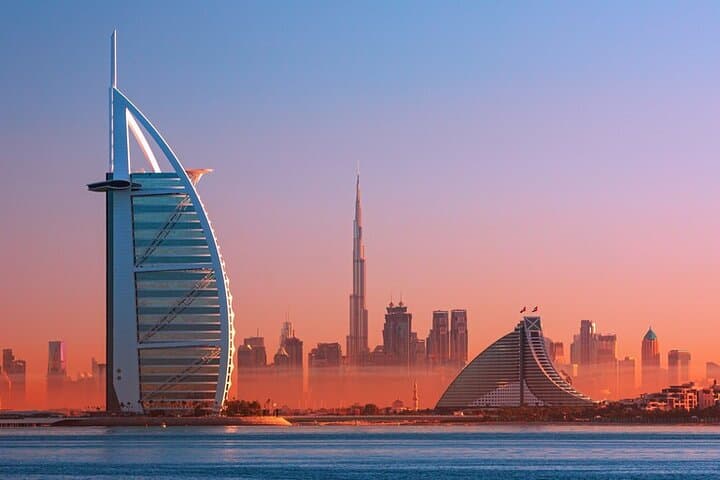
Combine panoramic city views from the Dubai Frame with a refined afternoon tea at the Burj Al Arab. This half‑day tour includes transfers, entry, and a timed dining experience — ideal for travelers who want high‑impact Dubai sights in a single outing.
Combine panoramic city views from the Dubai Frame with a refined afternoon tea at the Burj Al Arab. This half‑day tour includes transfers, entry, and a timed dining experience — ideal for travelers who want high‑impact Dubai sights in a single outing.
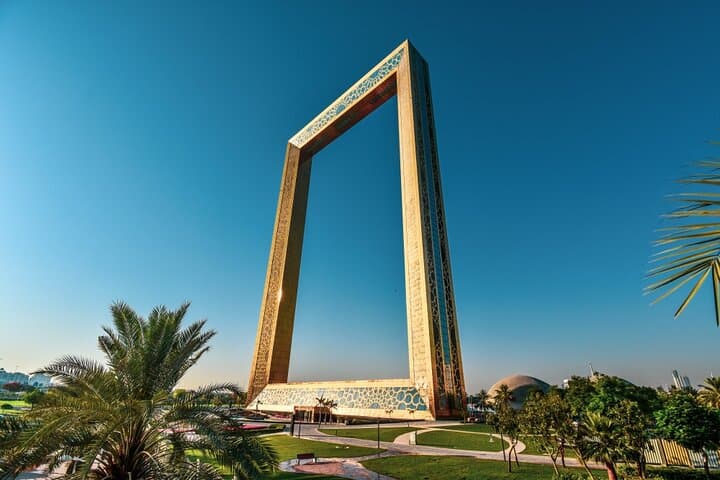
You step out of the air‑conditioned van into a brisk Dubai skyline — glass towers and a slender frame that lifts like a window to two eras. The Dubai Frame reads like a city-wide photograph: from one side, winding creekside neighborhoods that kept Dubai trading; from the other, a horizon of engineered beaches and the Palm’s geometry. The frame’s golden rim draws your eye, while the Arabian Gulf dares the coastline beyond.
Verified experiences and guided adventures in the surrounding area.
Operated by Sougat Travel & Tourism LLC · Dubai, Dubai
You step out of the air‑conditioned van into a brisk Dubai skyline — glass towers and a slender frame that lifts like a window to two eras. The Dubai Frame reads like a city-wide photograph: from one side, winding creekside neighborhoods that kept Dubai trading; from the other, a horizon of engineered beaches and the Palm’s geometry. The frame’s golden rim draws your eye, while the Arabian Gulf dares the coastline beyond.
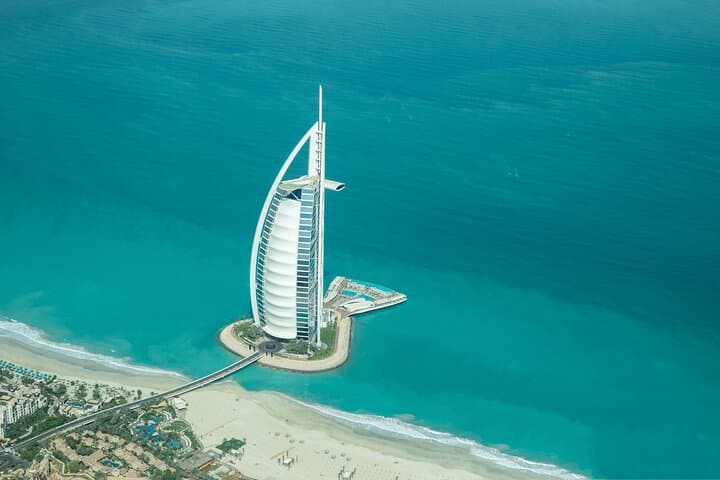
The Frame itself is recent, opened in 2018 as a literal connection between old and new Dubai; the structure sits on reclaimed coastal plain and offers a vantage that makes the city’s rapid geology — sand, sea, and engineered islands — obvious. Nearby, Burj Al Arab represents a different era: a man-made island and hotel built to announce Dubai’s luxury ambitions in the 1990s. Together they bookend the emirate’s cultural pivot from trading port to global tourism hub.
Expect quick access and curated views: elevators carry you to the skydeck, glass panels reveal the length of the coast, and interpretive displays explain urban development. Afternoon tea at Burj Al Arab is a formal, timed dining experience — service, presentation, and views of the Gulf are the focus, not wandering.
Practicalities: tours typically include hotel transfer, a timed Frame entry ticket, and a reserved tea seating; carry ID for Burj Al Arab access and arrive early for security screening. Dress smart‑casual for the hotel; lightweight layers work for moving between cool interiors and warm exteriors. Hydrate before and after outdoor viewing, and leave bulky backpacks on the transfer vehicle — both sites have security and bag checks.
easy.
4 hours.
Suitable for all fitness levels; involves standing and short walks on flat surfaces and elevator access.
Yes — this tour lists pickup and drop off to your location as part of the included services.
Mobile tickets are accepted; you can also use printed tickets if preferred.
Infants can join but must sit on an adult’s lap for the tea seating; confirm any infant policies when booking transfers.
Burj Al Arab expects smart or smart‑casual attire for afternoon tea; avoid beachwear, flip‑flops, and overly casual shorts.
The Dubai Frame was completed in 2018 to symbolize the link between the city’s historic creeklands and its modern development; Burj Al Arab, opened in 1999, sits on a man‑made island built during Dubai’s tourism expansion.
High visitor numbers demand strict litter and noise control in public parks; respect designated walkways in Zabeel Park and follow hotel guidelines to reduce impact.
Sougat Travel & Tourism LLC operates guided outdoor trips and adventures with an emphasis on safety, stewardship, and memorable experiences.
You step out of the air‑conditioned van into a brisk Dubai skyline — glass towers and a slender frame that lifts like a window to two eras. The Dubai Frame reads like a city-wide photograph: from one side, winding creekside neighborhoods that kept Dubai trading; from the other, a horizon of engineered beaches and the Palm’s geometry. The frame’s golden rim draws your eye, while the Arabian Gulf dares the coastline beyond.
You step out of the air‑conditioned van into a brisk Dubai skyline — glass towers and a slender frame that lifts like a window to two eras. The Dubai Frame reads like a city-wide photograph: from one side, winding creekside neighborhoods that kept Dubai trading; from the other, a horizon of engineered beaches and the Palm’s geometry. The frame’s golden rim draws your eye, while the Arabian Gulf dares the coastline beyond.
The Frame itself is recent, opened in 2018 as a literal connection between old and new Dubai; the structure sits on reclaimed coastal plain and offers a vantage that makes the city’s rapid geology — sand, sea, and engineered islands — obvious. Nearby, Burj Al Arab represents a different era: a man-made island and hotel built to announce Dubai’s luxury ambitions in the 1990s. Together they bookend the emirate’s cultural pivot from trading port to global tourism hub.
Expect quick access and curated views: elevators carry you to the skydeck, glass panels reveal the length of the coast, and interpretive displays explain urban development. Afternoon tea at Burj Al Arab is a formal, timed dining experience — service, presentation, and views of the Gulf are the focus, not wandering.
Practicalities: tours typically include hotel transfer, a timed Frame entry ticket, and a reserved tea seating; carry ID for Burj Al Arab access and arrive early for security screening. Dress smart‑casual for the hotel; lightweight layers work for moving between cool interiors and warm exteriors. Hydrate before and after outdoor viewing, and leave bulky backpacks on the transfer vehicle — both sites have security and bag checks.