THE ADVENTURE COLLECTIVE® · Independent discovery and booking for outdoor travel

See two of Dubai’s most striking viewpoints in one visit: the Dubai Frame’s city‑split panorama and The View at The Palm’s 240‑meter look over Palm Jumeirah. This combo offers fast access, skyline photography, and practical advice to time your visit.
See two of Dubai’s most striking viewpoints in one visit: the Dubai Frame’s city‑split panorama and The View at The Palm’s 240‑meter look over Palm Jumeirah. This combo offers fast access, skyline photography, and practical advice to time your visit.
You step onto glass and the city rearranges itself beneath you — a grid of light, water, and stone that feels both deliberate and alive. At the Dubai Frame you face the city’s two faces: to one side, the older neighborhoods and the creek; to the other, glittering towers that rose in a few decades. Later, at The View at The Palm you climb to 240 meters and the Palm Jumeirah fans out like a hand reaching into the Arabian Gulf, its fronds, villas and beaches laid out with precise geometry.
Verified experiences and guided adventures in the surrounding area.
Operated by STAR ROYAL FALCON · Dubai, Dubai
You step onto glass and the city rearranges itself beneath you — a grid of light, water, and stone that feels both deliberate and alive. At the Dubai Frame you face the city’s two faces: to one side, the older neighborhoods and the creek; to the other, glittering towers that rose in a few decades. Later, at The View at The Palm you climb to 240 meters and the Palm Jumeirah fans out like a hand reaching into the Arabian Gulf, its fronds, villas and beaches laid out with precise geometry.
The Dubai Frame (opened 2018) was conceived as a literal and symbolic window between old and new Dubai; its exhibitions walk visitors through the emirate’s rapid transformation. The Palm Jumeirah, an engineered island begun in the early 2000s, is an exercise in modern coastal engineering — reclaimed land shaped into a palm that reshaped Dubai’s coastline.
Expect elevators, glass walkways and curated exhibits rather than wilderness: these are urban viewpoints designed for panoramic photography and quick immersion in local storylines. Plan for queues at popular times and bright midday sun reflecting off glass and water. Public transit and taxis serve both sites; allow four hours for both attractions and travel time between them.
Practical tips: visit at golden hour for softer light, bring sun protection and a light layer for air-conditioned interiors, carry photocapable ID for ticketing, and use the timed entry on your mobile ticket to minimize waits. Keep water on hand — the Gulf wind will cool you but the sun is insistent. These vantage points reward patience: sit a while and watch the city move below.
easy.
4 hours.
Suitable for all fitness levels; involves short walks, stairs and elevator access.
This combo offers access to both attractions with separate timed entries included in the booking; follow the mobile ticket instructions for each venue.
Both sites provide elevator access and are generally wheelchair accessible, though some viewpoints use glass walkways—check the venue accessibility pages for specifics.
Arrive an hour before sunset for softer light and fewer harsh reflections; early morning is another option when the city is quieter.
Yes—Dubai’s metro, tram and taxis cover both areas; plan 30–60 minutes for transit depending on traffic and transfers.
The Dubai Frame was designed to juxtapose old and new Dubai and opened in 2018; Palm Jumeirah is a major engineered island developed in the early 21st century that reshaped the emirate’s coast.
Dubai’s coastal development pressures local habitats; visitors can reduce impact by staying on designated walkways, disposing of waste properly and using public transport where possible.
STAR ROYAL FALCON operates guided outdoor trips and adventures with an emphasis on safety, stewardship, and memorable experiences.
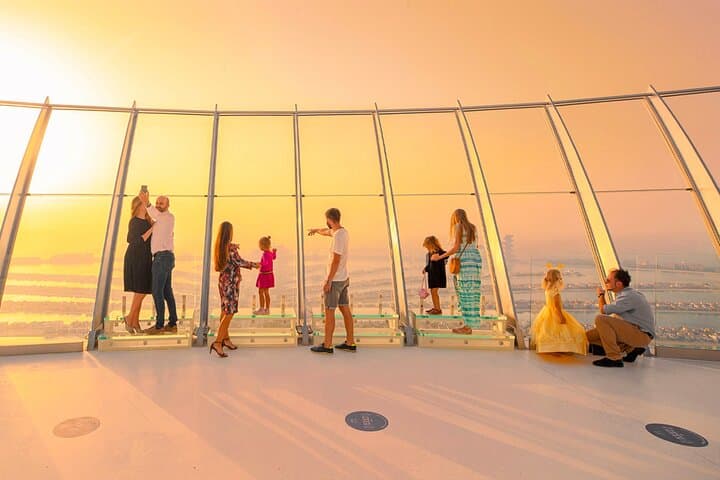
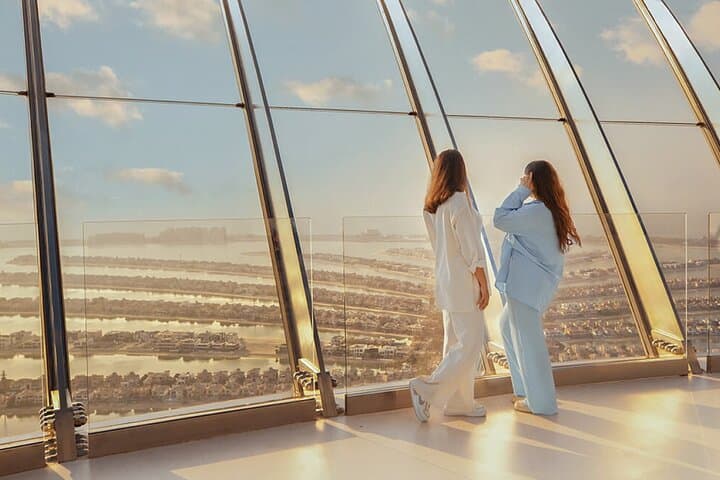
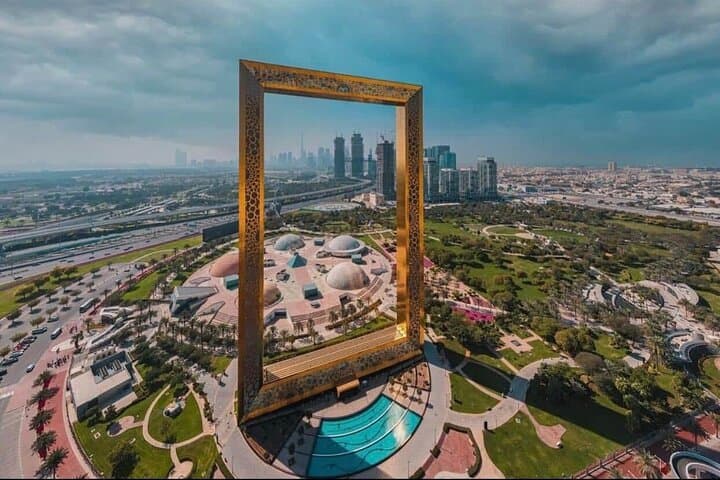
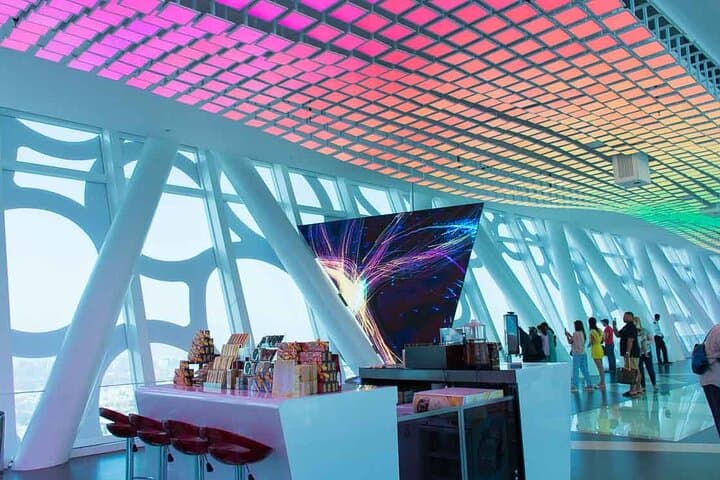
You step onto glass and the city rearranges itself beneath you — a grid of light, water, and stone that feels both deliberate and alive. At the Dubai Frame you face the city’s two faces: to one side, the older neighborhoods and the creek; to the other, glittering towers that rose in a few decades. Later, at The View at The Palm you climb to 240 meters and the Palm Jumeirah fans out like a hand reaching into the Arabian Gulf, its fronds, villas and beaches laid out with precise geometry.
You step onto glass and the city rearranges itself beneath you — a grid of light, water, and stone that feels both deliberate and alive. At the Dubai Frame you face the city’s two faces: to one side, the older neighborhoods and the creek; to the other, glittering towers that rose in a few decades. Later, at The View at The Palm you climb to 240 meters and the Palm Jumeirah fans out like a hand reaching into the Arabian Gulf, its fronds, villas and beaches laid out with precise geometry.
The Dubai Frame (opened 2018) was conceived as a literal and symbolic window between old and new Dubai; its exhibitions walk visitors through the emirate’s rapid transformation. The Palm Jumeirah, an engineered island begun in the early 2000s, is an exercise in modern coastal engineering — reclaimed land shaped into a palm that reshaped Dubai’s coastline.
Expect elevators, glass walkways and curated exhibits rather than wilderness: these are urban viewpoints designed for panoramic photography and quick immersion in local storylines. Plan for queues at popular times and bright midday sun reflecting off glass and water. Public transit and taxis serve both sites; allow four hours for both attractions and travel time between them.
Practical tips: visit at golden hour for softer light, bring sun protection and a light layer for air-conditioned interiors, carry photocapable ID for ticketing, and use the timed entry on your mobile ticket to minimize waits. Keep water on hand — the Gulf wind will cool you but the sun is insistent. These vantage points reward patience: sit a while and watch the city move below.