THE ADVENTURE COLLECTIVE® · Independent discovery and booking for outdoor travel

Perched above Zabeel Park, the Dubai Frame frames both historic creekside Dubai and the glass towers of the new city. Ride the elevator to a 150‑meter sky deck, explore a concise museum, and time your visit for softer light and fewer lines.
Perched above Zabeel Park, the Dubai Frame frames both historic creekside Dubai and the glass towers of the new city. Ride the elevator to a 150‑meter sky deck, explore a concise museum, and time your visit for softer light and fewer lines.
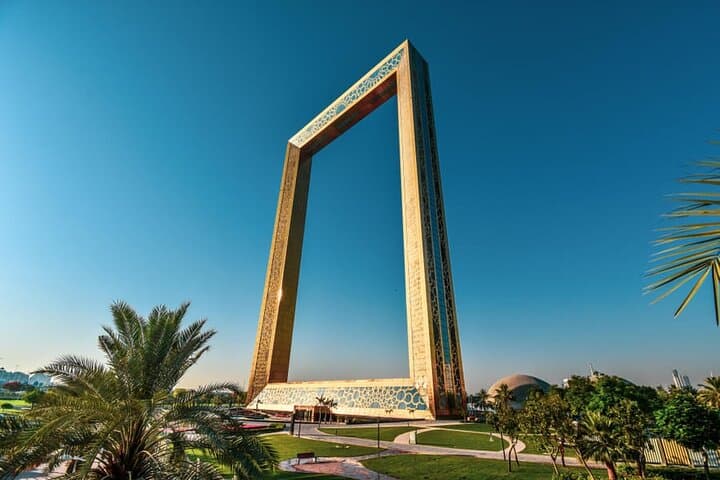
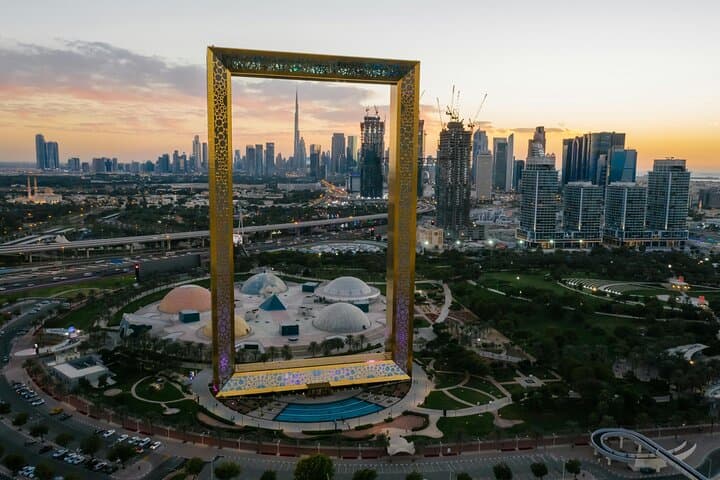
Step onto the plaza at Zabeel Park and the Dubai skyline rearranges itself: one frame captures low-rise wind towers and the spit of the creek, the other slices through glass-and-steel towers that pulse with LEDs at night. The Dubai Frame is literal in its promise — two 150‑meter vertical towers joined by a 100‑square‑meter sky deck that frames old Dubai on one side and the modern city on the other.
Verified experiences and guided adventures in the surrounding area.
Operated by Rayna Tourism · Dubai, Dubai
Step onto the plaza at Zabeel Park and the Dubai skyline rearranges itself: one frame captures low-rise wind towers and the spit of the creek, the other slices through glass-and-steel towers that pulse with LEDs at night. The Dubai Frame is literal in its promise — two 150‑meter vertical towers joined by a 100‑square‑meter sky deck that frames old Dubai on one side and the modern city on the other.
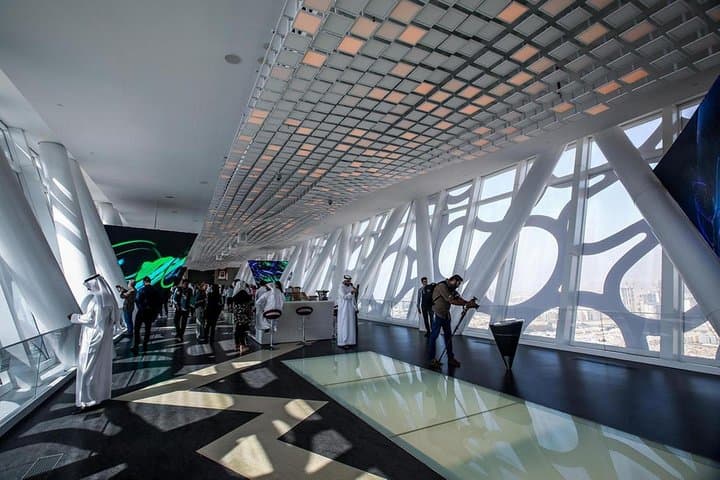
Inside, a compact museum traces the emirate’s leap from a fishing and pearling economy to a global metropolis, using photos, multimedia exhibits and a brief timeline that orients the view before you ride the elevator up. At the bridge, a partly glass floor asks you to measure height against horizon; a small café lets you linger with coffee while the city turns below.
Opened in 2018, the structure was conceived as both a viewpoint and a narrative device — a way to see Dubai’s past and present in one field of vision. Geologically and culturally the site sits where reclaimed land and old creekside neighborhoods meet contemporary urban planning.
Plan for queues during late afternoon and sunset; mornings are quieter and cooler. Tickets are mobile-friendly — download before arrival — and the site is accessible with elevators and short internal walks. Bring sun protection, carry water, and allow 60–90 minutes to take the museum, sky deck and photos at a relaxed pace. Public transit serves Zabeel Park, but a short walk from the bus or metro is required. The Frame is a compact visit that rewards curiosity: look for contrasts, note the skyline evolution, and leave time to wander Zabeel Park’s paths afterward.
easy.
1–2 hours.
Suitable for all fitness levels; minimal walking and elevator access
Plan 60–90 minutes to tour the museum, take the elevator and spend time on the sky deck; longer if you want to explore Zabeel Park.
Tickets are mobile-friendly; while timed slots may be used during busy periods, general admission allows flexible entry when availability exists — book ahead for peak times.
Yes — the site includes elevators and level access routes; some viewing areas have glass flooring but perimeter viewing is accessible.
The glass panels meet structural safety standards; children should be supervised and follow staff instructions while on the bridge.
Opened in 2018, the Dubai Frame was built to frame the visual and historical contrast between the city’s traditional creekside neighborhoods and its modern skyline.
Visitors are encouraged to use public transit to reduce traffic and to stay on designated paths in Zabeel Park to protect landscaped areas and bird habitat.
Rayna Tourism operates guided outdoor trips and adventures with an emphasis on safety, stewardship, and memorable experiences.
Step onto the plaza at Zabeel Park and the Dubai skyline rearranges itself: one frame captures low-rise wind towers and the spit of the creek, the other slices through glass-and-steel towers that pulse with LEDs at night. The Dubai Frame is literal in its promise — two 150‑meter vertical towers joined by a 100‑square‑meter sky deck that frames old Dubai on one side and the modern city on the other.
Step onto the plaza at Zabeel Park and the Dubai skyline rearranges itself: one frame captures low-rise wind towers and the spit of the creek, the other slices through glass-and-steel towers that pulse with LEDs at night. The Dubai Frame is literal in its promise — two 150‑meter vertical towers joined by a 100‑square‑meter sky deck that frames old Dubai on one side and the modern city on the other.
Inside, a compact museum traces the emirate’s leap from a fishing and pearling economy to a global metropolis, using photos, multimedia exhibits and a brief timeline that orients the view before you ride the elevator up. At the bridge, a partly glass floor asks you to measure height against horizon; a small café lets you linger with coffee while the city turns below.
Opened in 2018, the structure was conceived as both a viewpoint and a narrative device — a way to see Dubai’s past and present in one field of vision. Geologically and culturally the site sits where reclaimed land and old creekside neighborhoods meet contemporary urban planning.
Plan for queues during late afternoon and sunset; mornings are quieter and cooler. Tickets are mobile-friendly — download before arrival — and the site is accessible with elevators and short internal walks. Bring sun protection, carry water, and allow 60–90 minutes to take the museum, sky deck and photos at a relaxed pace. Public transit serves Zabeel Park, but a short walk from the bus or metro is required. The Frame is a compact visit that rewards curiosity: look for contrasts, note the skyline evolution, and leave time to wander Zabeel Park’s paths afterward.