THE ADVENTURE COLLECTIVE® · Independent discovery and booking for outdoor travel

Experience the red dunes outside Dubai in a single evening: adrenaline-fueled dune bashing, sandboarding, camel rides, and a cultural BBQ camp with live shows. Ideal for photographers and travelers seeking a hands-on introduction to Emirati desert life.
Experience the red dunes outside Dubai in a single evening: adrenaline-fueled dune bashing, sandboarding, camel rides, and a cultural BBQ camp with live shows. Ideal for photographers and travelers seeking a hands-on introduction to Emirati desert life.
The sun is low and the sand turns red; a line of 4x4s carves a ribbon through rolling dunes as wind sharpens the edges of every ripple. You arrive at the Lahbab red dunes—an open expanse where the landscape pushes back gently, not quietly. The driver eases the throttle, tires bite, and for a few heartbeats the desert feels both vast and immediate.
Verified experiences and guided adventures in the surrounding area.
Operated by Dubai Desert Dunes · Dubai, Dubai
The sun is low and the sand turns red; a line of 4x4s carves a ribbon through rolling dunes as wind sharpens the edges of every ripple. You arrive at the Lahbab red dunes—an open expanse where the landscape pushes back gently, not quietly. The driver eases the throttle, tires bite, and for a few heartbeats the desert feels both vast and immediate.
This region of the Arabian Peninsula was historically traversed by Bedouin caravans whose lives centered on camels and seasonal water sources. Geologically the dunes are wind-sculpted sand sheets—recent Holocene deposits shaped by prevailing northeasterly winds—rather than ancient stabilized dunes, which makes for loose, shifting slopes ideal for sandboarding and high-adrenaline driving.
At the camp, cultural touches—henna, falconry demonstrations, and traditional Khaliji rhythms—connect visitors to living Emirati traditions while a barbecue dinner showcases regional flavors: grilled meats, mezze, and sweet dates.
Practical guidance: arrive hydrated and sun-protected; dune-bashing involves repeated rises and drops, so those prone to motion sickness should plan accordingly. The camp experience is low-impact physically but expect sand everywhere—closed-toe shoes and a light scarf are useful. Tours typically include hotel transfer in air-conditioned vehicles and run about six hours, timed to catch sunset.
Whether you’re chasing a photograph of the sun sliding behind a crest or trying sandboarding for the first time, this safari balances spectacle with accessibility: structured activities, experienced guides, and clear safety routines make it an efficient way to experience the desert’s scale and culture in one evening.
moderate.
6 hours.
Light to moderate—suitable for most people but expect short walks in soft sand and bumpy vehicle rides.
Most shared desert safaris last about six hours, including hotel transfer, dune-bashing, and the camp program with dinner and shows.
Professional operators use experienced drivers and safety briefings; however, families with very young children or pregnant travelers should avoid the dune-bashing segment.
Yes—sandboarding is typically offered at a stop during the dune session and again at the camp for brief practice runs.
Yes—the barbecue buffet usually includes both vegetarian and halal-certified meat options; check with the operator for specific dietary needs.
The dunes around Lahbab lie along traditional Bedouin routes; camels once linked seasonal camps and markets across this landscape.
Tours increasingly follow defined tracks and use designated camps to reduce trampling and protect sensitive desert flora and archaeological sites.
Dubai Desert Dunes operates guided outdoor trips and adventures with an emphasis on safety, stewardship, and memorable experiences.

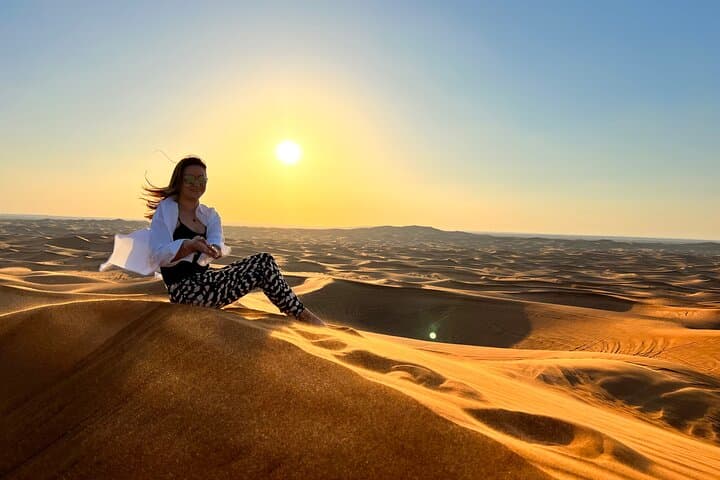
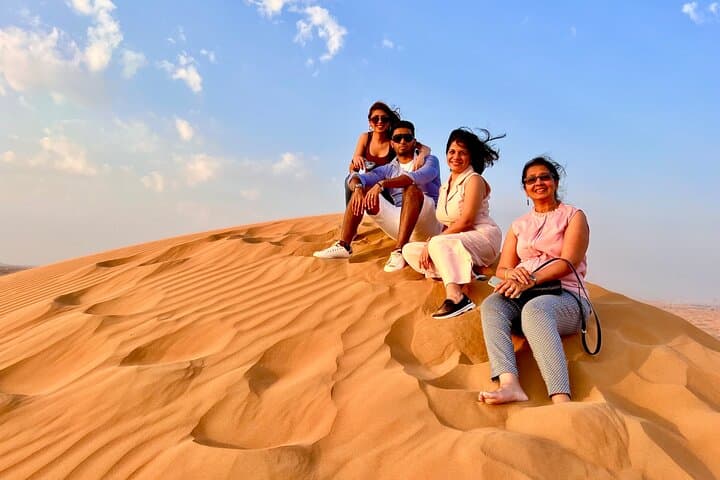

The sun is low and the sand turns red; a line of 4x4s carves a ribbon through rolling dunes as wind sharpens the edges of every ripple. You arrive at the Lahbab red dunes—an open expanse where the landscape pushes back gently, not quietly. The driver eases the throttle, tires bite, and for a few heartbeats the desert feels both vast and immediate.
The sun is low and the sand turns red; a line of 4x4s carves a ribbon through rolling dunes as wind sharpens the edges of every ripple. You arrive at the Lahbab red dunes—an open expanse where the landscape pushes back gently, not quietly. The driver eases the throttle, tires bite, and for a few heartbeats the desert feels both vast and immediate.
This region of the Arabian Peninsula was historically traversed by Bedouin caravans whose lives centered on camels and seasonal water sources. Geologically the dunes are wind-sculpted sand sheets—recent Holocene deposits shaped by prevailing northeasterly winds—rather than ancient stabilized dunes, which makes for loose, shifting slopes ideal for sandboarding and high-adrenaline driving.
At the camp, cultural touches—henna, falconry demonstrations, and traditional Khaliji rhythms—connect visitors to living Emirati traditions while a barbecue dinner showcases regional flavors: grilled meats, mezze, and sweet dates.
Practical guidance: arrive hydrated and sun-protected; dune-bashing involves repeated rises and drops, so those prone to motion sickness should plan accordingly. The camp experience is low-impact physically but expect sand everywhere—closed-toe shoes and a light scarf are useful. Tours typically include hotel transfer in air-conditioned vehicles and run about six hours, timed to catch sunset.
Whether you’re chasing a photograph of the sun sliding behind a crest or trying sandboarding for the first time, this safari balances spectacle with accessibility: structured activities, experienced guides, and clear safety routines make it an efficient way to experience the desert’s scale and culture in one evening.