THE ADVENTURE COLLECTIVE® · Independent discovery and booking for outdoor travel

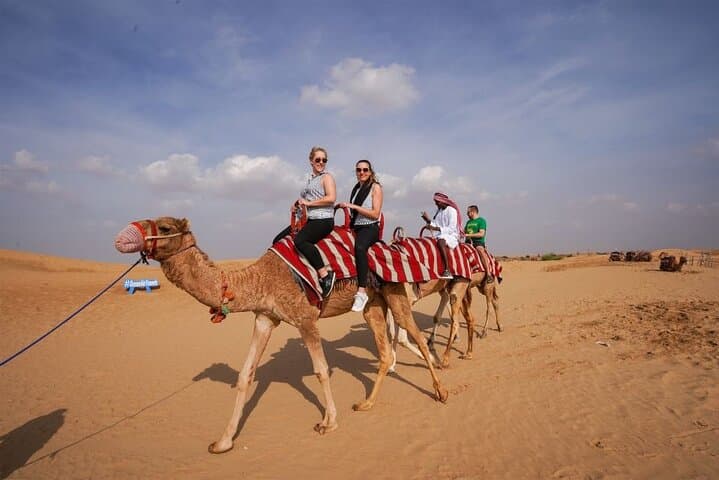
Experience high-speed dune bashing, a short camel ride, sand-boarding and a BBQ dinner under desert stars near Dubai. This guided evening tour blends Bedouin hospitality with adrenaline and cultural performances.
Experience high-speed dune bashing, a short camel ride, sand-boarding and a BBQ dinner under desert stars near Dubai. This guided evening tour blends Bedouin hospitality with adrenaline and cultural performances.
The sun drops low and the sand changes color—gold to copper—while your 4x4 threads a ribbon of tire tracks up a living dune. Wind shapes each crest as if the desert is breathing; the vehicle leans, then tumbles over the lip and you feel the landscape push back. That opening hour, when the dunes are still warm and the horizon slices clean, is the heartbeat of a Dubai desert safari.
Verified experiences and guided adventures in the surrounding area.
Operated by Dream Explorer Tourism · Dubai, Dubai
The sun drops low and the sand changes color—gold to copper—while your 4x4 threads a ribbon of tire tracks up a living dune. Wind shapes each crest as if the desert is breathing; the vehicle leans, then tumbles over the lip and you feel the landscape push back. That opening hour, when the dunes are still warm and the horizon slices clean, is the heartbeat of a Dubai desert safari.
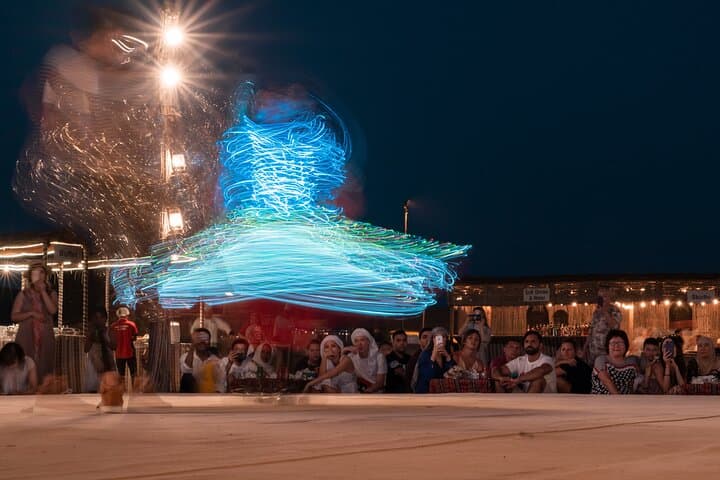
This region around the Lahbab and Dubai Desert Conservation Reserve carries Bedouin history: camel caravans and seasonal grazing shaped routes later mapped into modern tracks. Geologically the dunes are aeolian—wind-built hills of quartz and feldspar that migrate slowly but noticeably after strong winds. Culturally the evening blends old and new: qahwa (Arabic coffee) and date welcomes, falconry poses, then modern entertainment—tanoura and fire shows—arranged for visitors.
Practical side: tours run about six hours including hotel transfers, a 15–25 minute dune-bash segment, short camel rides, sand-boarding, and a buffet dinner at a desert camp. Expect uneven sandy terrain and bumpy riding; those with back or heart conditions should avoid dune-bashing. Timing the trip for late afternoon maximizes comfortable temperatures and photographic light. Pack sun protection, a light warm layer for cool nights, closed-toe shoes for sand, and a refillable water bottle.
Respect the dunes: keep to designated tracks, avoid littering, and follow guides—these actions preserve fragile vegetation and archaeological traces. The desert is active and responsive; approach it with curiosity and preparation, and it will offer dramatic light, simple rituals, and an evening that feels simultaneously ancient and staged for modern travelers.
easy.
6 hours.
Suitable for most fitness levels; you should be able to sit through a bumpy ride and walk short distances on soft sand.
Most operators include door-to-door transfers from Dubai hotels—confirm pickup time and point when you book.
Dune-bashing is not recommended for pregnant travelers or guests with spinal or serious heart conditions; alternatives at camp are available.
Yes—many camps offer falcon photo opportunities and Arabic dress for photos; availability may depend on time and local regulations.
Buffet menus typically include vegetarian options and meat prepared in common halal styles, but confirm dietary needs at booking.
The desert routes around Dubai were used by Bedouin tribes and camel caravans; evening camp rituals reference that hospitality tradition.
Dune ecosystems are fragile—stick to marked routes, avoid driving on vegetated areas, and take all litter back to camp to reduce erosion and habitat disturbance.
Dream Explorer Tourism operates guided outdoor trips and adventures with an emphasis on safety, stewardship, and memorable experiences.


The sun drops low and the sand changes color—gold to copper—while your 4x4 threads a ribbon of tire tracks up a living dune. Wind shapes each crest as if the desert is breathing; the vehicle leans, then tumbles over the lip and you feel the landscape push back. That opening hour, when the dunes are still warm and the horizon slices clean, is the heartbeat of a Dubai desert safari.
The sun drops low and the sand changes color—gold to copper—while your 4x4 threads a ribbon of tire tracks up a living dune. Wind shapes each crest as if the desert is breathing; the vehicle leans, then tumbles over the lip and you feel the landscape push back. That opening hour, when the dunes are still warm and the horizon slices clean, is the heartbeat of a Dubai desert safari.
This region around the Lahbab and Dubai Desert Conservation Reserve carries Bedouin history: camel caravans and seasonal grazing shaped routes later mapped into modern tracks. Geologically the dunes are aeolian—wind-built hills of quartz and feldspar that migrate slowly but noticeably after strong winds. Culturally the evening blends old and new: qahwa (Arabic coffee) and date welcomes, falconry poses, then modern entertainment—tanoura and fire shows—arranged for visitors.
Practical side: tours run about six hours including hotel transfers, a 15–25 minute dune-bash segment, short camel rides, sand-boarding, and a buffet dinner at a desert camp. Expect uneven sandy terrain and bumpy riding; those with back or heart conditions should avoid dune-bashing. Timing the trip for late afternoon maximizes comfortable temperatures and photographic light. Pack sun protection, a light warm layer for cool nights, closed-toe shoes for sand, and a refillable water bottle.
Respect the dunes: keep to designated tracks, avoid littering, and follow guides—these actions preserve fragile vegetation and archaeological traces. The desert is active and responsive; approach it with curiosity and preparation, and it will offer dramatic light, simple rituals, and an evening that feels simultaneously ancient and staged for modern travelers.