THE ADVENTURE COLLECTIVE® · Independent discovery and booking for outdoor travel

Experience Dubai’s contrasts in one package: a cultural city tour, an adrenaline-tinged desert safari and a relaxing dhow dinner on the Creek. Expect architecture, sand dunes, falconry and a waterfront evening over two to three days.
Experience Dubai’s contrasts in one package: a cultural city tour, an adrenaline-tinged desert safari and a relaxing dhow dinner on the Creek. Expect architecture, sand dunes, falconry and a waterfront evening over two to three days.
You step from a glass-and-steel hotel lobby into a city of bright edges and slow water: Dubai’s avenues hum while the Creek slips by, dark and patient, promising a different pace after the adrenaline of sand dunes.
Verified experiences and guided adventures in the surrounding area.
Operated by Oman Day Tours · Dubai, Dubai
You step from a glass-and-steel hotel lobby into a city of bright edges and slow water: Dubai’s avenues hum while the Creek slips by, dark and patient, promising a different pace after the adrenaline of sand dunes.
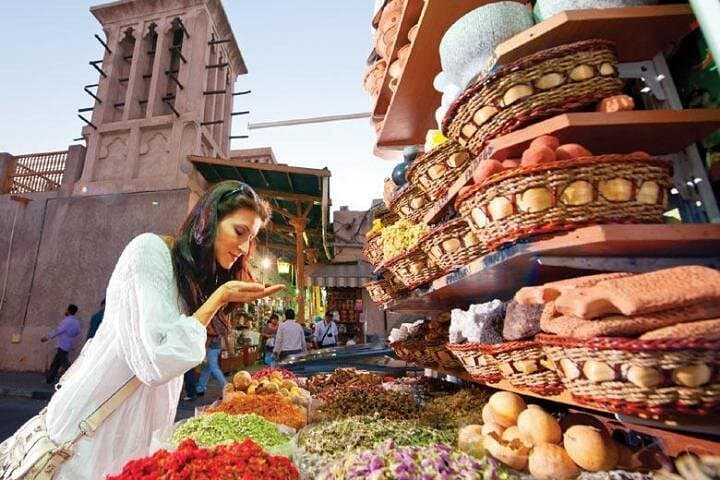
Begin with the city—Jumeirah Mosque and the lined palms of Jumeirah Beach give way to Sheikh Zayed Road’s towers and the low, earthen faces of Al Fahidi Fort. The contrast is geological and cultural: coastal mudflats once supported pearling villages before oil and global capital reshaped the shoreline and skyline. By afternoon the pavement thins and the desert takes over; dunes rise like liquid hills where dune bashing carves temporary tracks and the wind polishes the sand into warm ridges.
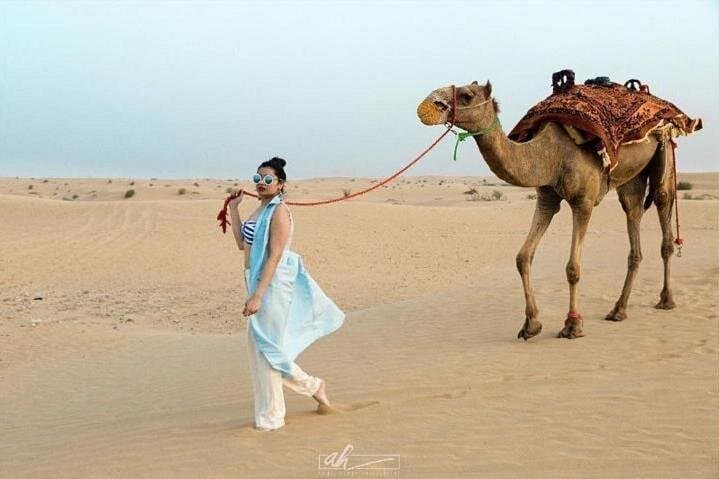
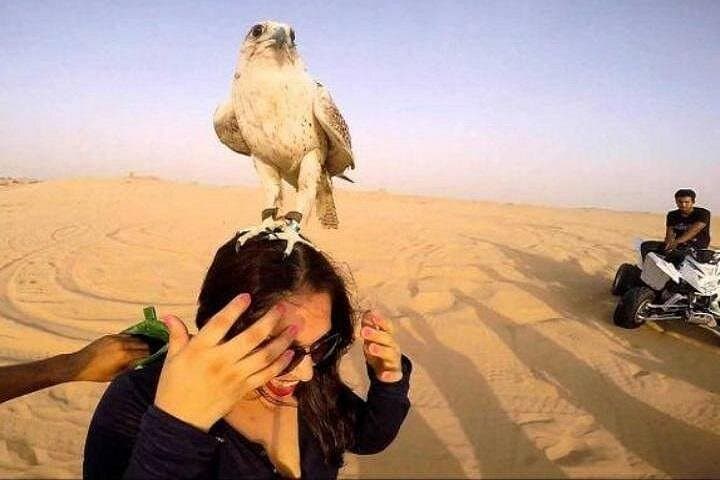
At the camp you’ll find falconry displays and short camel rides, then communal BBQ, Tanura and belly-dance performances that reflect Bedouin hospitality refracted through modern tourism.
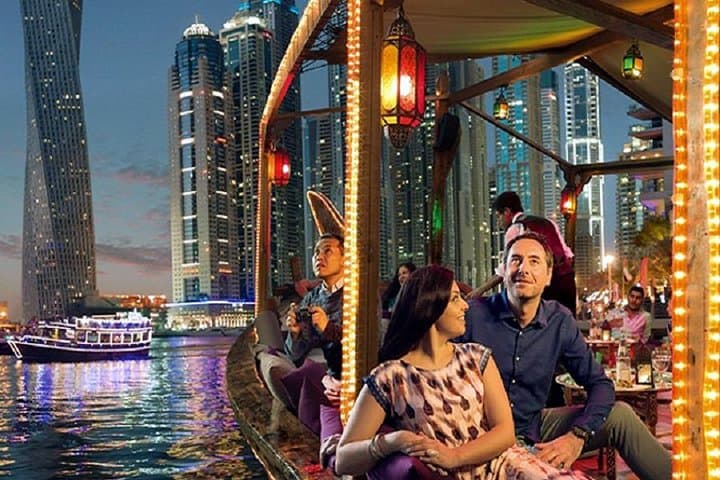
On the final evening, a wooden dhow carries you along Dubai Creek under lights that outline markets and old wind-tower houses; the creek’s current seems to usher you past the city’s trading past toward conversation and a steady international buffet.
Practical notes: plan this as a 2–3 day package with hotel pick-ups; carry sun protection and modest evening clothing for mosque visits and the dhow. Desert activities include short, thrilling dune bashes and brief camel rides—not technical but bumpy. Bring reusable water, a light layer for cooler desert nights, and a camera with charged batteries; phone reception is reliable in the city but patchy in remote desert pockets.
moderate.
2–3 days.
Suitable for average fitness; involves short walks, bumpy vehicle rides and brief camel mounting—no sustained exertion required.
Dune-bashing typically lasts about 15–25 minutes per drive segment; the overall safari portion including transfers and camp time runs several hours.
Yes—visits to Jumeirah Mosque are usually permitted with modest dress; guided stops include explanations of Islamic traditions and architecture.
Yes—the dhow dinner is family-friendly with buffet options and soft drinks included, though check with the operator for infant meal policies.
The dinner buffet normally includes vegetarian and international options; notify the operator in advance for specific dietary needs.
Dubai evolved from a 19th-century pearling and trading port; the Creek and Al Fahidi Fort mark the city’s maritime and defensive origins before modern development.
Desert camps increasingly follow waste-reduction and water-conservation practices; travelers should avoid disturbing dune flora and dispose of waste through provided channels.
Oman Day Tours operates guided outdoor trips and adventures with an emphasis on safety, stewardship, and memorable experiences.
You step from a glass-and-steel hotel lobby into a city of bright edges and slow water: Dubai’s avenues hum while the Creek slips by, dark and patient, promising a different pace after the adrenaline of sand dunes.
You step from a glass-and-steel hotel lobby into a city of bright edges and slow water: Dubai’s avenues hum while the Creek slips by, dark and patient, promising a different pace after the adrenaline of sand dunes.
Begin with the city—Jumeirah Mosque and the lined palms of Jumeirah Beach give way to Sheikh Zayed Road’s towers and the low, earthen faces of Al Fahidi Fort. The contrast is geological and cultural: coastal mudflats once supported pearling villages before oil and global capital reshaped the shoreline and skyline. By afternoon the pavement thins and the desert takes over; dunes rise like liquid hills where dune bashing carves temporary tracks and the wind polishes the sand into warm ridges.
At the camp you’ll find falconry displays and short camel rides, then communal BBQ, Tanura and belly-dance performances that reflect Bedouin hospitality refracted through modern tourism.
On the final evening, a wooden dhow carries you along Dubai Creek under lights that outline markets and old wind-tower houses; the creek’s current seems to usher you past the city’s trading past toward conversation and a steady international buffet.
Practical notes: plan this as a 2–3 day package with hotel pick-ups; carry sun protection and modest evening clothing for mosque visits and the dhow. Desert activities include short, thrilling dune bashes and brief camel rides—not technical but bumpy. Bring reusable water, a light layer for cooler desert nights, and a camera with charged batteries; phone reception is reliable in the city but patchy in remote desert pockets.