THE ADVENTURE COLLECTIVE® · Independent discovery and booking for outdoor travel

Drive from Dubai into open desert to explore Al Qudra’s lakes and Al Marmoom’s oasis, ride a camel, enjoy Bedouin entertainment and a traditional dinner, then end the night stargazing through a telescope.
Drive from Dubai into open desert to explore Al Qudra’s lakes and Al Marmoom’s oasis, ride a camel, enjoy Bedouin entertainment and a traditional dinner, then end the night stargazing through a telescope.
The day opens with a low sun turning the sand to slow gold as a vintage G‑class hums away from the city toward the quiet of Al Qudra and the Al Marmoom Oasis. Riders slide into leather seats, leaving glass-and-steel Dubai behind; within an hour, water mirrors and scrubland replace skyscrapers and the air sharpens with the scent of salt and dry earth.
Verified experiences and guided adventures in the surrounding area.
Operated by OceanAir Travels · Dubai, Dubai
The day opens with a low sun turning the sand to slow gold as a vintage G‑class hums away from the city toward the quiet of Al Qudra and the Al Marmoom Oasis. Riders slide into leather seats, leaving glass-and-steel Dubai behind; within an hour, water mirrors and scrubland replace skyscrapers and the air sharpens with the scent of salt and dry earth.
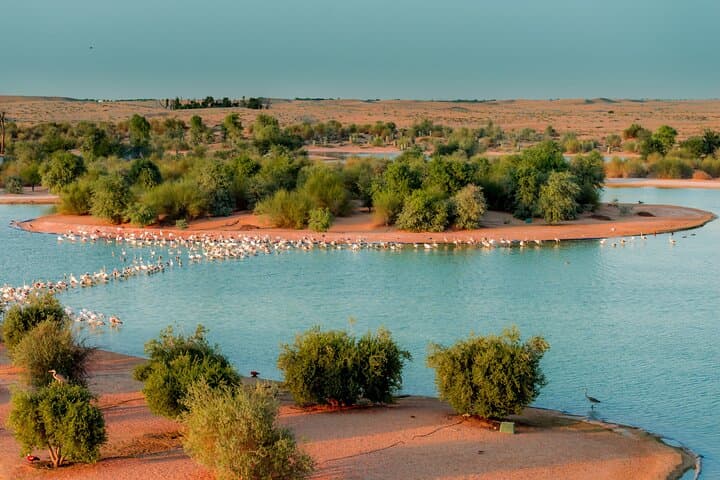
Geology here is recent—wind‑sculpted dunes, engineered lakes and reclaimed wetlands sit on Pleistocene sands. Al Qudra's man‑made lakes and Love Lake are modern interventions designed for ecology and recreation; nearby Al Marmoom preserves a traditional oasis system that once supported nomadic grazing and small‑scale agriculture. The mix of engineered water and wild desert makes the area a hotspot for bird migration and nocturnal wildlife.
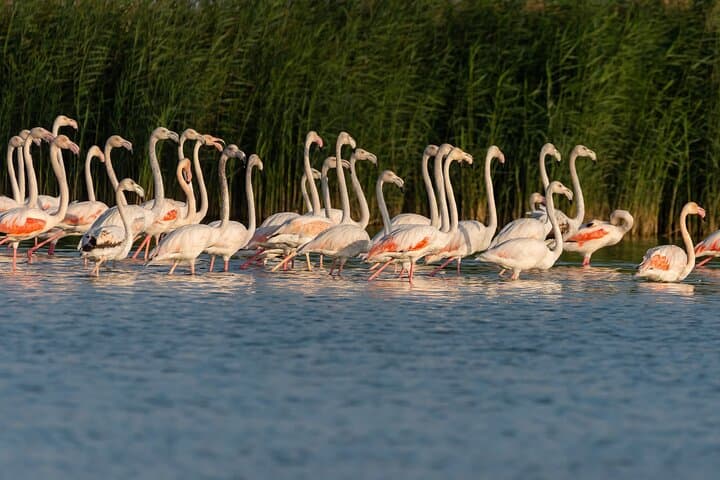
Expect easy-paced wildlife spotting—greater flamingos and Egyptian geese on the shallows, and the occasional oryx or desert fox at dusk. A short camel ride gives a tactile sense of old routes, while an evening camp serves Emirati dishes accompanied by Bedouin music and a telescope for stargazing when the desert curtain drops.
Practical guidance: dress for heat by day and a sharp temperature drop at night; bring sun protection and refillable water. Photography is rewarding—bring a zoom lens for birds and low-light gear for campfire scenes. Respect posted conservation zones, keep noise low for wildlife, and follow guides during camel rides. The experience is accessible for most travelers, offering a compact introduction to Dubai’s desert ecology, culture and night sky.
easy.
5–6 hours.
Suitable for most fitness levels; involves short walks on sand and a camel ride.
Most bookings include pickup from central Dubai locations—confirm your pickup point when booking.
Yes—camel rides are generally suitable for children, but check age or weight limits with the operator and supervise young riders.
Traditional Emirati dinners often include meat and vegetable dishes; operators typically accommodate dietary requests if informed in advance.
Desert skies are darker than the city and ideal for stargazing; visibility depends on cloud cover and light from nearby developments.
Al Marmoom maintains an oasis landscape long used by Bedouin communities for grazing and date cultivation; Al Qudra and Love Lake are recent, planned recreational and ecological projects in Dubai’s desert expansion.
The lakes and oasis are managed for ecotourism and migration habitat; visitors should minimize water use, avoid disturbing birds, and follow guide instructions to protect fragile desert flora and fauna.
OceanAir Travels operates guided outdoor trips and adventures with an emphasis on safety, stewardship, and memorable experiences.
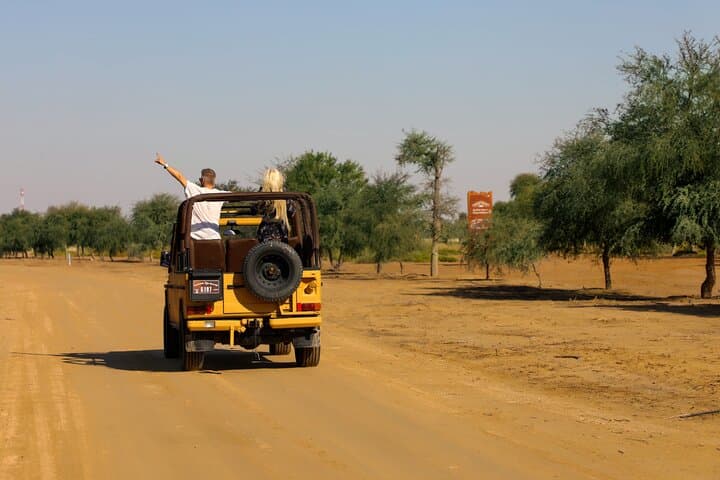
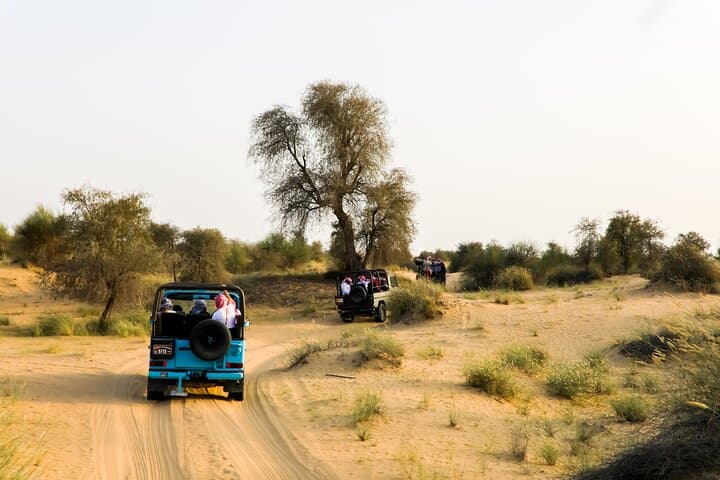
The day opens with a low sun turning the sand to slow gold as a vintage G‑class hums away from the city toward the quiet of Al Qudra and the Al Marmoom Oasis. Riders slide into leather seats, leaving glass-and-steel Dubai behind; within an hour, water mirrors and scrubland replace skyscrapers and the air sharpens with the scent of salt and dry earth.
The day opens with a low sun turning the sand to slow gold as a vintage G‑class hums away from the city toward the quiet of Al Qudra and the Al Marmoom Oasis. Riders slide into leather seats, leaving glass-and-steel Dubai behind; within an hour, water mirrors and scrubland replace skyscrapers and the air sharpens with the scent of salt and dry earth.
Geology here is recent—wind‑sculpted dunes, engineered lakes and reclaimed wetlands sit on Pleistocene sands. Al Qudra's man‑made lakes and Love Lake are modern interventions designed for ecology and recreation; nearby Al Marmoom preserves a traditional oasis system that once supported nomadic grazing and small‑scale agriculture. The mix of engineered water and wild desert makes the area a hotspot for bird migration and nocturnal wildlife.
Expect easy-paced wildlife spotting—greater flamingos and Egyptian geese on the shallows, and the occasional oryx or desert fox at dusk. A short camel ride gives a tactile sense of old routes, while an evening camp serves Emirati dishes accompanied by Bedouin music and a telescope for stargazing when the desert curtain drops.
Practical guidance: dress for heat by day and a sharp temperature drop at night; bring sun protection and refillable water. Photography is rewarding—bring a zoom lens for birds and low-light gear for campfire scenes. Respect posted conservation zones, keep noise low for wildlife, and follow guides during camel rides. The experience is accessible for most travelers, offering a compact introduction to Dubai’s desert ecology, culture and night sky.