THE ADVENTURE COLLECTIVE® · Independent discovery and booking for outdoor travel

Slide down towering red dunes, ride a camel as the sun sinks, then settle into a Bedouin-style camp for henna, falconry and a barbecue under open sky. This six-hour safari blends adrenaline with cultural performances and practical logistics like hotel pickup.
Slide down towering red dunes, ride a camel as the sun sinks, then settle into a Bedouin-style camp for henna, falconry and a barbecue under open sky. This six-hour safari blends adrenaline with cultural performances and practical logistics like hotel pickup.
A late-afternoon sun slants across rippled sand as the 4x4 eases onto a crest and the dune seems to dare you to hold on.
Verified experiences and guided adventures in the surrounding area.
Operated by Ahmed Habibi · Dubai, Dubai
A late-afternoon sun slants across rippled sand as the 4x4 eases onto a crest and the dune seems to dare you to hold on.
This evening safari moves from the high-energy physics of dune bashing to the slow, ritual pace of a Bedouin-style camp. The landscape here is recent geologic work: wind-sculpted sands over hardened flats, the eastern edge of Dubai’s red dunes shaped by seasonal winds that push and pile grains into long curving ridges.
Culturally, the camp components borrow from Emirati traditions—camel handling, falconry displays and henna—stitched together with modern spectacle like Tanoura and belly dance for visitor-facing storytelling rather than strict historic reenactment.
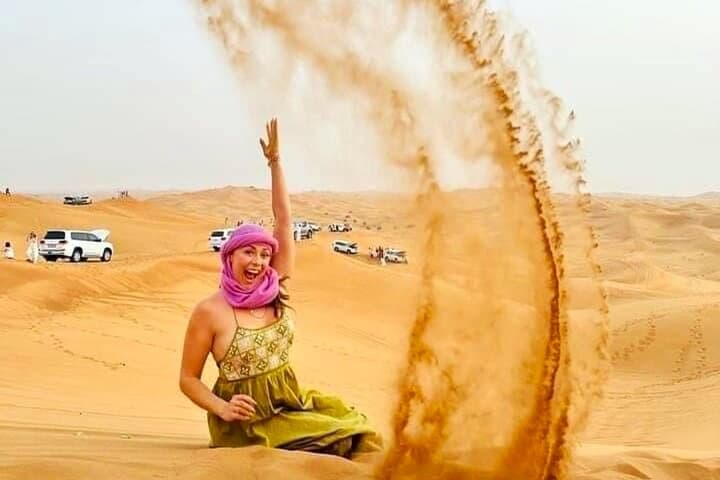
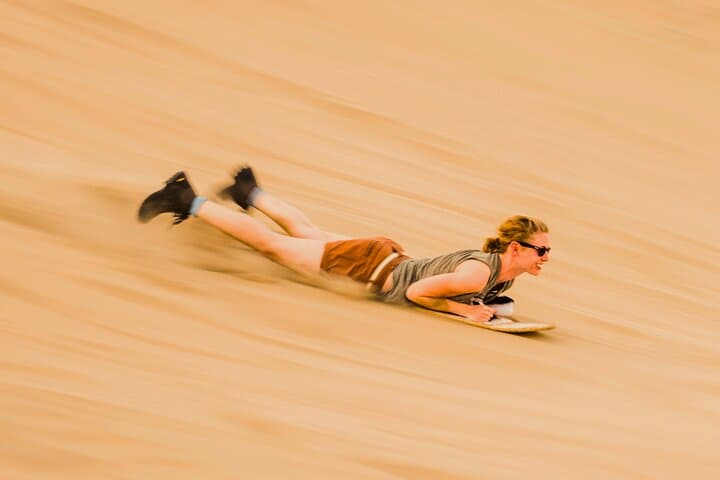
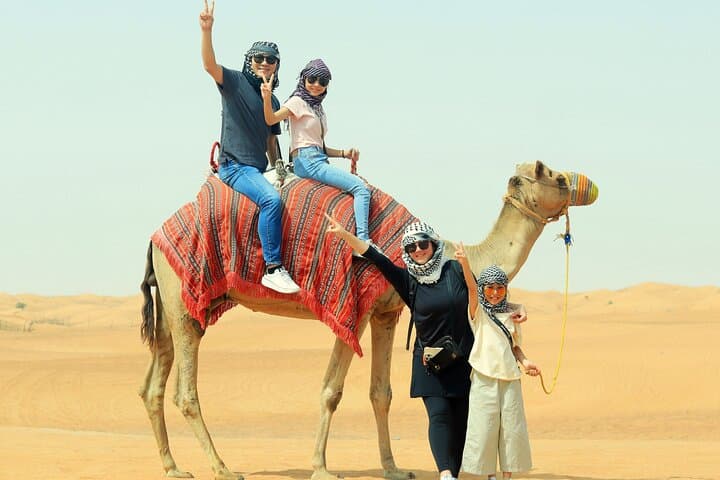
Expect twilight photo stops where the sand reddens, easy sandboarding on gentler faces, and repeat camel rides at a measured pace. The evening’s BBQ buffet runs vegetarian-friendly options alongside grilled meats, and soft drinks are typically unlimited.
Practically: the program lasts about six hours with hotel pickup and drop-off by 4x4; guides are licensed and routes stick to permitted stretches to protect dune ecology. Physical demands are moderate—standing for shows, climbing short sand slopes and transferring in and out of vehicles—so bring sunscreen and sturdy, closed-toe shoes. If you’re prone to motion discomfort, book a private vehicle or request a slow-track option to skip aggressive dune runs.
Timing an early-winter or spring visit gives cooler evenings and clearer skies; summer bookings run late to avoid daytime heat. Respect local customs at the camp, tip performers discretely, and follow guides’ instructions to leave the desert as you found it.
moderate.
6 hours.
Moderate fitness—able to climb short sand slopes, stand for performances, and transfer in/out of 4x4 vehicles.
Yes—most bookings include round-trip pickup and drop-off from Dubai-area hotels; confirm your pickup point at booking.
Yes—many operators offer a slow-track or the option to remain at the camp if you prefer to skip aggressive dune driving.
Camel rides are typically offered at the camp and can usually be repeated depending on timing and tour flow—check with your guide on-site.
Vegetarian options are usually available at the buffet; notify the operator ahead of time for special dietary needs or allergies.
The desert around Dubai supported nomadic Bedouin communities for centuries; camels and falconry were central to transport, trade and survival before oil-era urbanization.
Tours operating in protected areas follow designated tracks to limit erosion and habitat disturbance—respect vehicle boundaries and avoid littering to protect fragile dune flora and fauna.
Ahmed Habibi operates guided outdoor trips and adventures with an emphasis on safety, stewardship, and memorable experiences.
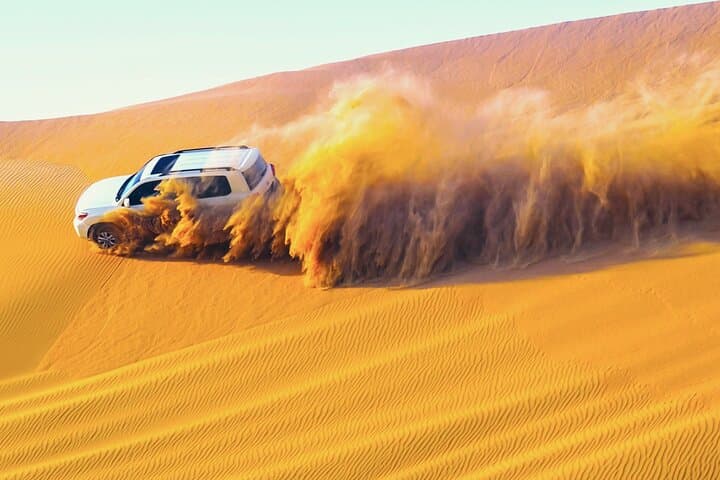
A late-afternoon sun slants across rippled sand as the 4x4 eases onto a crest and the dune seems to dare you to hold on.
A late-afternoon sun slants across rippled sand as the 4x4 eases onto a crest and the dune seems to dare you to hold on.
This evening safari moves from the high-energy physics of dune bashing to the slow, ritual pace of a Bedouin-style camp. The landscape here is recent geologic work: wind-sculpted sands over hardened flats, the eastern edge of Dubai’s red dunes shaped by seasonal winds that push and pile grains into long curving ridges.
Culturally, the camp components borrow from Emirati traditions—camel handling, falconry displays and henna—stitched together with modern spectacle like Tanoura and belly dance for visitor-facing storytelling rather than strict historic reenactment.
Expect twilight photo stops where the sand reddens, easy sandboarding on gentler faces, and repeat camel rides at a measured pace. The evening’s BBQ buffet runs vegetarian-friendly options alongside grilled meats, and soft drinks are typically unlimited.
Practically: the program lasts about six hours with hotel pickup and drop-off by 4x4; guides are licensed and routes stick to permitted stretches to protect dune ecology. Physical demands are moderate—standing for shows, climbing short sand slopes and transferring in and out of vehicles—so bring sunscreen and sturdy, closed-toe shoes. If you’re prone to motion discomfort, book a private vehicle or request a slow-track option to skip aggressive dune runs.
Timing an early-winter or spring visit gives cooler evenings and clearer skies; summer bookings run late to avoid daytime heat. Respect local customs at the camp, tip performers discretely, and follow guides’ instructions to leave the desert as you found it.