THE ADVENTURE COLLECTIVE® · Independent discovery and booking for outdoor travel

See Nile crocodiles up close in Dubai’s dedicated crocodilian sanctuary—an hour-long visit that mixes aquarium viewing, a natural history museum, and scheduled feeding sessions. Practical tips and what to expect for families and wildlife enthusiasts.
See Nile crocodiles up close in Dubai’s dedicated crocodilian sanctuary—an hour-long visit that mixes aquarium viewing, a natural history museum, and scheduled feeding sessions. Practical tips and what to expect for families and wildlife enthusiasts.
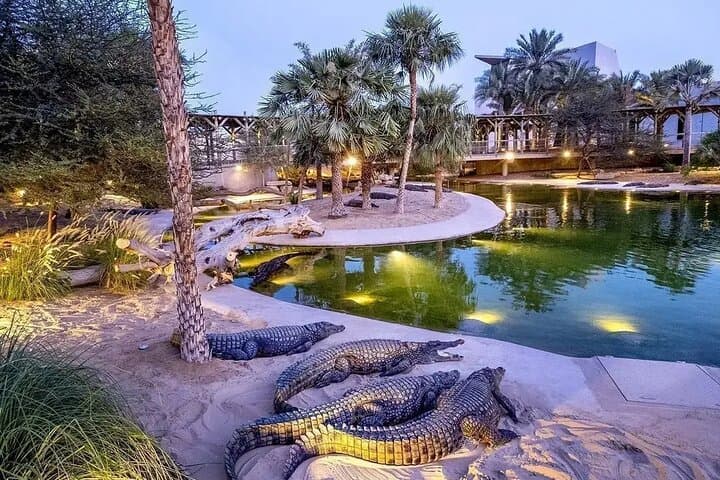
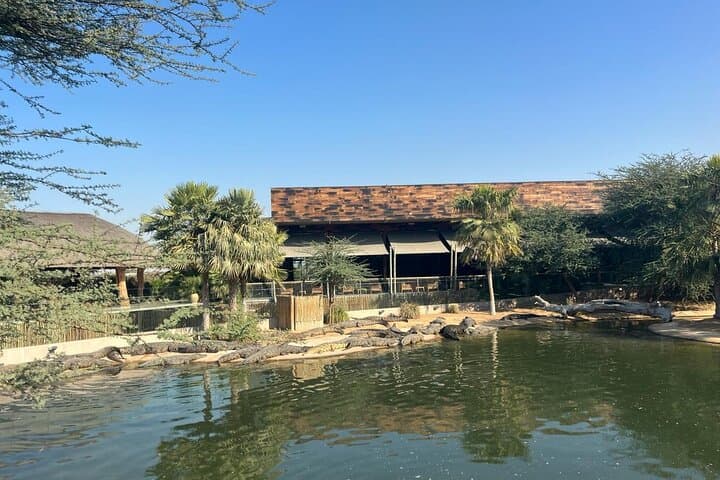
The first view is unmistakable: a shallow lagoon glinting under Dubai sun, rockwork and waterfalls framing a hulking silhouette slipping into the water. At Dubai Crocodile Park the crocodiles own these basins—massive Nile individuals that move with patient purpose, tails pushing water as if to test a visitor’s nerve.
Verified experiences and guided adventures in the surrounding area.
Operated by ORIENT TOURS LLC SOLE PROPRIETORSHIP · Dubai, Dubai
The first view is unmistakable: a shallow lagoon glinting under Dubai sun, rockwork and waterfalls framing a hulking silhouette slipping into the water. At Dubai Crocodile Park the crocodiles own these basins—massive Nile individuals that move with patient purpose, tails pushing water as if to test a visitor’s nerve.
The facility recreates African wetlands across roughly 20,000 square meters, pairing an exhibition of over 250 crocodiles with a natural history museum and an aquarium that brings amphibious behavior eye-level. Crocodilians are survivors — a line stretching back more than 200 million years — and the museum crystallizes that deep-time story with fossils and displays that explain why these reptiles persist where others did not.
Culturally, the park is part of Dubai’s broader strategy to diversify attractions beyond glass and sand: it blends spectacle with education, staging feeding sessions and guided viewing windows to demystify a predator often reduced to headlines.
Practicalities are clear: visits typically last about an hour (the standard admission window), the park is open daily from 10:00–20:00, and staff-run demonstrations are scheduled throughout the day. Expect flat walking paths and raised viewing platforms rather than rugged terrain—comfortable shoes and sun protection matter more than technical gear. Bring a camera with a modest zoom and an eye for behavior: crocodiles are slow to act but revealing in posture, and the aquarium viewing panels reveal a different, quieter side of the wetlands. Keep a respectful distance, follow staff directions during feedings, and use the interpretive displays to turn curiosity into informed appreciation of these ancient reptiles.
easy.
1 hour.
Suitable for all fitness levels; mostly flat walking and short distances between exhibits
Round-trip hotel transfer is available only if selected at booking; pickups are offered from specific Dubai neighborhoods and run about one hour before your scheduled park time.
The site provides flat paths and accessible viewing areas, but check ahead for specifics and notify the operator if you require assistance.
No — feeding and handling are conducted only by trained staff during scheduled demonstrations to ensure safety and animal welfare.
Bring the confirmation voucher provided after booking and a valid ID or passport; the park requires the official voucher at entry.
Crocodilians predate many modern ecosystems—exhibits at the park highlight a lineage stretching back over 200 million years and link those survival traits to present-day species.
The park emphasizes captive care, breeding and public education; visitors are encouraged to learn how habitat loss and pollution affect wild crocodile populations.
ORIENT TOURS LLC SOLE PROPRIETORSHIP operates guided outdoor trips and adventures with an emphasis on safety, stewardship, and memorable experiences.
The first view is unmistakable: a shallow lagoon glinting under Dubai sun, rockwork and waterfalls framing a hulking silhouette slipping into the water. At Dubai Crocodile Park the crocodiles own these basins—massive Nile individuals that move with patient purpose, tails pushing water as if to test a visitor’s nerve.
The first view is unmistakable: a shallow lagoon glinting under Dubai sun, rockwork and waterfalls framing a hulking silhouette slipping into the water. At Dubai Crocodile Park the crocodiles own these basins—massive Nile individuals that move with patient purpose, tails pushing water as if to test a visitor’s nerve.
The facility recreates African wetlands across roughly 20,000 square meters, pairing an exhibition of over 250 crocodiles with a natural history museum and an aquarium that brings amphibious behavior eye-level. Crocodilians are survivors — a line stretching back more than 200 million years — and the museum crystallizes that deep-time story with fossils and displays that explain why these reptiles persist where others did not.
Culturally, the park is part of Dubai’s broader strategy to diversify attractions beyond glass and sand: it blends spectacle with education, staging feeding sessions and guided viewing windows to demystify a predator often reduced to headlines.
Practicalities are clear: visits typically last about an hour (the standard admission window), the park is open daily from 10:00–20:00, and staff-run demonstrations are scheduled throughout the day. Expect flat walking paths and raised viewing platforms rather than rugged terrain—comfortable shoes and sun protection matter more than technical gear. Bring a camera with a modest zoom and an eye for behavior: crocodiles are slow to act but revealing in posture, and the aquarium viewing panels reveal a different, quieter side of the wetlands. Keep a respectful distance, follow staff directions during feedings, and use the interpretive displays to turn curiosity into informed appreciation of these ancient reptiles.