THE ADVENTURE COLLECTIVE® · Independent discovery and booking for outdoor travel

Step onto the shaded walkways of Dubai Crocodile Park to see Nile crocodiles, feeding demonstrations and a crocodile nursery. This practical guide covers what to expect, timing, accessibility and how to prepare for a family-friendly wildlife experience in Mushrif.
Step onto the shaded walkways of Dubai Crocodile Park to see Nile crocodiles, feeding demonstrations and a crocodile nursery. This practical guide covers what to expect, timing, accessibility and how to prepare for a family-friendly wildlife experience in Mushrif.
The late-morning sun filters through date palms as you approach the broad lagoon at Dubai Crocodile Park in Mushrif, where slow-moving water keeps a watchful calm and hundreds of scaly profiles break the surface in practiced stillness.
Verified experiences and guided adventures in the surrounding area.
Operated by PARMAR TOURISM LLC · Dubai, Dubai
The late-morning sun filters through date palms as you approach the broad lagoon at Dubai Crocodile Park in Mushrif, where slow-moving water keeps a watchful calm and hundreds of scaly profiles break the surface in practiced stillness.
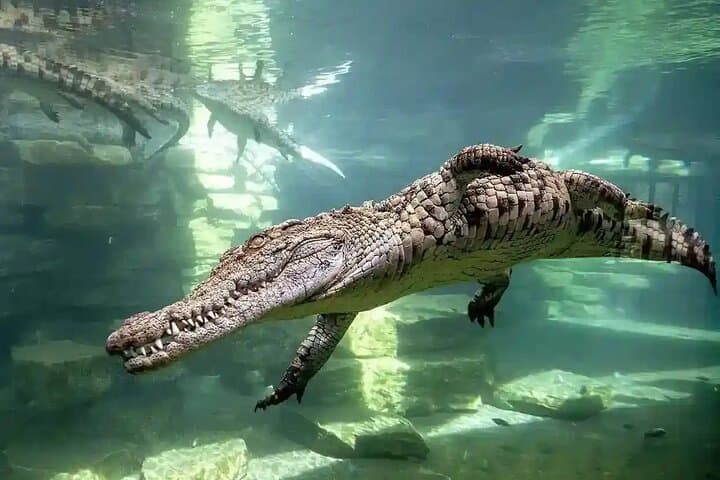
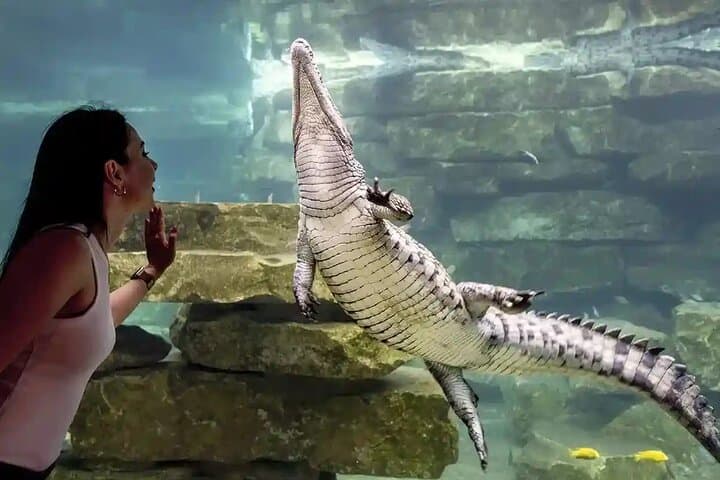
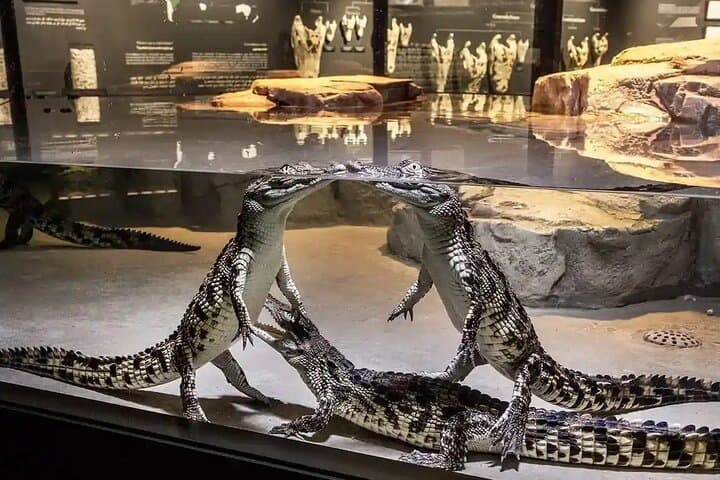
The park arranges specimens from different continents—Nile crocodiles and American alligators feature prominently—framed by landscaped paths, shaded viewing platforms and a small museum that traces the animals’ natural history. Crocodiles have carried cultural weight across North Africa and the Middle East for millennia; here the emphasis is both spectacle and education, with a nursery area, live feeding demonstrations and interpretive exhibits that explain anatomy, behavior and conservation concerns.
Geologically, the setting is urban Dubai rather than wild wetlands, but the lagoon and planted margins do create microhabitats that attract local birds and recreate aspects of river-edge ecology. Culturally, the park pairs African-themed dining and a craft shop to give a focused visitor experience rather than a broad zoo.
Practical guidance: plan 90–120 minutes to see the key areas and a feeding show—check times on arrival. Wear sun protection and comfortable shoes for paved paths; accessible routes are provided and the facility accommodates strollers and wheelchairs. Tickets are mobile-friendly and non-refundable, so pick your slot carefully. Photography is allowed from public viewing areas; for hands-on encounters (baby croc handling) follow staff instructions and current health/safety rules.
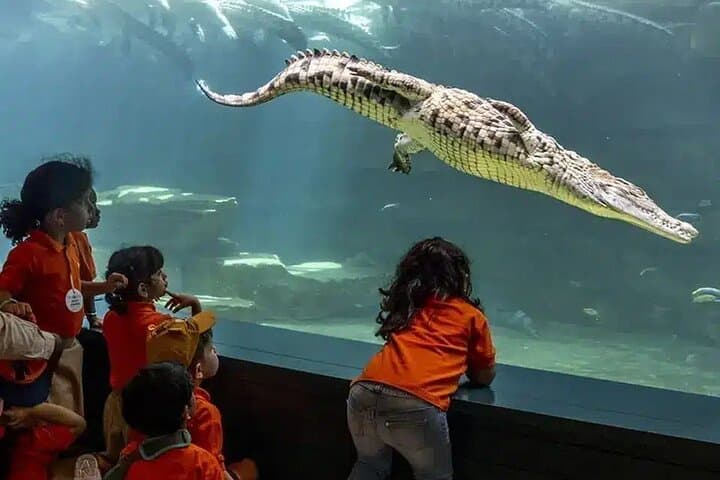
This visit suits families and curious travelers who want a close, managed view of large reptiles without venturing into remote habitat.
easy.
1.5–2 hours.
Suitable for all fitness levels; involves mostly standing and short walks on paved paths
The park is open daily; typical hours are 10:00 AM to 8:00 PM—confirm current hours before visiting.
Close encounters with baby crocodiles are offered under staff supervision during specific sessions—follow hygiene and safety rules provided by handlers.
No—tickets are sold as all sales final, so check your date and time before purchase; mobile tickets are accepted.
Yes—paths and key viewing areas are wheelchair and stroller accessible; staff can assist with information on accessible routes.
Crocodiles have been significant across North African and Nile cultures for millennia; the park pairs live specimens with museum exhibits to explain that relationship and modern conservation.
The park emphasizes education and captive breeding programs; visitors are encouraged to stay on paths, not feed wildlife, and dispose of waste properly to reduce local impacts.
PARMAR TOURISM LLC operates guided outdoor trips and adventures with an emphasis on safety, stewardship, and memorable experiences.
The late-morning sun filters through date palms as you approach the broad lagoon at Dubai Crocodile Park in Mushrif, where slow-moving water keeps a watchful calm and hundreds of scaly profiles break the surface in practiced stillness.
The late-morning sun filters through date palms as you approach the broad lagoon at Dubai Crocodile Park in Mushrif, where slow-moving water keeps a watchful calm and hundreds of scaly profiles break the surface in practiced stillness.
The park arranges specimens from different continents—Nile crocodiles and American alligators feature prominently—framed by landscaped paths, shaded viewing platforms and a small museum that traces the animals’ natural history. Crocodiles have carried cultural weight across North Africa and the Middle East for millennia; here the emphasis is both spectacle and education, with a nursery area, live feeding demonstrations and interpretive exhibits that explain anatomy, behavior and conservation concerns.
Geologically, the setting is urban Dubai rather than wild wetlands, but the lagoon and planted margins do create microhabitats that attract local birds and recreate aspects of river-edge ecology. Culturally, the park pairs African-themed dining and a craft shop to give a focused visitor experience rather than a broad zoo.
Practical guidance: plan 90–120 minutes to see the key areas and a feeding show—check times on arrival. Wear sun protection and comfortable shoes for paved paths; accessible routes are provided and the facility accommodates strollers and wheelchairs. Tickets are mobile-friendly and non-refundable, so pick your slot carefully. Photography is allowed from public viewing areas; for hands-on encounters (baby croc handling) follow staff instructions and current health/safety rules.
This visit suits families and curious travelers who want a close, managed view of large reptiles without venturing into remote habitat.